

If your truck toolbox has become a black hole where wrenches disappear and chains tangle into impossible knots, you are not alone. Most truck bed toolboxes ship as little more than a secure metal container with zero internal organization. Tools sink to the bottom, small parts vanish into corners, and you spend more time digging than working. The right truck bed tool storage ideas can turn that frustration into a smooth, accessible system built around your specific tools and jobs.
This guide covers practical, field-tested solutions drawn from decades of real user experience. From DIY sliding trays to milk crate chain storage and clever lid hangers, you will find actionable upgrades that fit any budget and skill level. Let us dig into the smartest ways to organize your truck bed toolbox.
Build a Sliding Tray System That Actually Works
A sliding tray is one of the most effective upgrades for a bare toolbox. It lifts small tools off the floor and frees up space underneath for bulky items like tarps, binders, or extension cords. The challenge is getting the dimensions right and keeping the tray functional on rough roads.
Use Angle Iron Instead of a Single Plywood Sheet
Many truck toolboxes have a top lip that prevents fitting a wide enough plywood board inside. Cutting the board narrower reduces its support on the lip, causing it to bind or wobble. The fix is simpler than it sounds.
Use angle iron as a support rail:
– Cut two lengths of angle iron to match the inner length of your toolbox
– Lay them flat-side down on the top lip of the box
– Place your plywood tray on top so the iron acts as a stable track
– The tray glides smoothly without binding on tight corners
Angle iron resists wear and will not warp like wood. This approach bypasses precise width cuts entirely and adds long-term durability.
Add a Broom Handle Hook for Easy Retrieval
Even a perfect sliding tray fails if it sits on the far side when you need it. Reaching across a full toolbox wastes time and energy. A simple hook solves this problem permanently.
Install a hook inside the lid and clip a broom handle or PVC pipe into it. Use the pole to grab the tray and pull it toward you. The same pole doubles as a reach tool for extension cords, heavy bags, or items buried in the back.
Secure the Tray with Raised Bolts and Rubber Straps
Unsecured trays shift on bumpy roads or slide out when you open a gull-wing lid. Prevent this with two small modifications:
– Drill into the channel where the tray rides and insert raised bolts as stops or guides
– Add a short rubber strap to anchor the tray when the lid is closed
The strap stretches when you pull the tray forward but holds it steady during transit. This combination keeps everything centered and prevents over-extension.
Install the Tray in the Middle for Maximum Flexibility
Instead of placing the tray at the top or bottom, consider a mid-box installation:
– Store large items like tarps or ladders below
– Keep small, frequently used tools on the tray itself
– Attach a bent strap hinge with mounting bolts for smooth operation
– Add plastic sliders cut from old cutting boards to reduce friction
This setup gives you two storage zones in one toolbox and adapts easily as your job requirements change.
Organize with Modular Containers for Quick Access
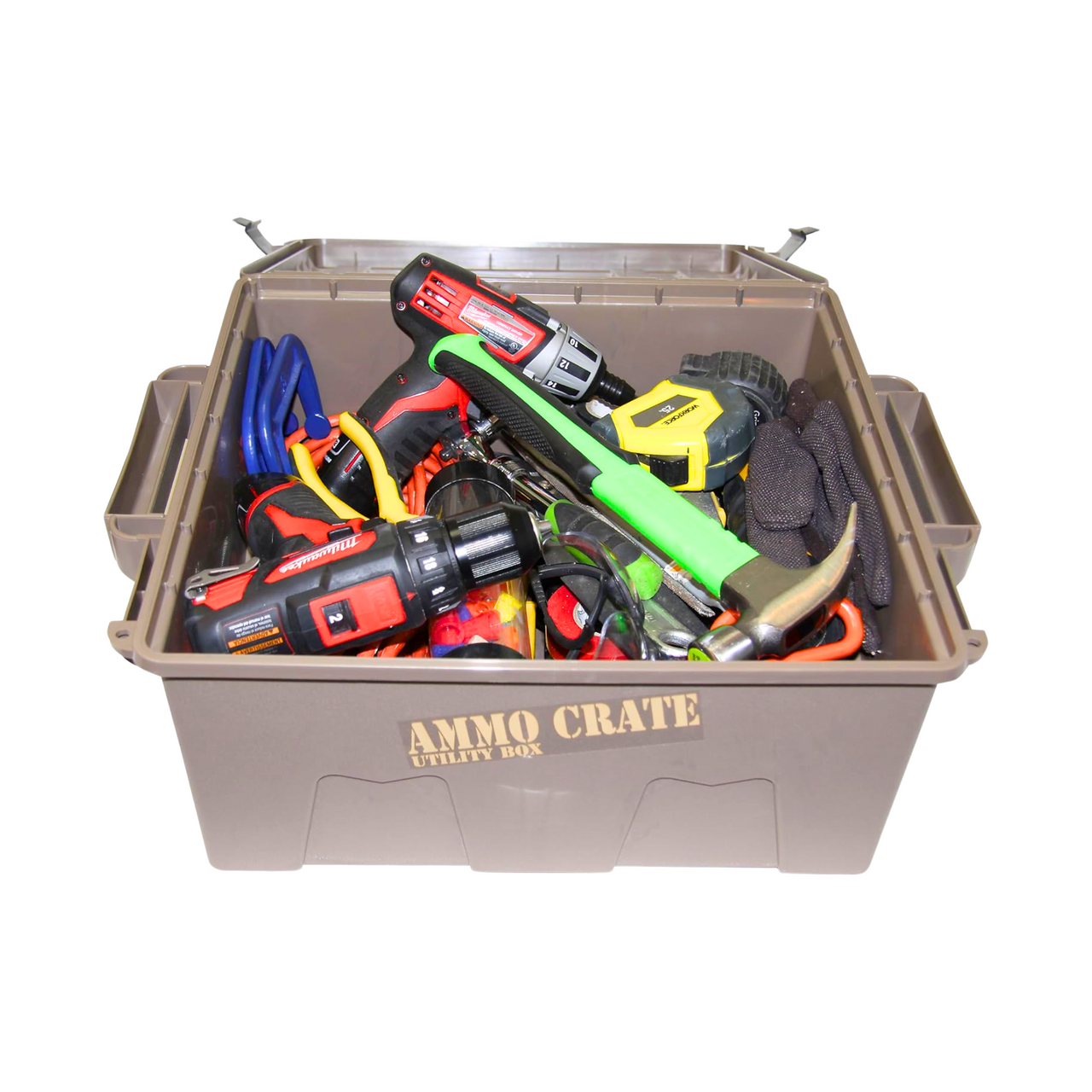
Even the best sliding tray cannot stop loose tools from scattering. Containment is the next layer of smart truck bed tool storage ideas. Modular containers fit neatly inside your toolbox and keep everything sorted by category or job.
Use Zipper Tool Bags for Small Parts
Zipper bags are a low-cost, high-impact storage solution. Store sockets, drill bits, electrical connectors, or hardware in labeled bags. Clear bags add visibility so you can find what you need without opening every pouch. One long-time user reports keeping small items in zipper tool bags for years without losing a single piece.
Store Chains in Milk Crates
Forget plastic jugs that hold barely one chain length. Milk crates are the gold standard for chain storage in a truck toolbox. They fit perfectly in most truck boxes, hold more length than round containers, and let you hang binder hooks on the edges for quick access. Chains also dry and air out properly in an open crate.
Stack two milk crates if you carry multiple chain sizes. Place tote bins on top for gloves, latches, or smaller hardware. One user has sworn by this method for decades.
Label Ammo Boxes for Instant Identification
Plastic ammo boxes are rugged, stackable, and built for rough conditions. Use a paint marker to label each box by category:
– Electrical
– Plumbing
– Fasteners
– Specialty tools
Stack them vertically to save floor space and grab the whole box instead of digging for one item. The secure latch keeps contents dry and will not pop open on rough roads.
Try a USPS Plastic Mail Box for Upright Storage
A plastic USPS mail carrier box fits snugly in most toolboxes and holds straps, spray bottles, and brushes upright. This prevents leaks onto other tools and keeps cleaning supplies organized in one caddy. The remaining toolbox space stays open for long tools, extension cords, or tarps.
Maximize Lid and Vertical Space
Most truck owners ignore the inside of the toolbox lid. That is prime real estate for long-handled tools and frequently used gear.
Install Lid Hangers with Rivet Nuts
Add rivet nuts to the interior of the lid and screw in heavy-duty hooks. Hang brooms, rakes, or shovels where you can grab them without opening the main compartment. This keeps long-handled gear off the floor and prevents damage to smaller tools stored below.
Hang Totes or Sacks from the Lid
Use S-hooks on the rivet nuts to hang soft-sided storage options:
– Crown Royal sacks for delicate items like meters or gauges
– Mesh bags for gloves or rags
– Small tool rolls for specialty gear
The soft fabric protects sensitive equipment from dings and scratches. Drawstring closures keep everything secure during transport.
Keep It Simple: Skip the Tray Entirely
Not every solution needs to be complex. Some users deliberately avoid sliding trays, and for good reason. Trays eat up vertical space needed for tall items, cannot handle bulky loads like binders or cords, and become limiting as tool collections grow.
Instead, go modular and flexible:
– Use milk crates, tubs, and zipper bags
– Rearrange weekly based on job needs
– Avoid hardware that can break or jam
One user sums it up perfectly: accept that it is a big box and use organizational containers instead of built-in systems. Flexibility beats rigidity when your workload changes daily.
Combine Your Toolbox with a Bed Cover

Thinking about switching from a toolbox to a bed cover? You do not have to choose. Many truck owners run both systems successfully.
Use Both Systems Together
Keep the toolbox mounted behind the cab and install a tonneau cover over the rest of the bed. Store large, weather-sensitive items under the cover and daily tools in the toolbox. This combination offers security from the locked toolbox, weather protection from the cover, and easy access to frequently used gear.
Before buying, measure clearance to ensure the cover does not interfere with the toolbox lid opening. A few minutes of planning prevents costly fitment issues.
Final Storage Tips and Maintenance Habits
Even the best system needs regular upkeep. These habits keep your truck bed storage working smoothly month after month.
Label Everything Clearly
Unlabeled containers waste time. Spend ten minutes labeling your storage with paint markers, duct tape, or color-coded zipper bags. The investment pays off every time you reach for a tool.
Prevent Sliding During Transit
Bins shift and tools bounce on rough roads. Fix this with bungee cords across the box, rubber straps anchored to tie-down points, or non-slip matting on the floor. A little tension keeps everything in place.
Clean and Audit Monthly
Dirt, grease, and loose parts pile up fast. Set aside fifteen minutes once a month to empty the box completely, wipe down surfaces, reorganize containers, and toss broken or unused items. A clean system stays functional.
Upgrade Sticking Trays with Plastic Sliders
If your tray sticks or binds, add plastic sliders to the bottom. Cut them from old cutting boards or drawer liners and attach with screws or adhesive. The low-friction surface eliminates forcing the tray open.
Frequently Asked Questions About Truck Bed Tool Storage
What is the best way to store chains in a truck toolbox?
Milk crates are widely considered the best chain storage solution for truck toolboxes. They hold more chain length than plastic jugs, allow hooks to hang on the edges for quick access, and provide ventilation so damp chains can dry out. Stack two crates for multiple chain sizes and place tote bins on top for smaller items.
How do you keep tools from sliding around in a truck bed toolbox?
Use a combination of bungee cords, rubber straps anchored to tie-down points, and non-slip matting on the toolbox floor. For sliding trays specifically, install raised bolts in the channels as stops and add rubber straps to anchor the tray when the lid is closed.
Are sliding trays worth installing in a truck toolbox?
Sliding trays are worth it if you store many small tools that get lost under larger items. They create two storage zones and improve access significantly. However, if you carry mostly bulky items like chains, binders, or tarps, a modular container system may work better without sacrificing vertical space.
What containers work best for small parts in a truck toolbox?
Zipper tool bags, plastic ammo boxes, and Crown Royal sacks are all excellent for small parts. Zipper bags offer low cost and visibility, ammo boxes provide rugged durability and stackability, and Crown Royal sacks protect delicate items from scratches. Label everything with a paint marker for quick identification.
Can you use a bed cover and toolbox at the same time?
Yes, many truck owners run both systems together. Mount the toolbox behind the cab and install a tonneau cover over the remaining bed space. Just measure clearance before purchasing to ensure the cover does not interfere with the toolbox lid opening.
Key Takeaways for Better Truck Bed Tool Storage
The smartest truck bed tool storage ideas come down to three core principles: build access into your system, contain loose items with modular containers, and use every inch of available space including the lid. Start with one upgrade that solves your biggest frustration, whether that is a sliding tray for small tools or milk crates for chain storage. Label everything, secure it for transit, and audit your setup monthly to keep it functional.
Pick one solution from this guide and implement it this weekend. Once you see how much time you save on the next job, you will be motivated to layer in the next upgrade.