You pull out of the hardware store with a stack of 2x4s or a few sheets of plywood, and every bump in the road makes the load shift. One hard brake or sharp turn could send boards sliding off the tailgate and into traffic. Securing lumber properly protects your cargo, your vehicle, and other drivers on the road. Learning how to tie down lumber in a truck bed the right way keeps your materials intact and helps you avoid fines in states with strict load laws.
This guide walks you through the exact equipment, positioning, and strapping techniques needed to haul lumber safely. You’ll learn how to choose reliable straps, anchor them to the right points, and handle long boards or sheet goods without a roof rack. Whether you’re driving across town or across the state, these methods will keep your load locked down from start to finish.
Choose the Right Tie-Down Equipment
Your straps are only as strong as their weakest link. Cheap ropes or worn bungee cords can snap under tension and leave your lumber unsecured.
Use Ratchet Straps with Strong Working Load Limits
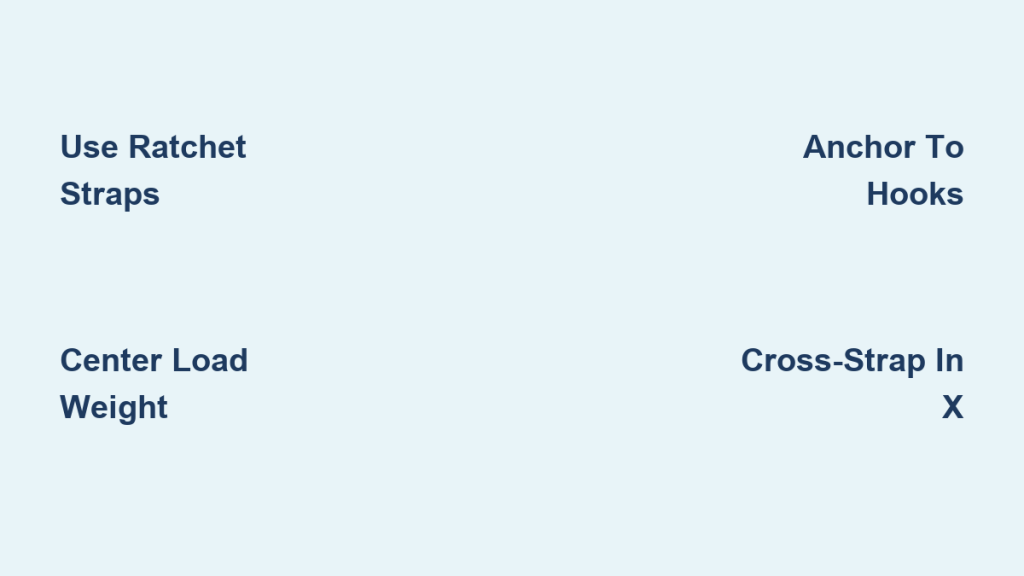
Pick ratchet straps rated for at least 1,500 pounds of breaking strength and 500 pounds of working load limit. These give you the tension needed to hold heavy boards. Look for straps with S-hooks or flat hooks that fit your truck’s anchor points.
Avoid Bungee Cords for Heavy Loads
Bungee cords stretch, lose tension quickly, and can snap without warning. They work for tarps or light gear, but never use them as the main tie-down for lumber. A single failure could cost you your entire load.
Inspect Every Strap Before You Leave
Run your hands along each strap to check for fraying, cuts, or weak stitching. Test the ratchet mechanism and hooks. If anything feels loose or damaged, swap it out. Carry a backup set in your cab for emergencies.
Position Lumber for Maximum Stability

How you stack the lumber matters just as much as how you strap it. A poorly balanced load shifts easier and puts stress on your truck.
Center Weight Over the Rear Axle
Place the heaviest boards directly over or slightly ahead of the rear axle. This keeps the weight balanced and prevents the front end from lifting. Avoid stacking everything behind the tailgate, which adds strain and increases overhang.
Lay Boards Flat and Stack Evenly
Lay lumber flat across the bed rather than standing it on edge. Stack boards of the same length together so the pile stays level. Keep the stack low to lower the center of gravity and reduce tipping risk.
Support Any Overhanging Ends
Long boards that extend past the tailgate need a red flag and proper support. Keep rear overhang under 4 feet and front overhang under 3 feet, depending on your state’s rules. Use a sawhorse, ladder rack, or load extender to keep the ends from bouncing.
Anchor Straps to Secure Points
Your truck bed has specific anchor points designed to handle heavy loads. Using the wrong spots weakens your entire setup.
Use Built-In Tie-Down Hooks
Most trucks come with metal hooks or D-rings along the bed rails. These are the safest attachment points. Loop your straps through them and pull tight before ratcheting.
Add Stake Pocket Anchors if Needed
If your truck lacks built-in hooks, install stake pocket anchors or aftermarket tie-down rails. These slide into the side pockets and create a reliable attachment point for S-hooks or J-hooks.
Cross-Strap in an X Pattern
Run one strap diagonally from the front-left anchor to the rear-right of the load, and another from front-right to rear-left. This X-pattern stops the lumber from sliding side to side during turns or sudden lane changes.
Apply Proper Tightening Technique
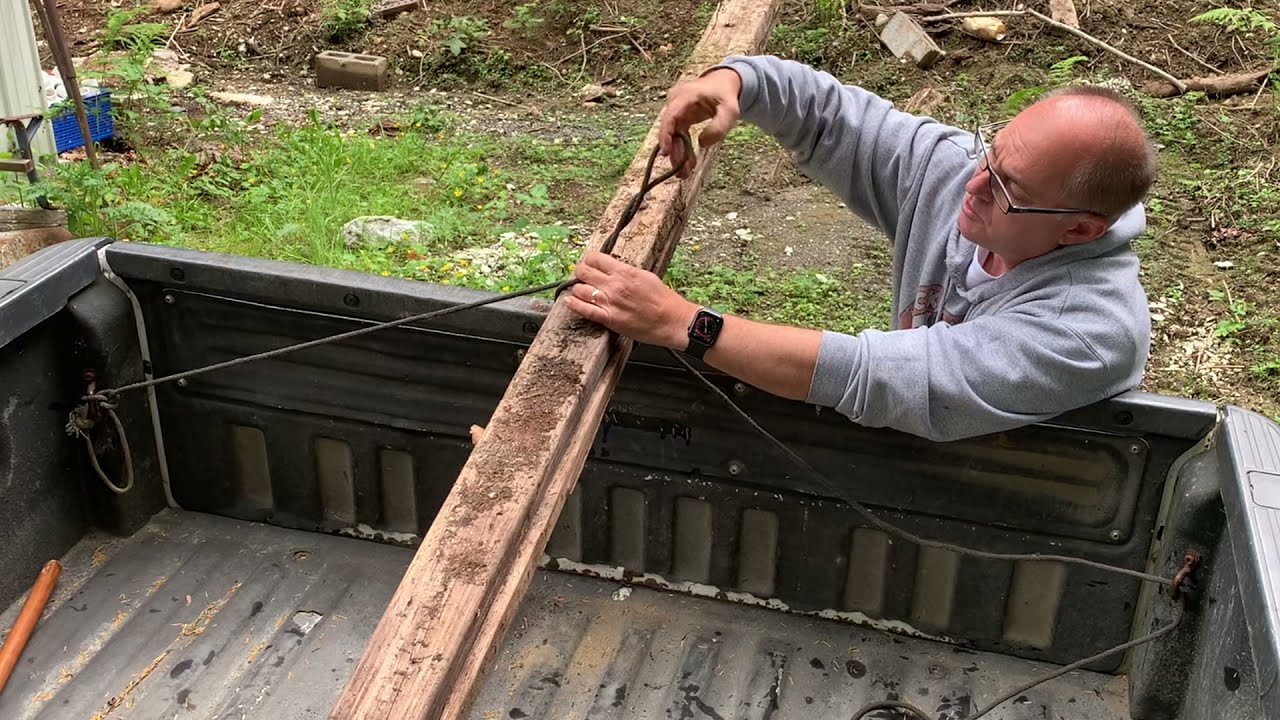
Even strong straps fail if you leave them loose. Tension matters more than the number of straps you use.
Tighten from Front to Back
Start with the strap closest to the cab and ratchet it until snug. Move to the rear strap next, then the side straps. This order keeps the load from sliding forward when you brake.
Press Lumber Firmly Against the Bed
Push down on the lumber stack as you tighten each strap. The boards should sit flat against the truck bed with no gaps. Lift the stack edge and let it drop. If it bounces, add more tension.
Re-Tighten After Driving a Short Distance
Vibration and settling can loosen straps within the first mile. Pull over after five minutes of driving and check every strap. Tighten anything that has slack before continuing your trip.
Handle Plywood and Sheet Goods Differently

Flat sheets catch wind like a sail and need a different approach than dimensional lumber.
Lay Plywood Flat Across the Bed
Stand plywood sheets on edge only if you have a rack to hold them. Laying them flat prevents wind from getting underneath and tearing them loose. Stack sheets evenly with the largest pieces on the bottom.
Use At Least Three Straps Across the Width
Place one strap near the cab, one in the middle, and one near the tailgate. This spacing prevents the sheets from flapping or lifting at the edges. Run each strap over the full width of the stack.
Cover the Stack with a Tarp
A tarp blocks wind and protects the wood from rain or road debris. Bungee the tarp edges to the truck bed sides, but don’t rely on bungees alone. Add a ratchet strap over the tarp for extra hold.
Follow Legal Load Limits and Safety Rules

Breaking load securement laws can result in tickets, fines, or liability if your cargo causes an accident.
Know Your State’s Overhang Rules
Most states limit rear overhang to 4 feet and front overhang to 3 feet. Side overhang usually can’t exceed a few inches without a permit. Look up your local laws before hauling long loads.
Flag or Light Extended Loads
Attach a red flag at least 12 inches square to any load that extends more than 4 feet past the rear bumper. Drive with your lights on at night and add a red marker light if required. These warnings prevent rear-end collisions.
Never Ride in the Truck Bed
No one should sit or stand in the truck bed while the vehicle is moving. A sudden stop can launch passengers forward or throw them from the bed entirely. This rule applies even on short trips.
Troubleshoot Common Securing Problems
Loads shift for many reasons. Knowing how to spot and fix issues keeps your cargo safe on long drives.
Fix Loose Straps Without Unloading
If you hear slapping or see the load shift, pull over at the next safe spot. Re-ratchet the front and rear straps first. If movement continues, add a second strap across the problem area before resuming your trip.
Prevent Warping in Wet Lumber
Green or pressure-treated lumber holds moisture and can warp under tight straps. Place small spacers (like wood offcuts) between layers to allow airflow. Loosen straps slightly if you notice the boards bowing under pressure.
Secure Mixed-Length Loads in Bundles
Group boards by length and strap each bundle separately. Use a longer strap to wrap around the entire group once the bundles are tight. This keeps short boards from sliding out from under longer ones during transit.
Maintain Safety During Unloading
The last step matters as much as the first. Rushing the unload can cause injuries or damage to your materials.
Release Straps in Reverse Order
Loosen the rear straps first, then the side straps, and finally the front strap. This sequence keeps the load from dropping forward as tension releases. Have a helper steady long boards from the opposite end.
Use a Ramp or Helper for Heavy Sheets
Plywood and OSB sheets are awkward to carry alone. Use a loading ramp or have a partner guide the sheets off the bed. Never let a heavy sheet slide off uncontrolled. The momentum can snap the wood or knock you over.
Clear the Drop Zone First
Before releasing any strap, check the ground around the tailgate. Remove tools, debris, and bystanders from the area. Communicate clearly with anyone helping so you unload in sync.
Frequently Asked Questions About Tying Down Lumber in a Truck Bed
What type of strap is best for securing lumber in a truck bed?
Ratchet straps with a working load limit of at least 500 pounds are the best choice. They provide strong, adjustable tension and lock in place. Avoid bungee cords or thin rope as your main tie-down because they stretch and break under heavy loads.
How many tie-down points do I need for a full load of lumber?
Use at least two straps for short loads and three or more for long or heavy stacks. Place one strap near the front of the bed, one in the middle, and one near the tailgate. Add side straps in an X pattern to prevent lateral shifting.
Can I haul lumber with the tailgate down?
Hauling with the tailgate down is risky because boards can slide out during sudden stops. Close the tailgate and use it as a backstop, or strap a horizontal board across the bed as a header. This creates a barrier that keeps lumber from sliding off the rear.
How do I secure lumber that is longer than my truck bed?
Support overhanging ends with a red flag and keep rear overhang under the legal limit for your state. Use a ladder rack, sawhorse, or load extender to keep long boards from bouncing. Add a strap directly over the midpoint of the overhang to reduce flex.
Is it legal to drive with lumber hanging out of the truck bed?
Laws vary by state, but most allow a few feet of overhang with a red flag. Loads that extend too far past the bumper or sides may require a permit. Check your state’s vehicle code before hauling long lumber on public roads.
Key Takeaways for Safe Lumber Hauling
Securing lumber in a truck bed comes down to three essentials: strong ratchet straps, balanced positioning, and proper anchoring. Always center the load over your rear axle, lay boards flat, and tighten straps from front to back. Use an X-pattern strap setup to stop shifting during turns, and re-tighten after your first few miles of driving. For plywood and sheet goods, lay them flat, use at least three straps, and cover them with a tarp to block wind.
Before you pull out of the driveway, walk around your truck and tug on each strap. Check your overhang flags and confirm your load height is legal for local roads. With the right setup, you can haul lumber safely on any trip, no matter the distance.