You’re driving home and catch a strong whiff of gasoline, only to realize you spilled fuel in your truck bed during refueling. It happens more often than most people think, but it is also genuinely dangerous. Gasoline fumes are highly flammable and toxic, especially when trapped in an enclosed space like a truck bed.
The good news is that with the right steps, you can safely clean a gas spill in your truck bed and minimize lingering odors. This guide walks you through immediate actions, proven cleanup methods, decontamination steps, and clear signs it’s time to call a professional.
Stop and Ventilate Immediately After a Gas Spill
Park in a Safe, Open Area
If you are still driving, pull over as soon as it is safe to do so. Choose a well-ventilated, open space away from traffic, sparks, or any ignition source. Avoid parking in garages, near buildings, or in low areas where fumes could pool.
Turn Off the Engine and Eliminate Ignition Sources
Shut off your engine and do not restart it until cleanup is complete. Avoid smoking, using lighters, or operating electronic devices near the spill. Even a small spark can ignite gasoline vapors and cause a serious fire.
Open the Tailgate for Maximum Airflow
Lower your tailgate to allow air to circulate through the bed. Natural ventilation helps disperse fumes quickly. If possible, position your truck so the wind flows through the bed from front to back.
Absorb Fresh Gas Spills With the Right Materials
Use Kitty Litter, Sand, or Baking Soda
For liquid gasoline still pooling in the bed, act fast. Pour kitty litter, sand, or baking soda over the spill to absorb the fuel. These materials work fast and are easy to find at any hardware or grocery store.
Apply a Thick Layer Over the Entire Spill
Cover the entire wet area with a thick layer of absorbent material, about 1 to 2 inches deep. Make sure no wet spots remain exposed. A generous coating pulls more fuel out of the surface.
Let the Absorbent Sit for 15 to 30 Minutes
Allow the material to soak up the gasoline undisturbed. The longer it sits (up to 30 minutes), the more fuel it pulls from the truck bed. Avoid walking on or stirring the area during this time.
Sweep and Dispose of Waste Safely
Use a stiff-bristle broom or shovel to collect the soaked material. Place it in a sealed, non-flammable container like a metal can with a tight lid. Do not throw it in regular trash or dump it on the ground, as gasoline waste is classified as hazardous.
Never Wash Gas Down Storm Drains
Never hose down the spill into storm drains, sewers, or onto soil. Gasoline contaminates water and soil, and it is illegal to dispose of it this way. All contaminated materials must be treated as hazardous waste.
Remove Lingering Residue and Gasoline Odor
Wash the Bed With a Heavy-Duty Degreaser
After absorbing the bulk of the spill, clean the truck bed with a heavy-duty degreaser. Mix it according to the label instructions and scrub the area thoroughly with a stiff brush. Pay extra attention to seams, corners, and textured surfaces where fuel hides.
Rinse With Water and Let It Dry in Sunlight
Rinse the bed with clean water using a standard garden hose. Avoid high-pressure washing that could force fumes into enclosed areas. Let the truck air-dry with the tailgate down in direct sunlight if possible, since UV rays help break down residual hydrocarbons.
Repeat the Cleaning if the Smell Persists
If the gasoline odor remains after one wash, repeat the degreasing process. Some truck owners report success using trisodium phosphate (TSP) cleaners or diluted automotive fuel system cleaners for stubborn residue.
Eliminate Hidden Fumes and Trapped Vapors

Vacuum the Bed With a HEPA Shop Vacuum
Even after visible cleanup, microscopic fuel particles and vapors can linger. Use a HEPA-filter shop vacuum to extract trapped fumes from crevices, wheel wells, and under tie-down rails. Empty the vacuum outdoors and clean the filter afterward to prevent recontamination.
Place Activated Charcoal or Baking Soda Overnight
After cleaning, place open containers of activated charcoal or baking soda in the truck bed. Leave them overnight to absorb residual odors naturally. Replace the containers every 12 hours until the smell is completely gone.
Skip Air Fresheners as a Solution
Spraying air freshener only masks the smell without removing the hazard. Until fumes are fully eliminated, the area remains a fire risk. Focus on real decontamination, not fragrance.
Inspect for Material Damage and Hidden Leaks
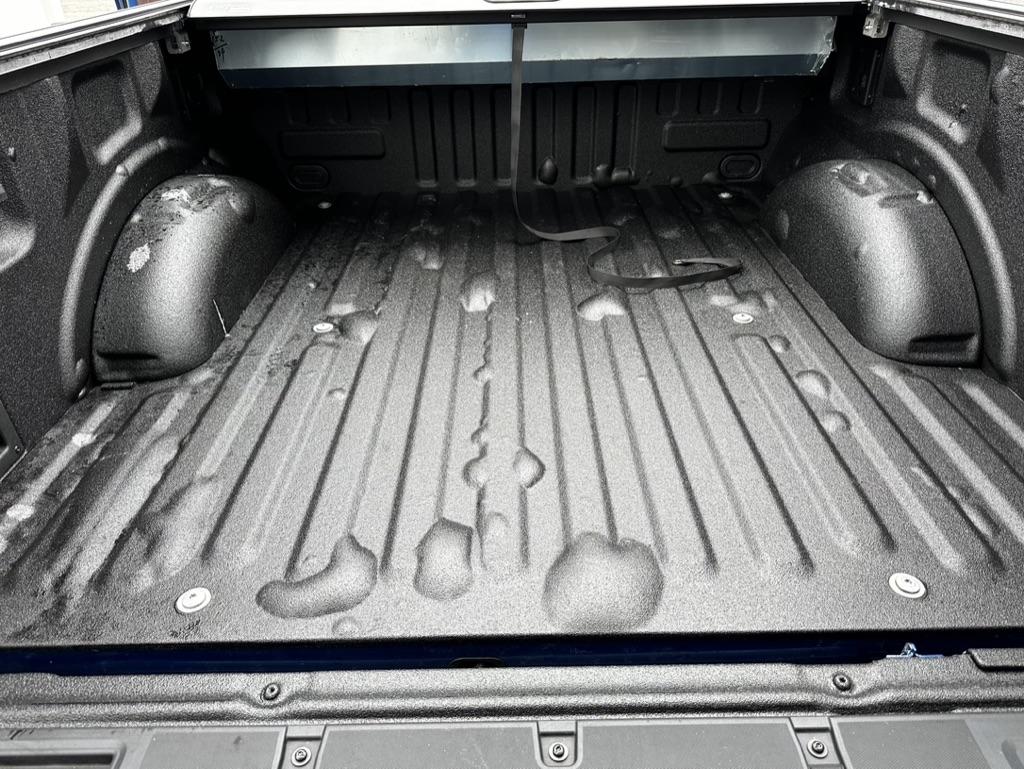
Check the Bed Liner and Surface Materials
Gasoline can degrade certain coatings, plastics, and rubber over time. Look for softening, bubbling, or discoloration in spray-on bed liners, plastic bed mats, or rubber seals. Damaged sections may need repair or full replacement.
Inspect the Fuel Cap and Filler Neck
Determine if the spill came from user error or a mechanical issue. Check the fuel cap, filler neck, and surrounding area for cracks or loose fittings. A faulty gas cap is a common cause of repeated spills.
Confirm No Fumes Remain Before Driving
Before using your truck again, make sure no strong odor remains inside the cab or near the bed. If fumes are still detectable, do not drive. Re-clean the area or seek professional help to stay safe.
Prevent Future Gas Spills in Your Truck Bed

Fill Slowly and Watch the Nozzle
Use the lowest pump speed when refueling. Automatic shutoff nozzles can occasionally fail, so keep your hand on the trigger and watch for overflow, especially on windy days when fuel can splash back.
Use a Funnel With a Spill Guard
A wide-mouth funnel with a built-in spill guard helps direct fuel into the tank and reduces splash risk. Choose one made of non-sparking material like brass or heavy-duty plastic.
Carry an Emergency Spill Kit
Keep a small spill response kit in your cab or toolbox. A basic kit should include:
• Absorbent pads or kitty litter
• Disposable gloves
• A stiff brush and dustpan
• A sealed metal container for waste
• Degreaser wipes
When to Call a Professional for Help
Large or Uncontained Spills
If the spill covered a large portion of the bed or leaked into the frame, undercarriage, or cab, professional decontamination may be needed. Commercial hazmat teams use industrial-strength absorbents and vapor extraction tools.
Strong Odors After Multiple Cleanings
Persistent gasoline smell after several cleanings suggests trapped fuel in insulation, seams, or hidden compartments. A certified auto detailer or hazardous cleanup service can inspect and treat these areas thoroughly.
Suspected Health Exposure
If you experience dizziness, nausea, or headaches after the spill, get fresh air immediately and seek medical attention. Prolonged exposure to gasoline fumes can cause respiratory and neurological effects.
Frequently Asked Questions About Gas Spills in Truck Beds
Is a gas spill in a truck bed dangerous?
Yes. Gasoline is highly flammable and its fumes are toxic. Even small spills create fire and health risks, especially in enclosed or poorly ventilated areas. Quick action is critical.
What absorbs gasoline best in a truck bed?
Kitty litter, sand, and baking soda are all effective absorbents. Pour a thick layer (1 to 2 inches) over the spill and let it sit for 15 to 30 minutes before sweeping it up and disposing of it as hazardous waste.
Can I use water to wash gasoline out of my truck bed?
Water alone is not recommended for gasoline cleanup. Use an absorbent first, then clean with a heavy-duty degreaser and rinse with water. Never wash gasoline into storm drains or onto soil.
How long does gasoline smell last in a truck bed?
With proper cleaning, most odors fade within 24 to 48 hours. Lingering smells may require repeated degreasing, HEPA vacuuming, and overnight treatments with activated charcoal or baking soda.
Will gasoline damage my truck bed liner?
Yes, gasoline can soften, bubble, or discolor spray-on liners, plastic mats, and rubber seals. Inspect the surface after cleanup and replace any damaged sections to prevent further deterioration.
When should I call a professional for a gas spill?
Call a professional if the spill is large, if fumes persist after multiple cleanings, or if you experience health symptoms like dizziness or nausea after exposure.
Key Takeaways for Cleaning a Gas Spill in Your Truck Bed
Speed and caution matter most when dealing with a gas spill in your truck bed. Start by ventilating the area and absorbing the fuel with kitty litter, sand, or baking soda. Follow up with a degreaser wash, a HEPA vacuum, and overnight odor absorbers to fully eliminate fumes. Inspect your bed liner and fuel system for damage before driving again, and keep an emergency spill kit on hand to handle future incidents safely.
Pro Tip: When in doubt, call a professional hazmat service. Your health and your truck’s integrity are worth the extra cost.