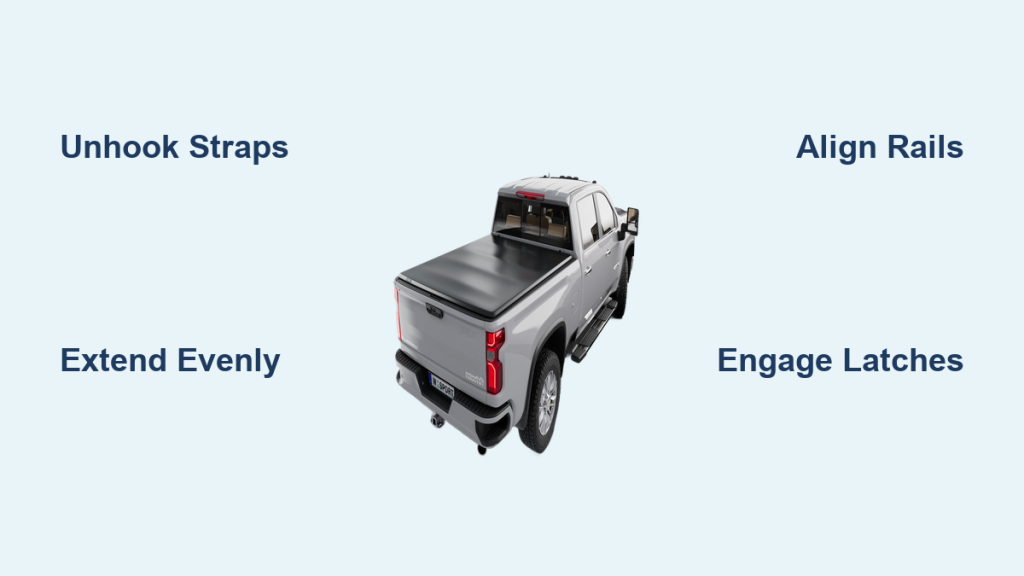
You’ve just loaded your truck bed and now need to secure your gear. A soft tonneau cover provides quick access, sleek styling, and protection, but only when closed properly. If the cover isn’t sealed tightly, you risk water leaks, wind noise, or accidental unrolling on the highway. The good news? Closing a soft roll-up tonneau cover is simple once you know the right steps. This guide walks you through the exact process, explains how the components work together, and shows you how to maintain a tight, secure fit for years.
Whether you drive a Ford F-150, Ram 1500, or another full-size truck, most soft roll-up covers follow the same closure principles. From unhooking straps to engaging latches and checking tension, doing it right ensures maximum protection and performance. Let’s get your cover sealed the right way.
Unhook Roll-Up Straps First
Before closing your soft tonneau cover, release any retention straps holding the cover rolled up near the cab. This step prevents misalignment or strain on the mounting hardware.
Remove Side-Mounted Hooks
Most soft tonneau covers use hook-and-loop straps anchored to the bed rail or stake pockets. Unclip both left and right hooks cleanly. Never pull the cover forward while straps are still attached, as this can misalign the rails or strain the fabric.
• Unfasten both straps from their mounting locations
• Ensure straps are disengaged cleanly to prevent dragging
• Check that hooks are free of debris before storage
Pro Tip: If hooks are stiff, wiggle them gently side-to-side to release. Avoid prying with tools that could damage mounting points.
Check for Obstructions
After unhooking, inspect the bed rails and cover edges. Debris like leaves, gravel, or ice can prevent a proper seal. Clear both the hook-and-loop track and the inner bed flange to ensure smooth closure.
Extend Cover Toward Tailgate
Now that the cover is free, it’s time to unroll it across the bed. Proper extension technique prevents twisting and ensures even alignment.
Pull Evenly and Slowly
Grasp the rear crossbar or edge of the cover and pull it straight back toward the tailgate. Keep your hands level on both sides to maintain alignment. Jerking or yanking can twist the fabric or dislodge support bars.
• Maintain even tension on both sides
• Pull smoothly without forcing
• Stop if you feel resistance
Visual Cue: The embedded aluminum support bows should stay upright as you extend. If one collapses, stop and reposition it before continuing.
Watch for Snags
If you feel resistance during extension, pause and check for cargo blocking the path. Ensure the cover isn’t catching on bed liners, tie-downs, or accessories. Align the side edges with the bed rails as you go rather than waiting until the end.
Align With Bed Rails Correctly
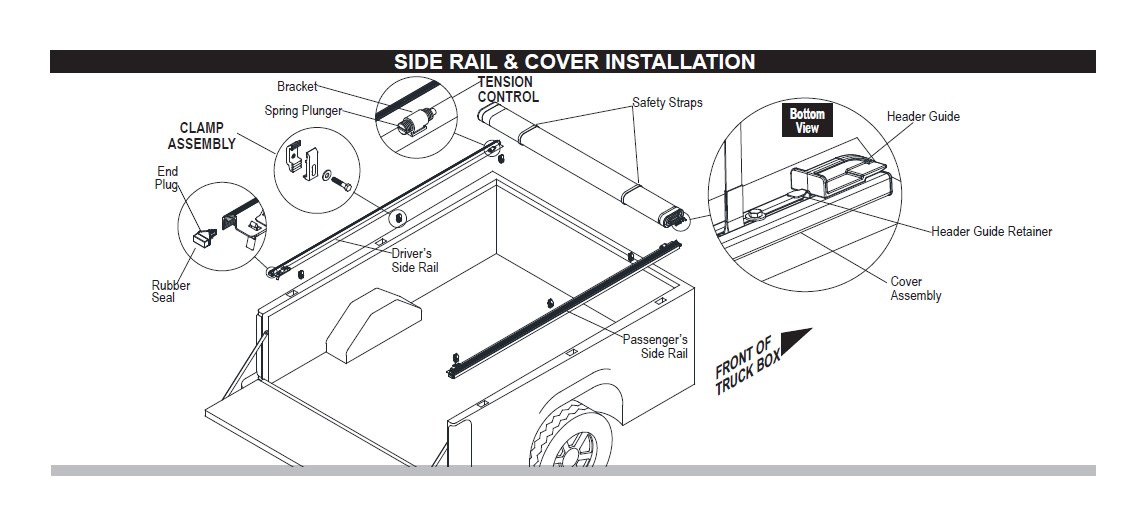
Proper alignment is critical for a weather-tight seal when you close your soft tonneau cover. Taking time here prevents leaks and wind noise later.
Match Edges to Inner Flanges
Guide the left and right sides of the cover into the inner groove or flange of the truck bed rails. These are usually located just below the top edge of the rail.
Position Hook-and-Loop Strips
The cover has a hook (hard) side of Velcro along its perimeter, while the truck rail has the loop (soft) side. Make sure they face each other and run parallel. Misalignment here is a top cause of poor sealing.
Expert Note: Some models, like ACCESS or Rough Country, use integrated aluminum rails that snap into clamps. Confirm these are seated fully before pressing down.
Seal Sides With Firm Pressure
Now it’s time to lock the cover in place along the rails. A proper seal keeps out weather and debris.
Press Down from Cab to Tailgate
Starting at the front (near the cab), press the cover firmly into the bed rail. Work your way back to the tailgate, applying steady pressure along both sides.
• Start at the cab-end and work toward the tailgate
• Apply consistent pressure for full adhesion
• Listen for the soft tack sound of engagement
What to Listen For: A soft tack or stick sound means the hook-and-loop system is engaging properly.
Avoid Gaps and Wrinkles
If the fabric bunches or lifts, lift it slightly and reseat it. A smooth, flat fit prevents flapping at speed. Pay extra attention to the mid-bed area, where sagging often occurs if support bows shift.
Pro Tip: Run your palm along the seam. Any looseness means debris or misalignment. Clean and reseal if needed.
Engage Front Latching System
The final locking step secures the front edge and tightens the entire cover. This is what keeps your tonneau from popping open unexpectedly.
Flip Down Side Levers
Most soft roll-up covers have latch levers on both sides near the cab. Flip them downward until they click into place. This activates a cable tensioning system that pulls the front edge tight.
• Locate levers on both sides near the cab
• Flip downward until you hear a click
• Verify both sides are locked
Warning: If levers won’t lock, don’t force them. The cover may not be fully seated. Recheck side seals before retrying.
How the Cable System Works
Inside the front crossbar, a steel cable connects both levers. When engaged, it tightens the cover front-to-back, creating drum-like tension that resists wind lift.
Maintenance Note: Lubricate latch mechanisms occasionally with silicone spray, not WD-40, which attracts dirt.
Perform Final Security Check
One quick inspection ensures your cover stays put on the road. Don’t skip this step before driving.
Run Hands Along Seals
Feel both sides for consistent adhesion. Any loose spots mean the Velcro isn’t fully engaged. Lift and repress those sections.
Tap Test for Tension
Gently tap the center of the cover. A tight, drum-like sound means proper tension. A dull thud indicates looseness, so check latches and re-engage if needed.
Visual Inspection
Walk around the truck and look for gaps at the front or sides, twisted fabric, exposed support bars, or misaligned rails.
Safety Note: Never drive with the cover partially unsealed. Wind can catch and rip the fabric, causing costly damage.
Fix Common Closure Problems
Even well-maintained covers can develop issues over time. Here’s how to address them when your soft tonneau cover won’t close properly.
Cover Won’t Snap Into Place
Clean the Hook-and-Loop Strips
Dirt, sand, or salt degrades grip. Use a soft brush or compressed air to clean both sides weekly. For stubborn grime, wipe with a damp cloth and mild soap.
Realign the Rails
If the cover consistently resists sealing, check if the mounting rails are loose or shifted. Tighten clamp bolts and realign with the bed flange.
Pro Tip: Some models like Rough Country have adjustable pivot blocks. Turn them to increase side tension.
Cover Won’t Stay Taut
This issue typically stems from loose cables, worn latches, or sagging support bars. Tighten the cable tension, inspect the levers, and ensure aluminum bows are intact and properly seated.
Water Pooling on Closed Cover
Water pooling indicates lack of crown due to missing or bent support bars. Replace damaged bows and ensure even rolling and unrolling to maintain structural integrity.
Maintain a Long-Lasting Seal
Regular care keeps closure effortless and extends the life of your cover. A well-maintained tonneau closes faster and seals better.
Clean Cover Weekly
Mix mild soap and water. Scrub gently with a soft sponge. Rinse thoroughly and dry with a microfiber towel. Avoid harsh cleaners, as they dry out vinyl and weaken seals.
Condition the Vinyl Monthly
Apply a UV-protective spray like COVER CARE or 303 Aerospace Protectant. This prevents cracking, fading, and stiffness, especially in hot or snowy climates.
Inspect Components Quarterly
Check for worn Velcro (replace if strips no longer grip), loose rail clamps (retighten to spec), bent or broken support bars (replace immediately), and stiff latches (clean and lubricate).
Expert Note: Over time, vinyl can stretch slightly. Use adjustable pivot blocks if equipped to re-tension the system and restore tightness.
Best Practices for Daily Use
Follow these habits to protect your cover and cargo. Making closure part of your routine prevents unexpected problems.
Always Close Before Driving
Even short trips require a sealed cover. Wind gusts can unroll loose fabric in seconds, causing damage or distraction.
Secure Loose Cargo
Shifted items can rub against the closed cover, causing tears. Use tie-downs or cargo nets to keep loads stable.
Never Enter Car Wash Open
Automatic car washes can destroy an unsecured cover. Always close and latch fully before entering.
Manufacturer Rule (ACCESS): “If it’s not latched, it’s not ready for the road.”
Understand Your Cover’s Design
Knowing how it works helps you close it better. Soft tonneau covers have specific design features that enable proper function.
Support Bows Keep Shape
Embedded aluminum bows create a slight crown to shed water and snow. They roll up with the cover, requiring no removal.
Low-Profile Advantage
At just 1 to 2 inches tall, soft roll-ups don’t block rear visibility or add significant drag. But this also means they rely entirely on proper tension for security.
Tool-Free Installation Means Easy Adjustments
Since most models clamp on without drilling, you can remove and reposition rails if alignment drifts over time.
Real-World Tips From Truck Owners
Long-term users share what really works when you need to close your soft tonneau cover quickly and securely.
• One owner closes theirs the same way every time, left side first, then right. Muscle memory helps consistency.
• After winter, clean the tracks every spring. Salt kills the Velcro fast.
• If closure takes more than 30 seconds, something’s wrong. A properly functioning cover should close in about 20 seconds.
User Alert: One owner of an Aussie KGM cover for a SsangYong Musso reported increasing difficulty over two years. This is common with aging vinyl. Regular cleaning and tension adjustment restored smooth operation.
When to Replace Worn Parts
Don’t wait for failure. Replace these components before they cause damage.
Velcro Seals (Hook-and-Loop)
If the cover slips or won’t stay sealed, the strips are likely worn. Replacement kits cost $20 to $40 and install with adhesive backing.
Support Bars
Cracked or bent bows cause sagging. Order OEM replacements from the manufacturer.
Latch Levers
If levers crack or won’t stay locked, replace them immediately. Driving with an unsecured front edge risks total cover loss.
Contact ACCESS Support:
Phone: 877-708-4787
Hours: Mon-Fri, 7:30 AM – 5:00 PM (CST)
Location: 3000 Hwy 281 SE, Jamestown, ND 58401
Frequently Asked Questions About Closing a Soft Tonneau Cover
How long does it take to close a soft tonneau cover?
A properly functioning soft roll-up cover should close in approximately 20 to 30 seconds. If closure takes longer, check for debris in the tracks or worn Velcro strips.
Why won’t my soft tonneau cover seal properly?
The most common causes are dirty or worn hook-and-loop strips, misaligned rails, or debris in the sealing track. Clean the Velcro weekly and check rail alignment regularly.
Can I drive with my tonneau cover partially open?
Never drive with the cover partially unsealed. Wind can catch and rip the fabric, causing costly damage. Always fully close and latch the cover before driving.
How do I know if my tonneau cover is properly tensioned?
Perform the tap test. Gently tap the center of the cover. A tight, drum-like sound indicates proper tension. A dull thud means the cover is loose.
How often should I clean my tonneau cover seals?
Clean hook-and-loop strips weekly, especially after driving on dusty or salty roads. Regular cleaning prevents debris buildup that degrades the seal.
What should I do if the latch levers won’t lock?
Don’t force them. The cover likely isn’t fully seated in the rail. Recheck side seals and ensure the Velcro is properly aligned before retrying.
Key Takeaways for Closing Your Soft Tonneau Cover
Closing a soft tonneau cover isn’t just about rolling it up. It’s about creating a secure, weather-tight seal every time you drive. The process involves six main steps: unhooking straps, extending the cover evenly, aligning with bed rails, pressing to engage the Velcro, latching the front system, and performing a final security check.
Regular maintenance keeps closure effortless. Clean the hook-and-loop strips weekly, condition the vinyl monthly, and inspect components quarterly. Address problems early, such as worn Velcro or stiff latches, before they cause bigger issues.
By following the right steps, maintaining key components, and understanding how your cover works, you ensure reliable protection for your truck bed. Whether you’re hauling tools, camping gear, or nothing at all, a properly closed cover improves fuel efficiency, reduces noise, and keeps your cargo safe. Make closure part of your routine, and your tonneau will perform flawlessly for years.