You just finished a winter drive, and now your truck bed is loaded with snow, maybe even packed ice. Leaving it there causes problems. Extra weight cuts fuel efficiency, snow can fly off while driving and endanger other drivers, and ice buildup can damage the bed liner. Knowing how to get snow out of truck bed spaces quickly and safely is a key part of winter vehicle care.
This guide covers fast, practical methods you can use right now. You will learn how to clear loose snow, break up ice, prevent buildup, and avoid common mistakes that can damage your truck. These are proven techniques that work in real winter conditions.
Clear Loose Snow Fast With the Right Tools
When snow is still fresh and powdery, you can remove it in minutes. Use these immediate strategies before the snow has a chance to compact or freeze.
Shovel Snow Safely From the Bed
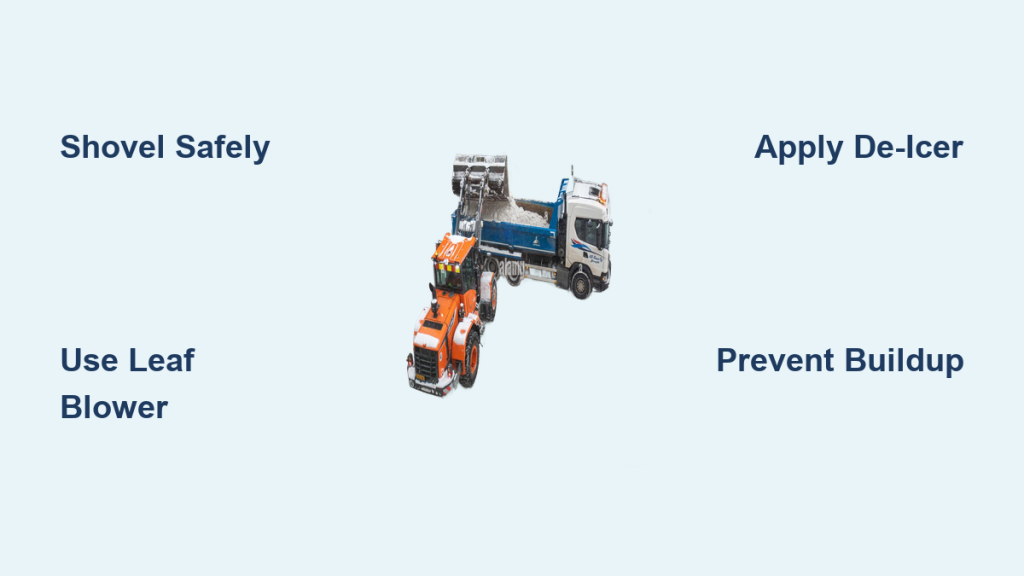
A sturdy snow shovel is your most reliable tool. Pick one with a curved handle to reduce back strain and a wide blade to move more snow per scoop. Stand inside the truck bed if space allows, and push snow over the tailgate instead of lifting it. Avoid metal shovels on lined beds. Choose plastic to prevent scratches. Work in sections from the cab toward the tailgate, and never throw snow. Lift and dump it to avoid injury.
Pro Tip: Warm the shovel blade with hot water before use. A heated blade cuts through compacted snow faster and reduces sticking.
Use a Leaf Blower for Dry Powder
Light, dry snow blows out of the bed in minutes with a gas or electric leaf blower. Stand at the side and angle the nozzle toward the tailgate. Use short bursts to push snow out without overloading the motor. This method requires no bending or lifting, making it ideal for anyone with physical limitations.
• Best for: Fluffy, unfrozen snow
• Time required: 2 to 5 minutes
• Avoid if: Snow is wet or icy, since a blower will not move it
Sweep Away Remaining Residue
After shoveling, use a stiff-bristle push broom to clear the thin layer that remains. This step preps the surface for de-icing and removes what the shovel missed. For stubborn patches, dampen the bristles slightly. Moist bristles grip snow better than dry ones.
Break Up Ice Buildup in the Truck Bed
Once snow compacts and freezes, it bonds tightly to the truck bed. Ice is hardest around wheel wells, seams, and the tailgate. Removing it takes patience and the right approach.
Apply a Truck-Safe De-Icer Spray
Spray a de-icing solution directly on icy areas. Look for formulas labeled rubber-safe to protect bed liners. Let the spray sit for 1 to 2 minutes so it can break the ice bond. Then scrape the area clean. Avoid household salt-based products. They corrode metal and degrade liners over time.
Warning: Never pour hot water on ice. It melts the surface but refreezes quickly, making the problem worse.
Scrape With a Plastic Ice Scraper
Metal scrapers leave scratches behind. Use a heavy-duty plastic ice scraper with a long handle instead. Work in small zones with firm, even pressure. Keep the blade angled low to lift ice without gouging the surface. For thick ice, score the surface with crosshatch lines first, then pry up sections piece by piece.
Warm the Ice With Controlled Heat
If your truck is in a garage or near an outlet, use a heat gun or hair dryer on a low setting. Hold it 6 to 8 inches from the ice to avoid melting plastic liners. Focus on the edges where ice meets metal. Heat loosens the seal fastest in those spots. Never leave heating tools unattended while in use.
Stop Snow From Sticking in the First Place

Prevention is the fastest way to handle snow. These steps save you time and effort throughout the entire winter season.
Coat the Bed With a Non-Stick Spray
Before the next snowfall, apply a silicone-based spray or a light coat of cooking oil to the truck bed. Cover metal surfaces and seams with a thin layer. Too much product attracts dirt and grime. This slick barrier helps snow slide out easily when you clear it. Reapply every 2 to 3 snowfalls or after washing the truck.
• Works like: A non-stick pan for snow
• Best products: WD-40 Specialist Silicone or a light coat of CRC White Lithium Grease
Install a Tonneau Cover
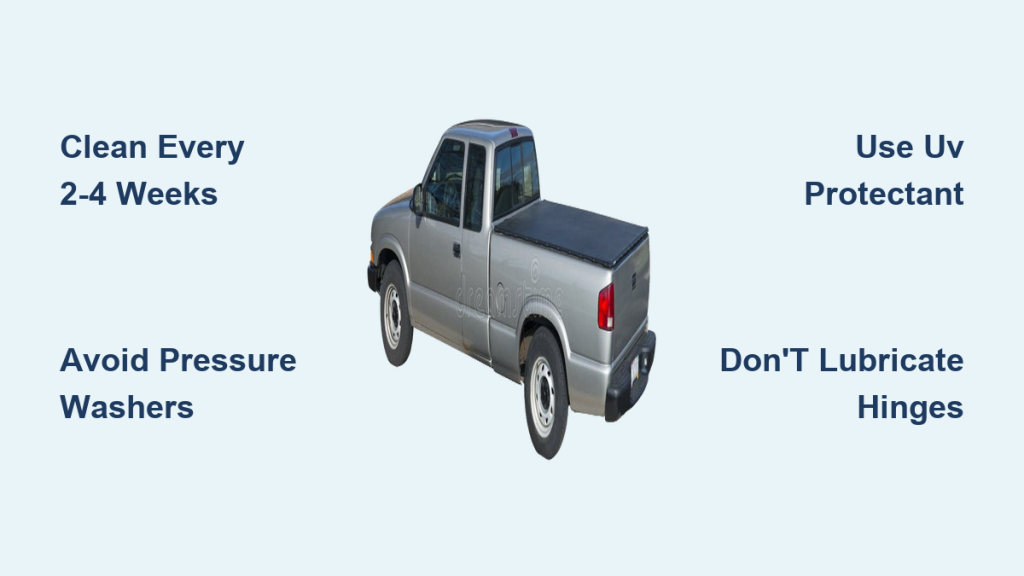
A tonneau cover keeps snow out of the bed entirely. Hard-shell and retractable covers offer the best protection. Soft covers with tight seals also help. If you do not need full bed access, a cover eliminates clearing altogether. For areas with frequent snow, a cover is a long-term time-saver.
Bonus: Covers also protect cargo and improve fuel economy through better aerodynamics.
Line the Bed With Plastic Sheeting
For short-term use, lay a heavy-duty tarp or plastic sheeting in the bed. Secure the edges with bungee cords. When snow accumulates, lift the tarp and dump the snow out in one motion. This works well for contractors or plow drivers who carry snow by accident.
Manage Heavy and Wet Snow Loads
Wet snow is dense and heavy, often more than 20 pounds per cubic foot. It is harder to move and freezes faster. These tactics help you handle it safely.
Cut Snow Into Manageable Sections
Do not try to remove wet snow all at once. Use a shovel or pry bar to slice the snow into smaller blocks. Cut horizontally first, then lift each piece out. This reduces strain and prevents damage from prying frozen chunks.
Pry Up Frozen Edges Carefully
For snow frozen to the floor, slide a flat pry bar under a corner and gently lever upward. Work slowly and avoid sudden force, which can dent metal or tear liners. Once a section lifts, switch back to a shovel to finish the job.
Safety Note: Wear gloves and eye protection. Ice chunks can snap off without warning.
Melt Snow With Warm Air
Park in a heated garage if one is available. Even 15 to 30 minutes of warmth can loosen ice enough to slide out. No garage nearby? Use a portable propane heater outdoors only and keep it at a safe distance from the truck. Never run fuel-powered heaters in enclosed spaces.
Avoid These Common Snow Removal Mistakes

Even with the right tools, simple errors can waste time or damage your truck. Watch out for these frequent missteps.
Never Use Metal Tools on Bed Liners
Chisels, pickaxes, and metal shovels scratch and puncture rubber or spray-on liners. One gouge can lead to rust or water pooling. Stick to plastic, rubber, or wood tools only.
Do Not Ignore the Tailgate Seal
Snow often packs into the tailgate’s rubber gasket. Use a brush or cloth to clean it out. A frozen seal keeps the tailgate from closing properly and leads to water leaks inside the bed.
Never Drive With Snow Still in the Bed
It may seem easier to let snow fly out as you drive, but this is dangerous. Snow becomes a projectile at highway speeds. It can shatter the rear windows of vehicles behind you or block their view. Always clear the bed before driving.
Upgrade Your Snow Removal Tools for Frequent Use
If you clear your bed weekly, basic tools may not be enough. Upgrading saves time and effort across the whole season.
Try a Hitch-Mounted Snow Blower Attachment
Some trucks support hitch-mounted snow blowers. These are ideal for fleet vehicles or owners with large beds. Electric models plug into the truck’s power outlet and clear snow in a single pass.
Use a Cordless Pressure Washer for Final Cleanup
After clearing snow, a portable pressure washer removes salt residue and hidden slush. Use cold water only to avoid refreezing. Focus on seams, bolts, and under-rail areas where moisture hides.
Lay Down a Heated Truck Mat
Electric heating mats designed for truck beds are now available. Plug one into a 12V outlet, lay it in the bed, and it melts snow from below. Still a niche product, but growing in popularity for commercial users.
Speed Up Cleanup With These Final Habits
A few simple habits can cut your clearing time in half and keep your tools ready when you need them.
Clear the Bed Right After Every Use
The longer snow sits, the more it compacts and freezes. Make it a habit to unload snow as soon as you arrive. Even a 10-minute delay adds effort to the job.
Store Your Tools Inside the Cab
Keep your shovel, scraper, and brush inside the truck. Stash them under a seat or behind a rear door. Frozen tools are useless in cold weather. Warm tools work better and are always ready when you need them.
Place Melt Mats in Problem Zones
Set rubber melt mats in the bed corners where ice collects. These mats contain non-corrosive heating elements and turn on with a switch. They are not meant for full coverage but work well in spots that freeze first.
Frequently Asked Questions About Snow Removal From Truck Beds
What Is the Fastest Way to Remove Snow From a Truck Bed?
For loose snow, a leaf blower or plastic shovel works fastest. For ice, apply a rubber-safe de-icer, let it sit for 1 to 2 minutes, then scrape with a plastic ice scraper.
Can I Pour Hot Water on Ice in My Truck Bed?
No. Hot water melts the surface ice but refreezes quickly, creating a thicker ice layer. Use a de-icer spray or controlled heat from a heat gun instead.
Will a Bed Liner Protect Against Ice Damage?
A bed liner helps, but ice can still bond to it and cause tearing if removed with metal tools. Always use plastic or rubber tools on lined beds.
How Do I Keep Snow From Sticking to My Truck Bed?
Apply a silicone-based spray or light coat of cooking oil before snowfall. You can also install a tonneau cover to keep snow out entirely.
Is It Safe to Drive With Snow in the Truck Bed?
No. Snow can fly off at highway speeds and create a serious hazard for vehicles behind you. Always clear the bed before driving.
Final Takeaways for Clearing Snow From Your Truck Bed
Removing snow from your truck bed does not have to be a struggle. Use a plastic shovel or leaf blower for loose snow, and switch to de-icer and a plastic scraper for ice. Never use metal tools on bed liners, and avoid hot water, which makes ice worse. Prevention matters just as much as removal. Silicone spray, tonneau covers, and plastic sheeting all stop snow from sticking in the first place. Most importantly, always clear the bed before driving to keep other vehicles safe.
Make snow removal part of your routine. Clear the bed right after every use, store your tools inside the cab, and act before snow has a chance to freeze. The faster you respond, the easier the job gets.