Transporting a propane tank in your truck bed can be safe and straightforward when done correctly. A loose or improperly secured propane tank becomes a dangerous projectile in a sudden stop or accident, risking fire, explosion, or serious injury. Whether you’re hauling a 20-pound grill tank or a larger refillable unit, knowing how to secure a propane tank in truck bed is essential for safety and compliance with transportation regulations. This guide walks you through the correct methods, best practices, and common mistakes to avoid when transporting propane in your pickup.
You’ll learn how to choose the right restraints, position the tank properly, and ensure ventilation while meeting U.S. Department of Transportation (DOT) guidelines. No guesswork, just clear, actionable steps to protect yourself, your vehicle, and others on the road.
Proper Tank Positioning
Keep Upright at All Times
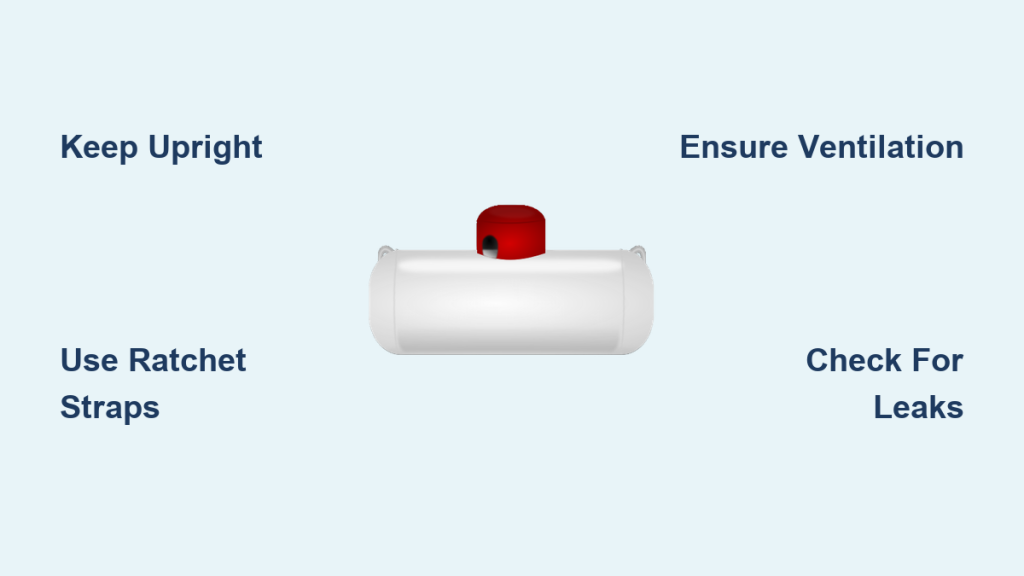
A propane tank must always remain upright during transport. This ensures the pressure relief valve, located on the top of the tank, functions correctly. If the tank lies on its side, the valve could release liquid propane instead of vapor, creating an extreme fire hazard.
Place the tank so it stands vertically on a flat, stable surface in the truck bed. Use a rubber mat or piece of plywood to prevent slipping and reduce vibration.
Avoid Direct Sunlight When Possible
While propane tanks are designed to handle heat, prolonged exposure to direct sunlight increases internal pressure and the risk of automatic valve release. Park in the shade when possible, or cover the tank with a reflective tarp. Never fully enclose it (see ventilation guidelines below).
Secure with Heavy-Duty Straps
Use Ratchet or Tie-Down Straps
To secure a propane tank in truck bed, use at least two heavy-duty ratchet straps rated for 500+ pounds. Wrap each strap around the tank’s upper shoulder (not the valve or collar) and anchor them to sturdy tie-down points in the truck bed.
- Attach one strap horizontally near the top
- Attach a second near the base for maximum stability
- Ensure straps are tight with no slack
Avoid bungee cords or rope because they stretch, degrade, and can fail under stress.
Double-Check Anchor Points
Confirm your truck’s bed anchors (D-rings or cleats) are bolted securely to the frame. Weak or rusted anchors can tear out under load. If your truck lacks built-in points, install reinforced tie-downs rated for dynamic loads.
Ensure Adequate Ventilation
Never Enclose the Tank
Never store a propane tank inside a closed trunk, cab, or enclosed toolbox. Propane is heavier than air and can pool in low, confined spaces. A small leak could lead to an explosive concentration.
Leave the truck bed open and uncovered, or use a breathable mesh cover that allows airflow from all sides.
Check for Leaks Before Transport
Before loading, inspect the tank and valve:
– Smell for gas (propane has a rotten egg odor)
– Apply soapy water to connections; bubbling indicates a leak
– If leaking, do not transport. Return to a refill station
If the tank is damaged, corroded, or past its expiration date (check the collar stamp), do not use it.
Follow DOT Transport Rules
Know the Legal Limits
According to the U.S. Department of Transportation (DOT), you can transport up to five propane cylinders in a vehicle without requiring special placards, provided:
– Each tank is under 46 pounds (about 20 pounds of propane)
– Total combined weight of propane does not exceed 90 pounds
– Tanks are secured and upright
Exceeding these limits may require commercial licensing and hazardous materials training.
Keep Distance from Passengers
Never carry a propane tank inside the passenger cabin. Always transport it in the open truck bed, away from doors, windows, and vents that could allow gas to enter the cab.
Use a Tank Holder or Cage
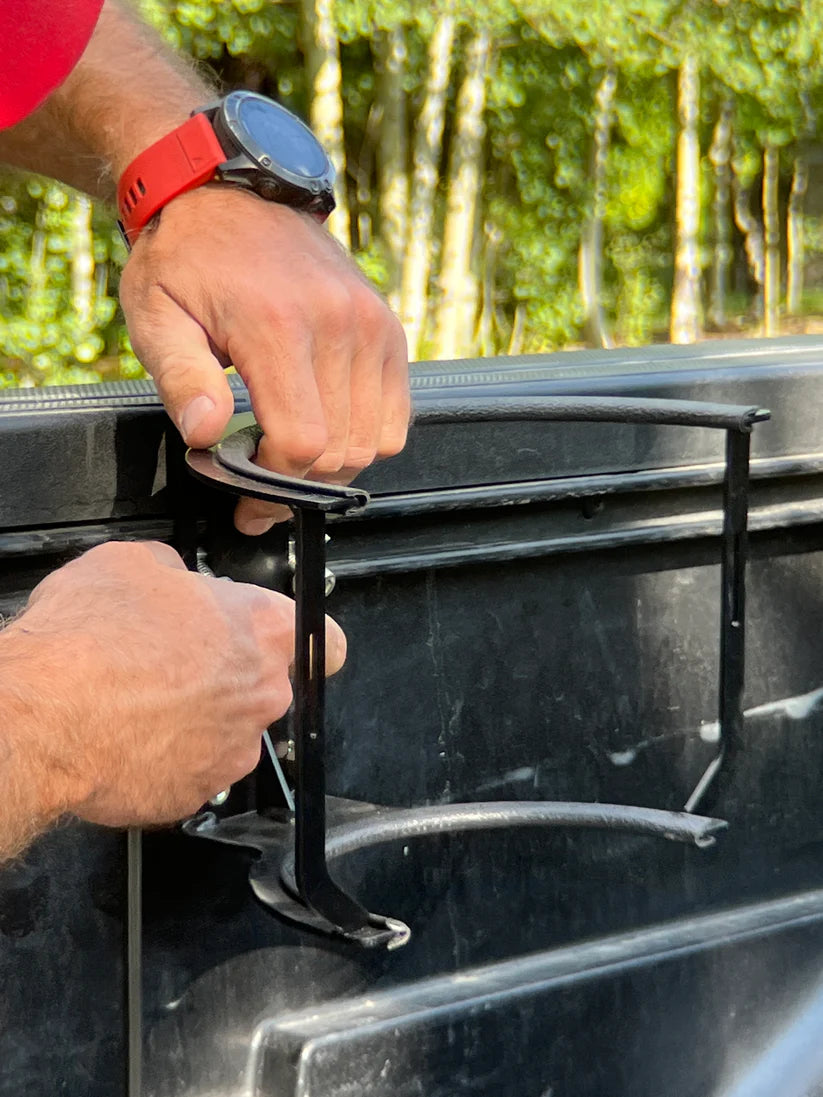
Install a Propane Tank Bracket
For frequent hauling, install a steel tank holder or cage that bolts to the truck bed. These brackets:
– Hold the tank upright automatically
– Prevent rolling or shifting
– Allow quick loading and unloading
Choose a model designed for your tank size (e.g., 20 lb, 30 lb) and made from rust-resistant materials like powder-coated steel.
DIY Cage Tips
If building your own:
– Use 1-inch steel tubing
– Design a U-shaped cradle that supports the tank’s lower half
– Add a vertical strap anchor for extra security
– Ensure easy access to the valve
Never weld near a propane tank. Even an empty one can contain flammable residue.
Transport After Refill: Safety First
Wait Before Loading
After refilling, let the tank sit upright for 5–10 minutes before transport. This allows pressure to stabilize and any minor leaks to become evident.
Drive Cautiously
Avoid sudden acceleration, hard braking, or sharp turns. These movements increase stress on straps and raise the risk of tipping.
Check the tank periodically on long trips. Stop and re-secure if straps loosen.
Avoid Common Mistakes
Laying Tank on Its Side
This disables the pressure relief valve’s ability to vent safely. Even a short trip with a horizontal tank is risky.
Using Worn or Damaged Straps
Frayed webbing or cracked buckles can fail. Replace straps every 1–2 years or after heavy use.
Leaving Tank in Hot Vehicle
Never leave a propane tank in a parked truck exposed to sun. Temperatures inside a closed cab can exceed 150°F, which dangerously increases tank pressure.
Frequently Asked Questions About Securing Propane Tanks in Truck Beds
Can I transport a propane tank in my truck cab?
No. Propane tanks should never go inside the passenger cabin. Always transport them in the open truck bed where ventilation prevents gas buildup.
How many propane tanks can I legally transport?
You can transport up to five cylinders without special placards, as long as each tank weighs under 46 pounds and the total propane weight stays under 90 pounds.
What type of strap is best for securing a propane tank?
Heavy-duty ratchet straps rated for 500+ pounds work best. Avoid bungee cords or rope because they stretch and can fail under stress.
Do I need to keep the tank upright during transport?
Yes. Keeping the tank upright ensures the pressure relief valve works correctly. A tank on its side risks releasing liquid propane, which is far more dangerous than vapor.
How long should I wait after refilling before transporting?
Wait 5–10 minutes after refilling. This gives pressure time to stabilize and allows any small leaks to become detectable.
Should I cover the propane tank during transport?
Only use a breathable mesh cover or reflective tarp. Never fully seal the tank, since trapped gas from a minor leak could build to explosive levels.
Key Takeaways for Safely Securing a Propane Tank in Your Truck Bed
Securing a propane tank in your truck bed comes down to three core principles: keep it upright, strap it tight, and allow airflow. Use heavy-duty ratchet straps anchored to solid tie-down points, and check your tank for leaks before every trip.
Follow DOT limits on tank quantity and weight, and never carry a propane tank inside your vehicle’s cabin. For regular hauling, a bolted steel cage or bracket adds an extra layer of safety.
Take five extra minutes before driving. Check your straps, verify the valve is upright and closed, and confirm ventilation. These small steps prevent the serious hazards that come with a shifting or leaking tank. Your safety, and the safety of everyone sharing the road, depends on getting this right.