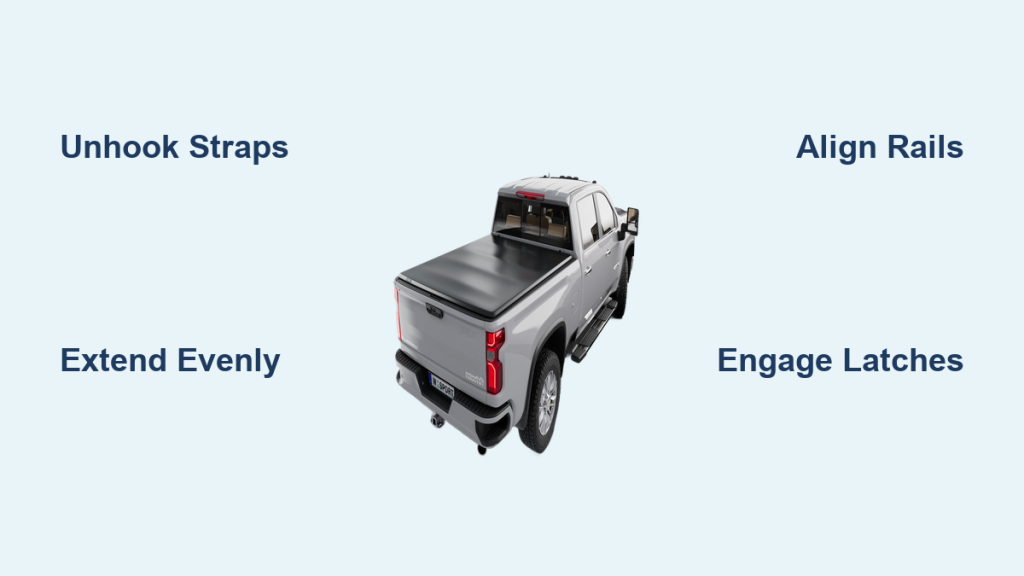
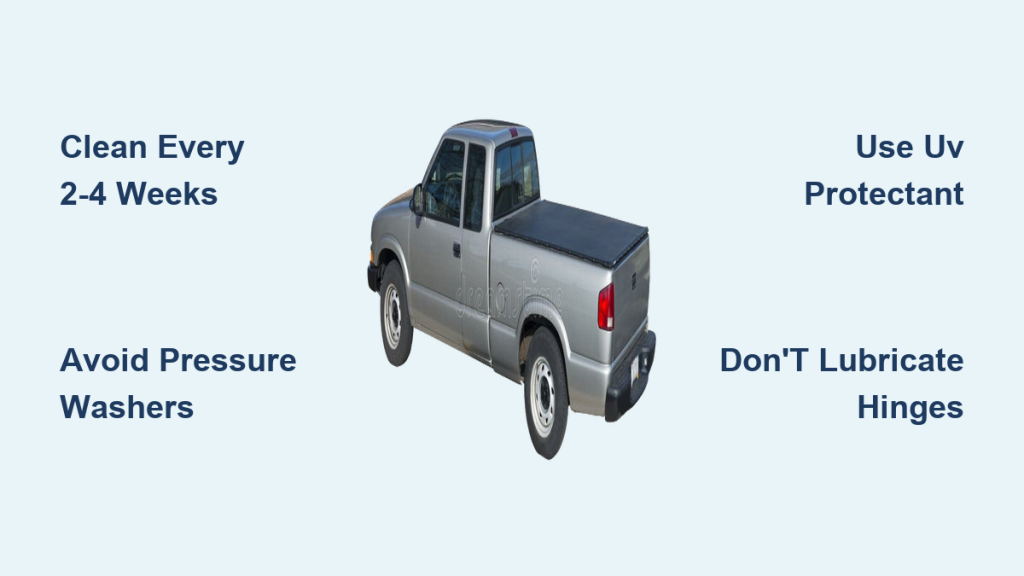
Your tonneau cover shields your truck bed from weather, debris, and theft, but over time it collects dust, grime, bird droppings, and UV damage that dull its appearance and shorten its lifespan. Knowing how to clean a tonneau cover properly is essential for maintaining its function and visual appeal. This guide walks you through the exact steps, tools, and products needed to clean and protect any tonneau cover type safely. You will learn how to remove stubborn stains, restore faded vinyl, and apply long-lasting protectants while avoiding common mistakes that could void warranties or degrade materials.
Match Your Cleaning Approach to Your Cover Type
Different tonneau cover materials and mechanisms require specific care. Using the wrong cleaning method can damage seals, hinges, or the vinyl surface itself.
Soft Folding Covers: Vinyl Care Basics
Soft folding tonneau covers feature heavy-duty vinyl or fabric with a tri-fold design. They allow partial bed access but are vulnerable to UV fading and mold if neglected.
- Clean every two to three weeks with mild car shampoo.
- Use a soft boar hair brush to lift dirt without scratching the surface.
- Apply a UV-protective dressing like 303 Aerospace Protectant after drying to maintain flexibility.
- Never roll or fold the cover when wet, as trapped moisture promotes mold growth.
Hard Folding Covers: Focus on Hinges and Panels
Hard folding models use aluminum or composite panels connected by durable hinges. They offer superior security and load-bearing strength.
- Wipe down panels with a damp microfiber cloth and mild cleaner.
- Inspect hinges and joints monthly for dirt buildup or looseness.
- Never lubricate moving parts, as this can attract grime and void manufacturer warranties.
- Tighten mounting hardware periodically, since truck bed flex during driving can loosen bolts.
Retractable Covers: Keep Tracks Clear
Retractable hard covers slide on internal rails and provide full bed access with a sleek profile. Their mechanism is sensitive to debris accumulation.
- Clean tracks monthly using a soft brush or vacuum to remove sand and grit.
- Wipe aluminum slats with a microfiber cloth and diluted all-purpose cleaner.
- Ensure the cover retracts fully before driving to prevent wind damage.
- Avoid silicone sprays or WD-40 on tracks, as these attract dust and impair performance.
Soft Roll-Up Covers: Simple Maintenance
These budget-friendly vinyl covers roll toward the cab and secure with clips or Velcro. They are easy to remove but prone to staining and fading.
- Wash with warm water and car shampoo, avoiding high-pressure sprayers.
- Clean attachment hooks and Velcro strips regularly, as dirt reduces grip.
- Apply a ceramic-based protectant like HydroShield Vinyl Coating for water repellency and UV defense.
- Store indoors during winter or extended non-use to prevent cracking.
Hard Roll-Up Covers: Hybrid Protection Needs
Combining aluminum slats with a rolling mechanism, these covers deliver security and full bed access.
- Clean both the vinyl seals and metal components with separate tools.
- Use a soft sponge for vinyl and a slightly firmer brush for aluminum.
- Dry thoroughly before rolling up to prevent corrosion or seal degradation.
- Check alignment monthly, as misalignment can strain the roller mechanism.
Identify Stains Before Cleaning
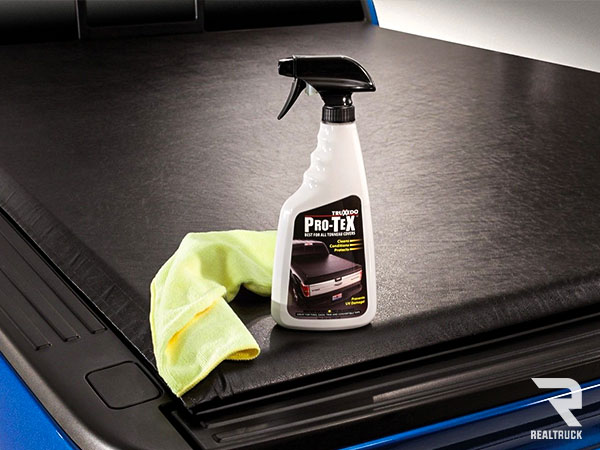
Different stains require targeted cleaning solutions. Proper identification ensures effective treatment without damaging the cover material.
Bird Droppings: Neutralize Acidity Fast
Bird droppings are acidic and can etch vinyl if left untreated.
- Mix equal parts white vinegar and water.
- Dab the solution on the spot with a microfiber cloth, do not rub.
- Let sit for one to two minutes, then rinse with clean water.
- Wash the area again with car shampoo to neutralize any residue.
Mud and Dirt: Prevent Surface Scratches
Dried mud acts like sandpaper during cleaning and can scratch the surface.
- Rinse first to loosen particles.
- Use a soft brush with warm, soapy water to gently agitate.
- Work in small sections to prevent soap from drying in sunlight.
Oil and Grease: Break Down Effectively
Grease attracts more dirt and penetrates vinyl pores quickly.
- Spray an automotive-safe all-purpose cleaner like Simple Green diluted five to one.
- Wait sixty seconds without letting it dry.
- Wipe with a microfiber cloth using light pressure.
- Reapply if needed and rinse thoroughly.
Tree Sap: Use Dedicated Remover
Sap hardens and resists regular cleaning methods.
- Apply a commercial sap remover according to label instructions.
- Let it sit until the sap softens, usually two to three minutes.
- Wipe gently with a cloth, never scrape with metal tools.
- Finish with a vinyl cleaner to remove chemical residue.
Water Stains: Eliminate Mineral Deposits
Hard water leaves white streaks and film on surfaces.
- Use a detailing spray designed for glass or plastic.
- Apply to a microfiber cloth and wipe the affected area.
- Buff to a streak-free finish.
- For severe deposits, use distilled water for the final rinse.
Bug Residue: Soften Before Wiping
Dried bugs bond tightly to surfaces and require softening before removal.
- Spray bug and tar remover directly onto the affected area.
- Wait two to three minutes for the formula to penetrate.
- Wipe with a damp microfiber, avoid scrubbing.
- Follow with a general wash to remove cleaner traces.
Mold and Mildew: Treat With Caution
Mold and mildew are common in humid climates or covered storage situations.
- Use a convertible top cleaner like 303 Tonneau Cover Cleaner.
- Spray on and let dwell for three to five minutes.
- Gently scrub with a soft brush, never use bleach.
- Rinse completely and dry before applying protectant.
- Prevent recurrence by ensuring airflow under the cover.
Remove Loose Debris First
Skipping debris removal risks scratching the surface during the washing phase.
- Use a handheld vacuum to extract leaves, dust, and grit from seams and crevices.
- For folding or retractable models, clean around hinges and track openings.
- Alternatively, use a soft brush or compressed air to blow out particles.
- Do not use leaf blowers on high pressure, as this can force debris deeper into mechanisms.
Wash the Cover Safely
Proper washing technique protects the cover material while removing contaminants effectively.
Avoid Direct Sunlight
Washing in full sun causes soap to dry too quickly, leaving streaks and residue.
- Choose early morning, late afternoon, or a shaded area.
- Work in sections no larger than two by two feet to maintain control.
Use the Proper Cleaning Solution
- Mix mild car shampoo with warm water in a bucket.
- For heavier grime, use diluted Simple Green, one part cleaner to five parts water.
- Never use dish soap, as it strips protective coatings and dries out vinyl.
Choose the Right Tools
- Soft sponge or wash mitt for general cleaning.
- Soft boar hair brush for textured vinyl or embedded dirt.
- Microfiber cloths for spot treatment.
Scrub Gently in Sections
- Start at the cab end and work toward the tailgate.
- Dip tools in soapy water frequently to prevent drying.
- Use circular motions on stains and straight strokes on large areas.
- Observe the foam turning brown, which indicates dirt is lifting.
Rinse Thoroughly
Residual soap attracts more dirt and causes streaking.
- Use a garden hose with a gentle spray nozzle.
- Rinse from top to bottom to carry dirt away naturally.
- Pay special attention to seams, folds, and under rails.
- Never use pressure washers, as high PSI can force water into seals and damage mechanisms.
Dry Completely
Wet covers attract dust and promote mold growth.
Microfiber Towel Method
- Use clean, dry microfiber towels, never old t-shirts or paper towels.
- Wipe in one direction to avoid swirl marks.
- Replace towels when they become damp or dirty.
Compressed Air Boost
- Use canned or portable compressed air to blow water from hinges, tracks, and crevices.
- This method is especially useful for retractable and hard folding models.
- Reduces drying time and prevents water pooling.
Apply the Right Protectant
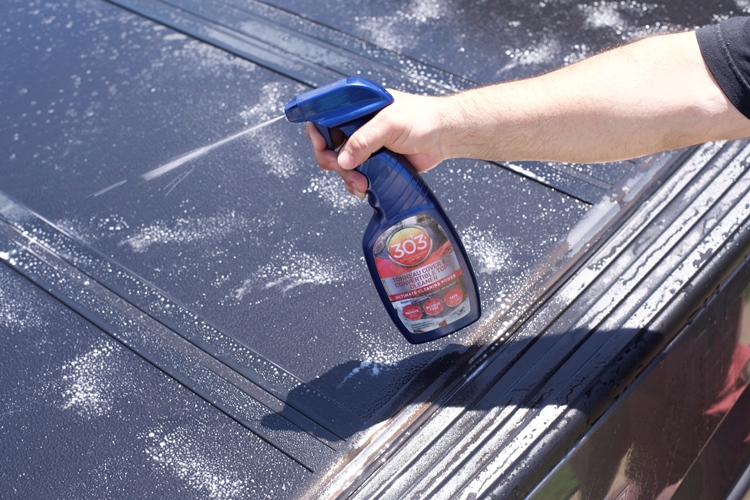
UV protection is critical for maintaining tonneau cover appearance and extending lifespan.
Why UV Protection Matters
UV rays break down vinyl polymers, causing cracking, fading, and brittleness over time.
- Apply protectant every three to six weeks in sunny climates.
- Covers stored in garages show significantly less UV damage.
Top-Rated Protectants
- 303 Aerospace Protectant offers non-greasy, UV-blocking formula safe for vinyl, rubber, and plastic. It restores a semi-gloss finish without attracting dust.
- HydroShield Ceramic Coating provides water-based ceramic protection that beads water and resists contaminants. It dries to a dry-to-the-touch finish with no oily residue.
- Truck Gear by LINE-X Total Care UV Protectant is specifically designed for LINE-X covers and enhances durability of Swift, Stealth, and LXP models.
- VRP by Chemical Guys restores color depth and adds shine to faded black vinyl, though it may require buffing to reduce gloss.
- Duragloss 301 is formulated specifically for tonneau covers and convertible tops, rejuvenating original black appearance without residue or stickiness.
Lemon Pledge: A Household Hack
Some users report success using Lemon Pledge furniture polish to revive faded vinyl.
- Test on a hidden area first.
- Spray on a microfiber cloth and wipe lightly.
- Buff to remove excess, as overuse causes stickiness.
- This method is not recommended for long-term use.
How to Apply Dressing Correctly
- Never spray protectant directly on the cover.
- Apply to a microfiber applicator pad instead.
- Use small circular motions for even coverage.
- For severely faded vinyl, apply two to three thin coats.
- Wipe off excess if a matte finish is preferred.
Restore Faded or Discolored Covers
Covers that have turned brown or chalky require specialized treatment.
Use Specialized Cleaner
- Apply 303 Tonneau Cover and Convertible Top Cleaner.
- Spray on and let sit for three to five minutes.
- Gently scrub with a soft brush.
- Rinse thoroughly and repeat up to three times for heavily oxidized surfaces.
Avoid Armor All
Despite its popularity, Armor All is not recommended for tonneau covers.
- It leaves a greasy film that attracts dust.
- It can degrade vinyl over time.
- It may void manufacturer warranties.
Back to Black: Use With Caution
Designed for plastic trim restoration, Back to Black is risky on tonneau vinyl.
- Test on a small area first.
- It may cause discoloration or texture changes.
- It is not formulated for flexible, exposed surfaces.
Prevent Common Mistakes
Avoiding these errors will protect your investment and extend cover life.
Wrong Cleaners Damage Materials
- Avoid household detergents, bleach, or degreasers.
- These products strip UV inhibitors and accelerate cracking.
- Stick to automotive or marine-grade products specifically designed for vinyl.
Over-Dressing Causes Problems
- Excess protectant becomes sticky and attracts road grime.
- This leads to frequent re-cleaning cycles.
- Use less product, ensuring coverage is even rather than shiny.
Skipping Drying Steps
- Wet vinyl attracts dust and develops water spots.
- Drying is a critical part of protection.
- Never skip this step.
Lubricating Moving Parts
- Do not apply WD-40, silicone spray, or grease to hinges or tracks.
- Lubricants trap dirt and increase wear on mechanisms.
- LINE-X and other brands explicitly advise against lubrication.
Follow Expert Maintenance Tips
Tighten Hardware Regularly
Truck beds flex during driving, loosening bolts and clamps over time.
- Inspect mounting hardware monthly.
- Re-tighten as needed using manufacturer-recommended torque.
- This prevents sagging, misalignment, and wind flap.
Operate Cover as Intended
- Always secure the cover before driving.
- Partially open covers can tear or jam.
- Retractable models must be fully closed or fully open, never left mid-track.
Seek Professional Repair for Damage
- For scratches, dents, or tears, consult a certified installer.
- DIY repairs may worsen damage or void warranties.
- LINE-X locations offer assessment and service for their products.
Long-Term Care Schedule
Cleaning Frequency
- Clean every two to four weeks under normal use.
- Clean weekly in dusty, salty, or high-sun environments.
- Clean immediately after exposure to bird droppings, sap, or road spray.
Ideal Water for Final Rinse
- Use distilled or spot-free water like Rain-X Spot Free.
- This prevents mineral deposits and water spots.
- This is especially important in hard water areas.
Storage Tips
- Remove soft covers during winter if possible.
- Store in a cool, dry place, avoid plastic bags that trap moisture.
- For hard covers, ensure full closure and clean seals before storage.
Key Takeaways for Cleaning Your Tonneau Cover
The key to a long-lasting tonneau cover is consistency, not complexity. Clean regularly with the right tools, dry thoroughly, and apply a quality UV protectant every three to six weeks. Avoid harsh chemicals like household detergents, bleach, and Armor All, as these strip protective coatings and accelerate vinyl degradation. Never lubricate hinges or tracks, as this attracts dirt and may void warranties. By following these steps, your cover will stay functional, secure, and visually sharp for years, protecting both your truck bed and your investment.
Frequently Asked Questions About Cleaning Tonneau Covers
How often should I clean my tonneau cover?
Clean your tonneau cover every two to four weeks under normal conditions. Weekly cleaning is recommended in dusty, salty, or high-sun environments. Always clean immediately after exposure to bird droppings, tree sap, or road salt.
Can I use a pressure washer on my tonneau cover?
No, pressure washers should be avoided. High PSI can force water into seals and damage mechanisms. Use a garden hose with a gentle spray nozzle instead.
What is the best protectant for a tonneau cover?
303 Aerospace Protectant and HydroShield Ceramic Coating are top-rated options. 303 Aerospace provides non-greasy UV protection, while HydroShield offers ceramic-based water repellency with a dry-to-the-touch finish.
How do I remove bird droppings from my tonneau cover?
Mix equal parts white vinegar and water, dab onto the spot with a microfiber cloth, let sit for one to two minutes, then rinse with clean water. Follow with car shampoo to neutralize any residue.
Should I lubricate the hinges on my hard folding tonneau cover?
No, do not lubricate hinges or tracks. LINE-X and other manufacturers explicitly advise against lubrication, as it attracts grime and can void warranties. Keep hinges clean and dry instead.