
Picture this: you’ve just finished a long hike, the sun is dipping below the horizon, and your tent pole snaps. Then you remember, your truck bed is right there, ready to become a cozy sleep platform. Sleeping in a truck bed is a smart alternative to traditional camping, offering fast setup, elevation off damp ground, and protection from critters. Whether you’re a weekend warrior or full-time road tripper, learning how to sleep in truck bed safely turns your pickup into a reliable mobile bedroom.
This guide covers everything from choosing the right mattress and insulating against cold to waterproofing gear and staying secure, all without needing a camper shell. You’ll learn how to match your setup to the weather, prevent common problems, and pack smart for any season.
Choose the Right Sleeping Surface

Pick a Mattress That Fits Your Bed
The foundation of a good night’s sleep starts with a mattress sized to your truck bed. Most full-size beds measure 6.5 to 8 feet long and 4.5 to 6.5 feet wide, so measure yours first. A queen mattress may overhang smaller beds, while twin or full sizes often fit solo campers better. For couples, choose a double air mattress rated for side-by-side comfort. Self-inflating foam pads are lighter and more compact but offer less cushioning.
Compare Air vs. Foam Mattresses
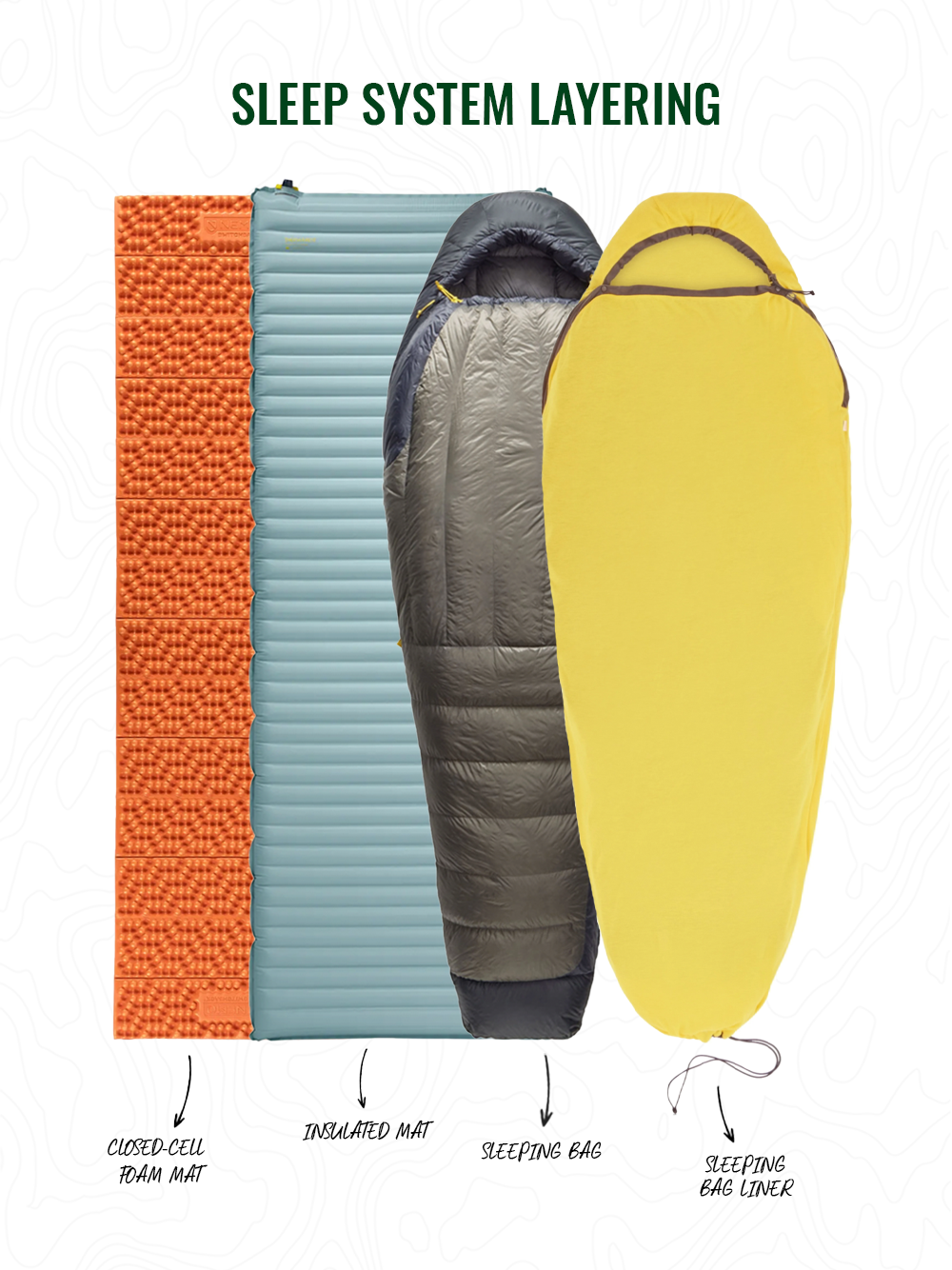
Air mattresses deliver plush comfort with adjustable firmness, especially models featuring built-in electric pumps. Inflate them using a 12V outlet or portable battery for convenience. However, they can lose air overnight in cold weather and risk punctures. Foam-core camping mattresses or self-inflating pads are more durable and provide consistent insulation, making them better for cold climates. Many experienced truck campers use a hybrid setup: an air mattress layered over a closed-cell foam pad for insulation and puncture protection.
Match R-Value to Weather Conditions
R-value measures a sleeping surface’s thermal resistance, and higher numbers mean better insulation from cold ground. For summer camping, an R-value of 2 to 3 works well. When temperatures drop below 50°F (10°C), aim for R-4 or higher. In winter conditions, use a mattress with R-5+ or layer a high-R-value pad under your air mattress. This prevents heat loss through conduction, a major cause of cold sleep even with a warm bag.
Insulate and Layer for All-Season Comfort
Select the Right Sleeping Bag or Quilt
Your bedding choice depends on season and space. For cold weather, use a sleeping bag rated 10°F below the expected low. Down bags offer the best warmth-to-weight ratio but lose insulation when wet. Synthetic bags are heavier but retain warmth when damp, making them ideal for rainy or humid climates. For warmer nights, a lightweight down quilt or breathable blanket setup works well. Double sleeping bags suit couples, but many prefer two separate bags for flexibility.
Add Bedding Layers Strategically
Start with a non-slip cotton mattress pad to prevent shifting and protect your mattress. Add a 1 to 2 inch foam topper for extra cushioning and insulation. Sleeping liners made of silk or synthetic material boost warmth by 5 to 10°F and keep your bag clean. In hot weather, use moisture-wicking sheets to stay cool. Layering multiple thinner blankets lets you adjust warmth throughout the night, which is critical when temperatures swing between day and night.
Protect Against Weather Without a Cap
Secure a Tarp or Tonneau Cover
If your truck lacks a cap, a weatherproof cover is essential. A 10×10 heavy-duty tarp with reinforced grommets can be stretched over the bed and secured with ratchet straps or bungee cords. Attach straps to the truck’s bed anchor points for maximum stability. For better protection, invest in a hard or soft tonneau cover. Hard covers lock, keep gear dry, and provide excellent security. Soft covers roll up for quick access while still shielding against rain and wind.
Prevent Moisture and Condensation
Even with a tarp, moisture can seep in from below or condense inside. Place a waterproof bed liner or rubber mat in the truck bed before setting up your mattress. Elevate your sleeping surface slightly using foam strips or a low-profile platform. Use dry bags for sleeping bags, clothes, and electronics, and never rely on a tarp alone. Open vents or leave a small gap in the cover during humid weather to allow airflow and reduce condensation buildup.
Block Wind and Insects
Wind chill can make nights feel much colder. Use a windbreak tarp or set up a portable canopy on the leeward side of your truck. For bug protection, drape a fine-mesh bug net over the bed opening and secure it with clips or bungees. A pop-up canopy with built-in mesh walls doubles as shade, rain cover, and insect barrier. In hot climates, a battery-powered fan clipped to the bed rail improves airflow and comfort.
Ensure Safety and Stability

Install Bed Rails or Barriers
Falling out of the truck bed during sleep is a real risk, especially on uneven ground. Install portable bed rails or use a barrier made of pool noodles slipped over the bed rails for cushioning. Some campers build a simple wooden or PVC frame that clips into the bed’s stake pockets. Even a rolled-up sleeping pad or backpack along the edge acts as a physical reminder to prevent rolling.
Stop Mattress Slippage
A shifting mattress ruins sleep and can damage your truck bed. Place a non-slip rubber mat, shelf liner, or textured grip pad underneath the mattress. These materials create friction between the mattress and bed floor. Avoid smooth plastic or vinyl surfaces that let the mattress slide. Test the setup by gently rocking the truck to confirm your mattress stays firmly in place.
Secure Gear and Maintain Balance
Use ratchet straps or cargo nets to anchor heavy items like coolers or toolboxes. Uneven weight distribution affects your truck’s handling and can cause tipping on slopes. Store heavy gear low and centered. Keep essentials like headlamps, phones, and water within arm’s reach but secured so they don’t roll away. Always double-check that everything is tied down before driving.
Organize Gear Efficiently
Use Dry Bags and Waterproof Containers
Keep critical items dry with roll-top dry bags or hard-shell waterproof containers. Store sleeping bags, extra clothes, and electronics in separate dry bags labeled for quick access. Stackable plastic bins with gaskets protect gear and make cleaning easier. Avoid cardboard or fabric bags that absorb moisture.
Maximize Space with Bed Liners and Storage
A truck bed liner, whether spray-on, drop-in, or mat style, protects the bed from scratches, water, and dents while providing a non-slip base. For long-term setups, install lockable cargo boxes along the sides or cab wall to keep small items organized and secure. Use under-bed storage trays or slide-out drawers if you frequently camp from your truck.
Free Up Space with Roof Racks
Move bulky gear like spare tires, chairs, or firewood to a roof rack. This keeps the bed clear and reduces weight in the cargo area. Ensure the rack is rated for the load and that your center of gravity remains stable, especially on windy roads or off-road trails.
Boost Comfort with Smart Accessories
Add Pillows and Support
Sleeping on a flat surface can strain your neck. Use an inflatable camping pillow with adjustable firmness or bring a compact memory foam pillow. For side sleepers, a contoured pillow helps maintain spinal alignment. Place a small pillow between your knees to reduce hip pressure. Even a folded jacket works in a pinch.
Install Lighting and Small Surfaces
Drape string lights along the bed rails for ambient lighting. Use a portable LED lantern with dim settings for reading or nighttime trips. A headlamp keeps your hands free. Add a foldable tray or small camping table for meals, drinks, or gear. Hang a mesh pocket organizer on the cab wall to store phones, keys, and snacks within reach.
Regulate Temperature Year-Round
In summer, use a 12V battery-powered fan or solar-powered USB fan to circulate air. Reflective sun shades or a white tarp reflect heat. In winter, place a safe, low-wattage heater like a radiant cabin heater near your feet, and never use propane heaters inside enclosed spaces due to carbon monoxide risk. Wear thermal base layers and use a hot water bottle to pre-warm your sleeping bag.
Set Up Without a Camper Shell
Use the Tarp and Strap Method
For a no-cap setup, the tarp-and-straps method is fast and effective. Lay your mattress and bedding inside the bed. Cover everything with a 10×10 or 12×12 waterproof tarp. Pull it tight over the top and secure each corner with ratchet straps attached to the truck’s tie-down points. Add cross-straps for extra tension. Angle the tarp slightly to shed rain. This setup takes under 10 minutes and keeps gear dry in most conditions.
Build a Canopy Shelter Overhead
For more comfort, set up a freestanding canopy or tarp shelter over the truck bed. Use trekking poles or lightweight poles to create a sloped rainfly. Guy lines and stakes anchor it to the ground. This creates a dry entry zone and extra space for gear. Some campers use a raised cover supported by poles at the corners for a rooftop tent feel.
Follow Proven Setup Best Practices
Test Your System at Home
Never wait until you’re at a campsite to discover a problem. Assemble your entire sleep system in your driveway first. Check for gaps in coverage, mattress slippage, and gear accessibility. Simulate rain with a garden hose to test waterproofing. Adjust strap lengths and tarp angles until everything stays dry and secure.
Prepare the Truck Bed First
Remove all debris, sharp objects, and loose items. Sweep the bed and inspect for rust or sharp edges that could puncture your mattress. Install the bed liner and non-slip mat. Lay down your insulation layer before placing the mattress to prevent damage and ensure stability.
Pack an Emergency Kit
Keep a small emergency kit in the cab with first aid supplies, a flashlight, whistle, multi-tool, and backup power bank. Store a charged phone in a waterproof case. Know the weather forecast and have a plan to evacuate if storms hit. Always tell someone your location before overnight camping.
Follow Legal and Environmental Rules
Respect Camping Regulations
Not all areas allow overnight parking or truck camping. Check local ordinances, national park rules, and BLM land policies. Use designated campgrounds when available. Avoid private property unless you have permission. Some cities ban sleeping in vehicles in public lots, so research ahead to avoid fines.
Practice Leave-No-Trace Ethics
Pack out all trash, including food scraps and hygiene products. Use a portable toilet or wag bag if no facilities are available. Keep noise down after dark and avoid driving off established roads. Store food in bear-proof containers if you’re in wildlife areas.
Protect Your Vehicle
Don’t exceed your truck bed’s weight limit, which is typically 1,500 to 2,000 lbs for full-size trucks. Heavy loads reduce fuel efficiency and strain suspension. If you modify your truck for camping, check whether it voids your warranty and ensure your insurance covers camping gear and installed accessories.
Frequently Asked Questions About Sleeping in a Truck Bed
What Size Mattress Fits in a Truck Bed?
Most full-size truck beds measure 6.5 to 8 feet long and 4.5 to 6.5 feet wide. A twin or full air mattress fits solo campers, while a double mattress works for couples. Always measure your bed before buying to avoid overhang.
How Do You Sleep in a Truck Bed Without a Cap?
Use a 10×10 heavy-duty tarp secured with ratchet straps or bungee cords attached to the bed’s tie-down points. A hard tonneau cover provides better security and weather protection for long-term setups.
What R-Value Do You Need for Cold Weather Camping?
Use an R-value of 4 or higher when temperatures drop below 50°F (10°C). For winter conditions, choose R-5+ or layer a high-R-value pad under your air mattress to prevent heat loss through the ground.
How Do You Keep a Mattress from Slipping in a Truck Bed?
Place a non-slip rubber mat, shelf liner, or textured grip pad under the mattress. These create friction between the mattress and the bed floor. Test by gently rocking the truck to confirm stability.
Is It Legal to Sleep in Your Truck Bed Anywhere?
No. Many cities ban overnight sleeping in vehicles in public lots, and national parks require permits or designated campgrounds. Always research local ordinances and BLM policies before parking overnight.
How Do You Stay Warm in a Truck Bed in Winter?
Combine a high-R-value mattress with a sleeping bag rated 10°F below expected lows. Use a foam topper, thermal liners, and moisture-wicking base layers. Avoid propane heaters in enclosed spaces due to carbon monoxide risk.
Key Takeaways for Sleeping Comfortably in a Truck Bed
Sleeping in a truck bed is a practical, comfortable way to enjoy the outdoors with minimal setup. Start by choosing a mattress that fits your bed and matches your climate’s R-value requirements. Layer your bedding strategically, combining foam toppers, mattress pads, and sleeping bags rated for expected temperatures. Protect against weather with tarps or tonneau covers, and always use dry bags for critical gear. Secure your mattress with non-slip mats and add bed rails to prevent rolling. Finally, test your full system at home before your trip, pack an emergency kit, and follow local camping regulations.
Your next step: lay out all your gear in the driveway this weekend, inflate your mattress, and run through the full setup. Identifying problems at home is far easier than troubleshooting in the dark at a remote campsite.