Building a flatbed truck bed transforms your pickup into a versatile workhorse tailored to your hauling demands. Whether you transport equipment for a contracting business, haul farm supplies, or need a rugged platform for weekend projects, a custom flatbed offers more payload space, easier loading, and longer durability than a factory bed. The process starts with selecting a proven design and progresses through accurate measuring, material selection, fabrication, and finishing. This guide covers every stage of how to build a flatbed truck bed, from choosing a series to maintaining your finished build for years of reliable service.
Choose Your Flatbed Series

Your first decision when learning how to build a flatbed truck bed is selecting the right series. Each design offers different features that affect construction complexity, cost, and functionality. Matching the series to your workload prevents overbuilding or underbuilding your bed.
6000 Series: Basic Flat Platform
The 6000 Series is the simplest design, making it ideal for first-time builders. This open platform supports optional top-mounted toolboxes and delivers maximum usable deck area.
• Open layout accommodates oversized cargo
• Aftermarket toolboxes can be added on top
• Easiest design to fabricate from raw steel
• Suited for light to medium-duty hauling
For a 6000 Series build, focus on a strong frame with crossmembers spaced 16 to 24 inches apart. Use 2” x 3” rectangular tubing for the main rails and 1/8” steel plate for the deck.
7000 Series: Hinged Side Rails
The 7000 Series adds hinged side rails to the basic flatbed. These rails fold down for easy side loading and lock upright to secure cargo during transport.
• Hinges enable flexible loading configurations
• Rails constructed from welded steel tubing
• Locking pins or latches hold rails in the raised position
Reinforce the perimeter with vertical posts welded to the frame when building this version. Attach the rails using heavy-duty lift-off hinges, and add a rubber seal along the rail base to keep water off the deck.
8000 and 9000 Series: Skirted Designs
The 8000 Series features a skirted bed with optional top toolboxes, while the 9000 Series combines skirting with hinged side rails. Both require accurate cab-to-axle measurements to ensure the fenders align with the wheels. The 136”-4 model includes four skirt-mounted toolboxes, and the 136”-6 includes six, saving deck space while protecting gear inside lockable compartments.
Measure Your Truck Accurately
Accurate measurements are critical when you build a flatbed truck bed. Errors lead to poor fit, safety hazards, and wasted materials. The cab-to-axle distance matters most for skirted models.
Determine Cab-to-Axle (CA) Distance
For 8000 and 9000 Series beds, measure from the back of the cab to the center of the rear axle. This ensures the fenders align with the wheels and provide proper tire coverage.
• Run a tape measure along the frame rail
• Measure both sides to confirm symmetry
• Record the exact dimension in inches
Modified trucks or damaged frames can produce inconsistent measurements. Always double-check before ordering parts or cutting steel. A mismatched CA leaves tires exposed or causes interference with suspension components.
Confirm Bed Length and Width
Beyond CA, verify overall bed dimensions. Standard flatbeds run 136 inches long, though you may need to customize based on your wheelbase.
• Measure from the cab cutout to the tailgate area
• Account for bumper clearance and rear overhang
• Match or slightly exceed the truck frame width
Remember to leave space for fuel tanks, exhaust components, and spare tires beneath the bed.
Select Materials and Tools
Quality materials and proper tools determine whether your flatbed lasts decades or fails prematurely. Cutting corners here compromises both safety and longevity.
Required Steel Components
Structural-grade steel is essential for the frame and load-bearing surfaces. Avoid thin-gauge or recycled metal that warps under heavy loads.
• Main longitudinal rails: 2” x 3” x 1/8” rectangular tubing
• Crossmembers: 2” x 2” or 2” x 3” tubing, spaced 16 to 24 inches
• Decking: 1/8” steel plate or 12-gauge diamond plate
• Side rails: 1.5” x 1.5” or 2” x 2” tubing
For skirted models, add 16-gauge sheet metal panels to enclose the sides and wheel wells. Skirts improve aerodynamics and deliver a cleaner finished appearance.
Essential Fabrication Tools
Welding and cutting equipment are required for assembly. If you lack welding experience, partner with a certified welder for safety-critical joints.
• MIG or stick welder with 7018 rods
• Angle grinder with cutoff and grinding wheels
• Tape measure, framing square, and clamps
• Drill with metal bits and tapping set
• Safety gear including gloves, helmet, apron, and eye protection
Cut all pieces to size before welding. Dry-fit the frame on the truck to verify alignment, then tack-weld first and return for full passes once everything is square.
Fabricate the Frame
The frame is the backbone of your flatbed. It must support heavy loads without flexing, cracking, or twisting. Proper design and welding technique are non-negotiable.
Assemble Longitudinal Rails and Crossmembers
Lay out the two main side rails parallel to each other, positioned just inside the truck frame rails to allow clearance for mounting hardware.
• Cut crossmembers to fit between side rails
• Space them every 16 to 24 inches for even load distribution
• Use a framing square to verify 90-degree angles
Tack-weld each crossmember, then check for level and squareness before completing welds. Add gussets at joints if you regularly carry heavy or uneven loads.
Reinforce High-Stress Areas
The front cab mount and pivot points endure the greatest stress. Strengthen these zones with additional bracing.
• Add gussets at the cab mount and pivot points
• Use 3/16” steel for front crossmembers
• Consider diagonal bracing for beds longer than 12 feet
A poorly reinforced frame can crack under road vibration or hard braking. Invest extra time in these zones during fabrication.
Install the Decking

After completing the frame, attach the deck surface to create a smooth, durable platform for cargo. Proper attachment prevents rattling and extends the life of both deck and frame.
Weld or Bolt the Deck Plate
You can weld the steel plate directly to the frame or bolt it down for easier removal and maintenance.
• For welding: use stitch welds spaced 6 to 8 inches apart
• For bolting: pre-drill holes and secure with lock washers
• Leave small gaps between plates to allow thermal expansion
If you choose diamond plate, align the pattern consistently for a professional appearance. Grind down sharp edges to prevent injuries during loading and unloading.
Add Skirting for 8000 and 9000 Series
Skirted beds include side panels covering the wheels and frame. These panels are standard on 8000 and 9000 Series builds.
• Cut sheet metal to fit between the rails
• Attach with pop rivets or self-tapping screws
• Seal edges with butyl tape to block moisture
Ensure the fenders align with the wheels before final installation. Skirts must not contact tires during turns or suspension travel. Trim panels as needed for clearance.
Mount the Bed to Your Truck
Secure installation is essential for safety. The bed must be firmly anchored to the truck’s frame, not simply resting on the factory bed mounts.
Use Frame-Mounted Brackets
Remove the original bed and locate the frame rails. Install heavy-duty mounting brackets at key stress points along the frame.
• Front mounts: positioned near the cab using existing holes or new brackets
• Mid-ship mounts: placed over the axle for load support
• Rear mounts: installed just forward of the rear bumper
Use Grade 8 bolts with lock nuts and torque them to manufacturer specifications. Inspect the mounts regularly for loosening or wear, especially after heavy hauling.
Test for Stability and Clearance
After mounting, rock the bed side to side to check for movement. A properly installed bed should feel completely solid.
• Confirm no contact with tires or suspension components
• Verify tailgate or rear bumper clearance
• Ensure any wiring is secured and protected from abrasion
Take a short test drive on smooth pavement before loading any cargo. Listen for unusual noises and recheck all fasteners after the drive.
Add Toolboxes and Accessories
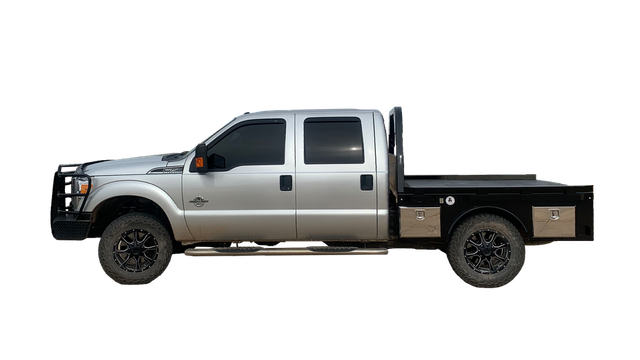
Once the base bed is complete, accessories add functionality and convenience. Storage solutions keep tools secure and within easy reach.
Install Top-Mounted Toolboxes
The 6000 and 8000 Series support toolboxes mounted directly on the deck. These keep tools secure without consuming under-skirt space.
• Choose waterproof, lockable boxes for tool security
• Mount with bolts and rubber gaskets to prevent leaks
• Position near the cab for convenient access
Avoid loading one side heavily, which unbalances the truck. Distribute toolbox weight evenly across the deck.
Integrate Skirt-Mounted Storage
Models like the 136”-4 and 136”-6 feature toolboxes built directly into the skirts. This design saves deck space and protects contents from weather and theft.
• 136”-4: four toolbox compartments integrated into the skirts
• 136”-6: six toolbox compartments for expanded storage
When building this style, frame the boxes into the skirt structure using 16-gauge steel. Add positive-latch doors with weather seals, and route drainage holes to the exterior to prevent water pooling inside compartments.
Maintain Your Flatbed
A well-built flatbed delivers decades of service with proper care. Routine maintenance prevents rust, weld failure, and structural fatigue before they become serious problems.
Inspect Welds and Mounts Monthly
Check all welds, especially at crossmembers and corners, for cracks. Watch for signs of frame flex or bolt wear after heavy use.
• Tighten loose hardware immediately
• Repair small cracks with weld patches before they spread
• Replace corroded steel sections promptly
Pay extra attention after heavy hauling trips or off-road driving. Vibration and impacts accelerate wear at stress points.
Prevent Rust and Corrosion
Steel rusts quickly in wet or salty environments. Protective coatings and regular cleaning extend the life of your flatbed significantly.
• Wash the bed regularly to remove road salt and debris
• Apply rust-inhibiting primer and paint to all steel surfaces
• Use undercoating on the frame and skirt panels
Keep drain holes clear and avoid letting debris accumulate on the deck, where trapped moisture accelerates corrosion.
Frequently Asked Questions About Building a Flatbed Truck Bed
What is the easiest flatbed series to build?
The 6000 Series is the simplest design for DIY builders. It features an open platform with optional top-mounted toolboxes and requires the least complex fabrication. This makes it an excellent starting point if you are learning how to build a flatbed truck bed for the first time.
Why do I need to measure cab-to-axle for some flatbeds?
Cab-to-axle (CA) measurement ensures the fenders align correctly with the wheels on skirted models like the 8000 and 9000 Series. Incorrect CA measurements cause exposed tires or interference with suspension components, creating safety hazards and clearance problems.
What thickness steel should I use for a flatbed frame?
Use 2” x 3” x 1/8” rectangular tubing for the main longitudinal rails and crossmembers. For high-stress areas like the front cab mount, upgrade to 3/16” steel to handle vibration and load impact without cracking.
Can I add toolboxes to any flatbed series?
Top-mounted toolboxes can be added to 6000 and 8000 Series beds. The 8000-4 and 8000-6 models also feature integrated skirt-mounted toolboxes. The 7000 and 9000 Series focus on hinged side rails rather than toolbox storage.
How do I prevent my flatbed from rusting?
Wash the bed regularly to remove road salt and debris, apply rust-inhibiting primer and paint, and use undercoating on the frame and skirting. Keep drain holes clear and inspect welds monthly for early signs of corrosion.
Should I weld or bolt the deck plate?
Welding creates a stronger, more permanent bond suited for heavy-duty use. Bolting allows easier removal for maintenance or replacement. Choose welding for maximum strength and bolting if you anticipate needing to access the frame beneath the deck.
Final Thoughts on Building a Flatbed Truck Bed
Learning how to build a flatbed truck bed rewards you with a custom platform tailored to your exact hauling needs. Start by selecting the right series, whether that is the simple 6000, the rail-equipped 7000, or the skirted 8000 or 9000. Measure your truck carefully, especially the cab-to-axle distance for skirted models, and invest in structural-grade steel and proper welding equipment. Reinforce high-stress areas, mount the bed securely with Grade 8 hardware, and protect every steel surface against rust.
Your next step is to gather your materials, take precise measurements, and begin fabrication. Every product mentioned is made in the USA, and you can call (308) 697-4698 for ready-made options or expert guidance on your custom build.