If you’ve ever struggled to see inside your truck bed after dark, you know how frustrating poor visibility can be. Loading gear, working on a project, or setting up camp becomes a guessing game without proper illumination. Installing truck bed lighting is a smart upgrade that boosts both functionality and safety. With so many truck bed lighting ideas available today, there’s a solution for every need and budget.
Whether you drive a 2023-2027 Toyota Tundra or another model, adding lighting to your cargo area can transform how you use your truck at night. This guide covers proven lighting options, installation tips, waterproofing advice, and control methods. Everything is based on real user experiences and practical setups shared by truck owners who’ve already made the upgrade.
Choose the Right Light Type

The first step in upgrading your truck bed lighting is selecting the best type of light for your needs. Different setups offer varied brightness, coverage, and installation complexity.
LED Strip Lights for Even Illumination
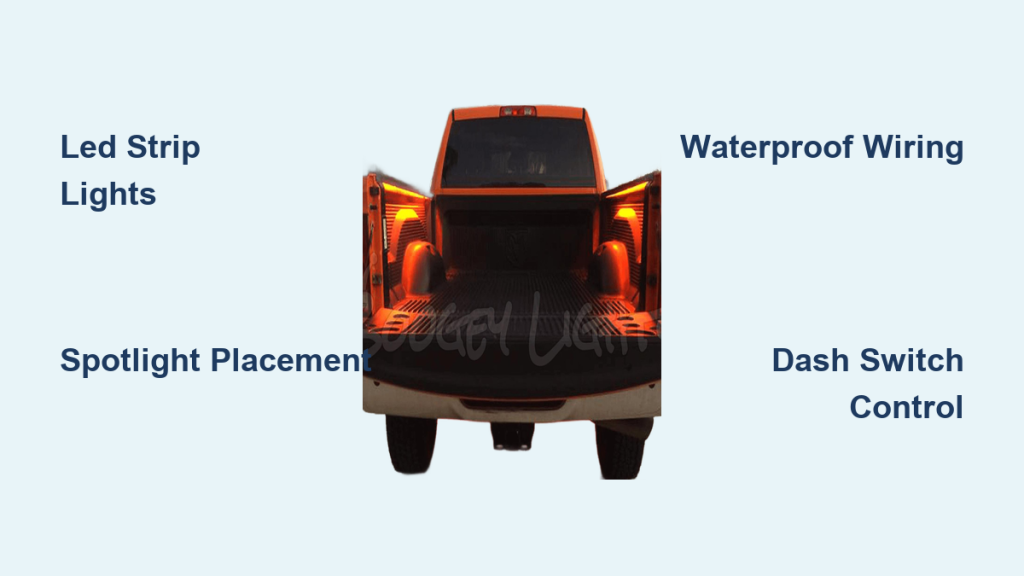
Long LED strips provide smooth, continuous lighting across the bed. Many users prefer 60-inch strips mounted along the ceiling or bed rails. These lights deliver wide coverage and a clean, factory-like appearance. Look for models with remote control or dimming features to adjust brightness on demand. Since they’re flexible, strips can be shaped around curves and tucked into corners for discreet installation.
Pro Tip: Use adhesive-backed strips with IP65 or higher ratings to ensure dust and moisture resistance. This matters most for trucks exposed to the elements.
LED Spotlights for Focused Brightness
If you need intense, targeted lighting, LED spotlights are a top choice. Mounted on bed rails or corners, these lights project a narrow beam that highlights specific areas. They’re excellent for nighttime work, repairs, or setting up camp gear. Users report success with 12V spotlights wired to a dash switch, allowing instant access without fumbling for remotes.
Warning: Avoid aiming spotlights directly into the rear window to prevent glare while driving.
Ceiling-Mounted LED Panels
For a premium lighting experience, consider a rigid LED panel mounted on the bed ceiling. These panels mimic overhead lighting and distribute brightness evenly across the entire cargo area. Some models include dimmer switches, letting you adjust the ambiance from task lighting to soft glow. While slightly more expensive, they offer superior light quality and a sleek, modern look.
Installation Note: These often require a relay and direct battery connection for stable power, especially if using high-output models.
Power and Wiring Solutions
How you power your lights impacts reliability, safety, and ease of use. The best truck bed lighting ideas include smart wiring strategies to prevent drain and ensure long-term performance.
Tap Into the Fuse Box
Many users connect their lights to the vehicle’s fuse box using a fuse tap. This method provides a switched power source (on with the ignition) or constant power, depending on the circuit. It’s a clean, reliable option that avoids running wires all the way to the battery.
Steps:
1. Locate an available 12V accessory port in the fuse box.
2. Use a matching fuse tap to connect your lighting circuit.
3. Run wires through the cab and along the bed rail.
4. Secure with zip ties and grommets to prevent chafing.
Safety First: Always disconnect the battery before working with the fuse box.
Use a Relay for High-Draw Lights
For LED panels or multiple lights drawing significant power, use a relay to protect your vehicle’s electrical system. A relay acts as a switch, allowing a low-current signal (like from a dash switch) to control a high-current circuit safely.
Why It Matters: Prevents overheating, voltage drops, and potential damage to switches or wiring.
Battery-Powered Lights for No-Wire Setup
Not ready to run wires? Battery-powered LED lights offer instant lighting with zero installation. These portable units are perfect for occasional use like camping, tailgating, or emergency loading.
Limitations: Battery life varies, and lights must be recharged or replaced. Not ideal for daily drivers needing consistent lighting.
Best Use Cases: Temporary jobs, rental trucks, or backup lighting during DIY installations.
Waterproofing and Durability Tips

Truck beds are exposed to rain, snow, and road debris. Your lighting setup must withstand harsh conditions to last.
Seal All Wiring Entry Points
Where wires enter the cab or light housing, moisture can sneak in. Use silicone sealant around grommets and drilled holes to create a watertight barrier. This prevents corrosion and electrical shorts over time.
Visual Cue: Look for dampness or rust around wire paths. These are early signs of poor sealing.
Choose IP65 or Higher-Rated Lights
The IP (Ingress Protection) rating tells you how well a light resists dust and water. For truck beds, aim for at least IP65:
– 6: Fully dust-tight
– 5: Protected against low-pressure water jets
Higher ratings like IP67 (submersible for short periods) offer even better protection, especially for off-road or wet climates.
Protect Connectors with Heat Shrink Tubing
Standard electrical tape isn’t enough for outdoor use. Instead, use heat shrink tubing on all wire connections. It forms a tight, waterproof seal that lasts longer and resists vibration.
Pro Tip: Add dielectric grease inside connectors to further prevent corrosion.
Control Options for Convenience
How you turn your lights on and off affects usability. The best truck bed lighting ideas include smart control methods tailored to your habits.
Install a Dash-Mounted Switch
A hardwired dash switch gives instant, reliable control. Mount a rocker or push-button switch in an accessible location like near the driver’s knee or on an empty switch pod.
Advantages:
– No remote to lose
– Works even if batteries die
– Professional, integrated look
Wiring Tip: Use a switched ignition source so lights turn off automatically when the truck is off. This prevents battery drain.
Use Remote-Controlled LED Strips
Many LED strips come with infrared or RF remotes, letting you adjust brightness, color (if RGB), and on/off states from a distance. Great for users who want flexibility without extra wiring.
Downside: Remotes can be misplaced, and some models require line-of-sight.
Combine Motion Sensors for Hands-Free Use
For ultimate convenience, pair your lights with a motion sensor. Install a PIR (passive infrared) sensor near the bed opening so lights turn on automatically when you approach.
Ideal For: Users who frequently load or unload at night with their hands full.
Custom and Integrated Lighting Upgrades
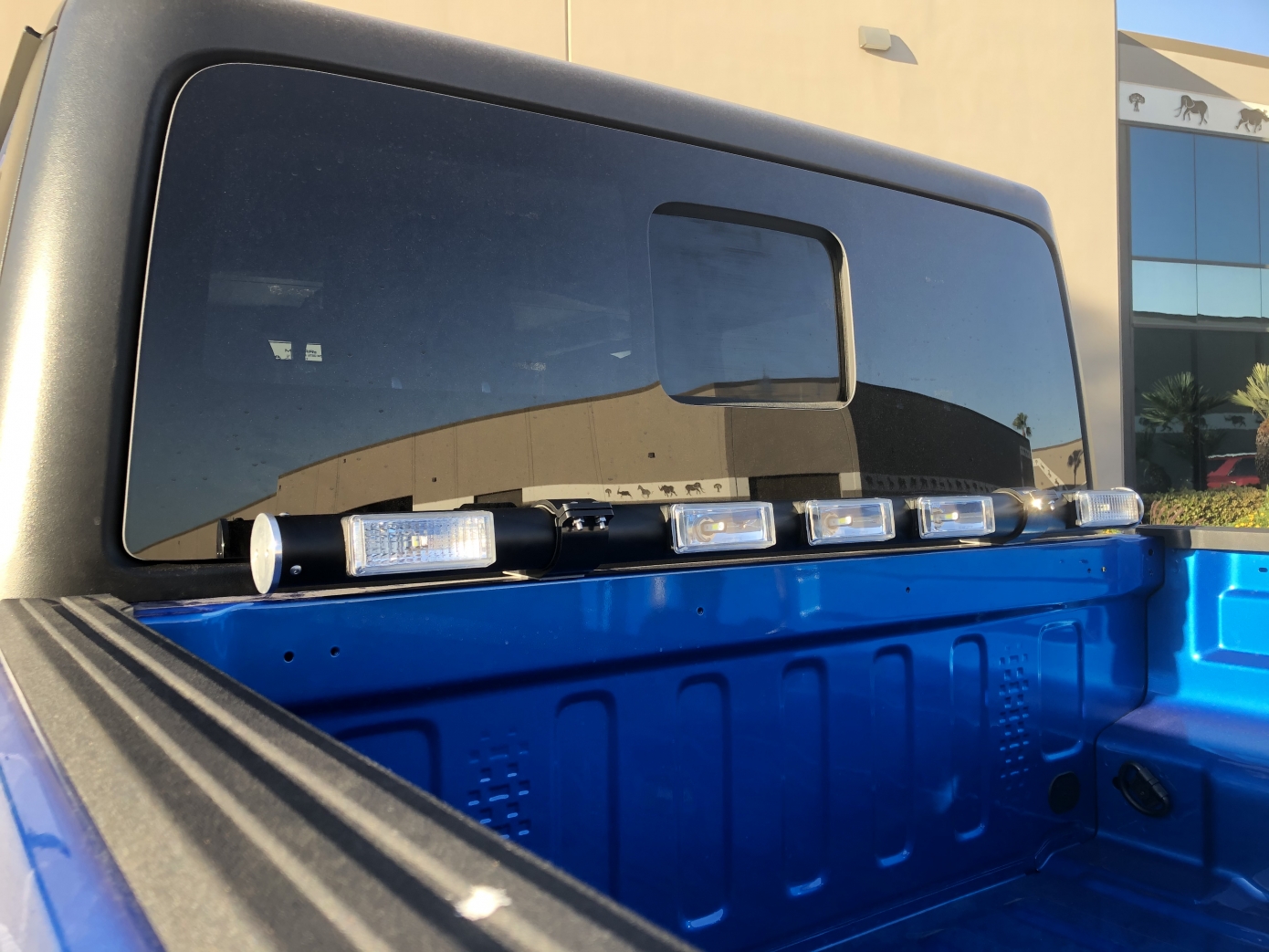
For a polished, factory-style finish, consider custom lighting solutions that blend with your truck’s design.
Install a Rigid LED Light Bar
A custom LED bar mounted across the rear of the bed offers powerful, wide-angle lighting. Some users have these professionally installed to ensure clean routing and secure mounting.
Benefits:
– High lumen output
– Weatherproof and durable
– Enhances truck’s appearance
Design Tip: Choose a bar with a clear lens and low-profile housing to match OEM styling.
Conceal Wiring Along Bed Rails
For a clean look, run wires inside or along the bed rails. Use plastic trim removal tools to gently pull back interior panels and hide cables from view.
What to Look For: Factory rubber grommets where wires pass through. Use these to maintain water resistance.
Match Lighting to Truck Color Temperature
Avoid harsh blue or yellow lights that clash with your truck’s look. Stick to 5000K–6000K (cool white) for a modern, daylight-like appearance that enhances visibility without glare.
Common Mistakes to Avoid
Even simple lighting projects can go wrong without proper planning. Learn from others’ missteps.
Overlooking Battery Drain
Leaving lights on a constant power source without a timer or switch can drain your battery. Always use a switched circuit or install an auto-off feature.
Fix: Add a delay relay that turns lights off 5–10 minutes after the truck is off.
Using Indoor-Grade LED Strips
Some cheap LED strips are meant for indoor use only. They yellow, peel, or fail when exposed to UV light and moisture.
Solution: Buy automotive-grade strips with UV-resistant coating and strong adhesive backing.
Skipping Ground Wire Connection
A poor ground connection causes flickering or dim lights. Always connect the ground wire to a clean, unpainted metal surface on the truck’s frame.
Test: Use a multimeter to check continuity between the ground point and battery negative.
Maintenance and Longevity Tips
Keep your truck bed lighting working like new with simple upkeep.
Clean Lights Regularly
Dirt, grime, and salt buildup reduce brightness. Wipe down LED strips and housings during routine washes.
Do Not Use: High-pressure sprayers directly on light ends or connectors.
Inspect Wiring Every 6 Months
Check for loose connections, cracked insulation, or rodent damage, especially if your truck is parked outdoors.
Quick Check: Turn on lights and gently wiggle wires to see if they flicker.
Replace Batteries in Remote Systems
If using remote-controlled or battery-powered lights, replace batteries annually or sooner if response slows.
Frequently Asked Questions About Truck Bed Lighting
What type of LED light works best for truck bed lighting?
LED strip lights, spotlights, and ceiling panels are all popular choices. Strips provide even coverage, spotlights offer focused brightness, and ceiling panels deliver premium ambiance. Your choice depends on how you use your truck bed.
How do you power LED lights in a truck bed?
Most users tap into the fuse box with a fuse tap for switched or constant power. High-draw setups use a relay connected to the battery. Battery-powered options exist for temporary or portable needs.
Are LED strip lights waterproof enough for a truck bed?
LED strips rated IP65 or higher handle rain, dust, and road spray well. For maximum protection, choose IP67-rated strips and seal all wiring entry points with silicone.
Can you install truck bed lighting without modifying the electrical system?
Yes. Battery-powered LED lights require no wiring and can be placed anywhere. However, they’re best for occasional use rather than permanent daily lighting.
Do truck bed lights drain the battery?
Only if wired to constant power without a switch or timer. Use a switched ignition source or add a delay relay to ensure lights turn off when the truck is off.
Is professional installation recommended for truck bed lighting?
DIY installation works well for simple strip or spotlight setups. For custom light bars, ceiling panels, or complex relay wiring, professional installation ensures clean routing and long-term reliability.
Final Thoughts: Upgrade Your Nighttime Utility
Adding truck bed lighting is one of the most practical upgrades you can make. Whether you choose simple LED strips, powerful spotlights, or a custom light bar, the right setup improves safety, convenience, and versatility. Focus on waterproofing, clean wiring, and user-friendly controls to get the most out of your investment.
With real-world insights from truck owners and proven installation methods, you can find the perfect lighting solution that fits your lifestyle. Whether you’re a weekend warrior, contractor, or outdoor adventurer, there’s a setup that matches your needs.
Next Steps: Explore LED kits with high IP ratings, plan your power source, and decide between DIY or professional installation. Your truck bed doesn’t have to stay in the dark.