A torn or malfunctioning truck bed cover can leave your cargo exposed to rain, dust, and theft. Most cover issues stem from worn seals, loose hardware, or alignment problems that worsen over time. Ignoring minor damage often leads to water leaks and costly full replacements.
This guide walks you through diagnosing and repairing the most common truck bed cover problems. You will learn which fixes you can handle at home, what tools you need, and when professional help makes more sense.
Identify Your Truck Bed Cover Type Before Repairing
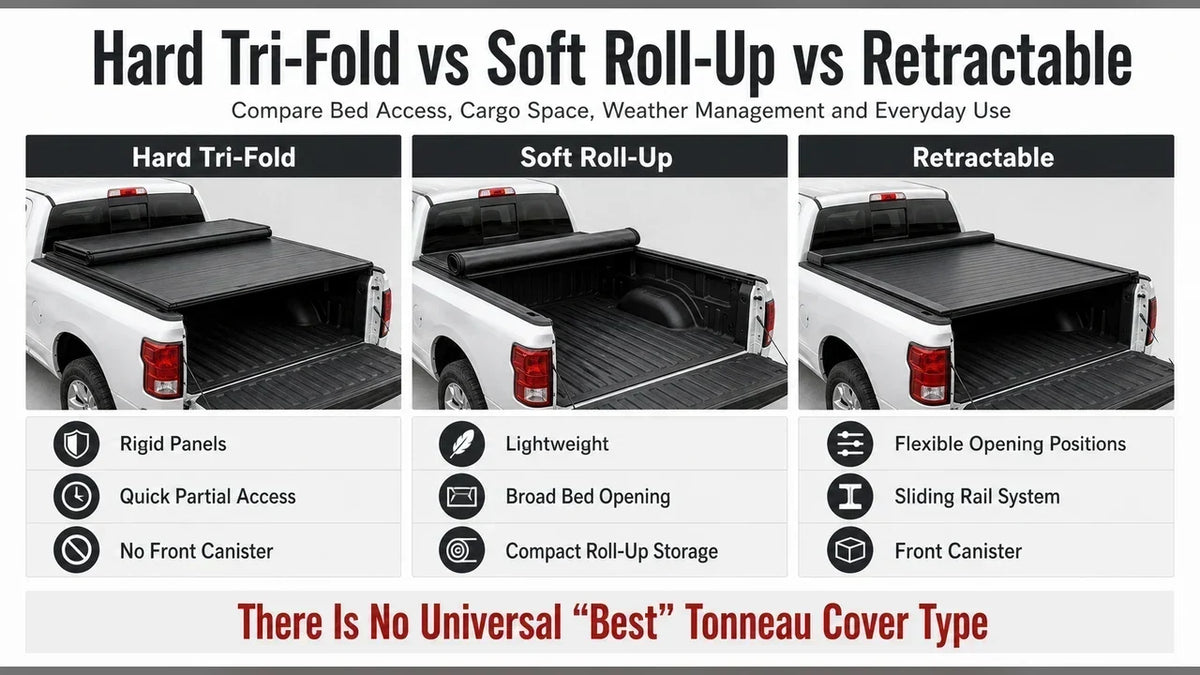
Knowing your cover style determines which repair methods apply. Each design has unique failure points and maintenance needs.
Soft Roll-Up Tonneau Covers
These covers use vinyl or canvas material stretched over a frame. They roll toward the cab and secure with straps or snaps. Common problems include fabric tears, failed snaps, and stretched rails.
Hard Folding Covers (BakFlip, Extang Solid Fold)
Hard folding covers feature aluminum or fiberglass panels connected by hinges. They fold up accordion-style against the rear window. Typical issues involve broken hinges, latch failure, and panel misalignment.
Retractable Covers
Retractable covers slide into a canister mounted behind the cab. Problems usually involve spring tension loss, track debris, or cable failure.
One-Piece Fiberglass or Hardtop Covers
These solid covers lift on gas struts or manual props. Frequent issues include strut failure, prop rod breakage, and seal deterioration.
Diagnose the Specific Problem With Your Truck Bed Cover
Before grabbing tools, pinpoint exactly what is failing. Accurate diagnosis saves time and prevents unnecessary part replacement.
Check for Water Leaks First
Water intrusion is the most reported complaint. Run a garden hose over your closed cover while inspecting the bed interior. Look for drips near the tailgate seal, cab header, and side rails.
Inspect Latching Mechanisms
Failed latches prevent proper closure and create security gaps. Test each latch by closing the cover and pulling upward. Any movement indicates a worn striker or loose mounting bolt.
Examine the Seals and Gasket Material
Rubber seals compress and crack with age. Press along all edges with your fingers to find hardened or missing sections. Sun-damaged seals often crumble when touched.
Fix Torn Vinyl on Soft Truck Bed Covers
Fabric damage is the most repairable issue for soft covers. Small tears and pinholes respond well to patch kits.
Gather Your Repair Materials
You will need a vinyl repair kit matching your cover color, rubbing alcohol, clean cloths, and a small brush. Most kits include adhesive and backing patches.
Clean and Prep the Damaged Area
Wipe the torn area with rubbing alcohol to remove dirt and oils. Let it dry completely before applying any adhesive. Trim loose threads around the tear with scissors.
Apply the Patch Correctly
Cut a patch 1 inch larger than the tear on all sides. Apply adhesive to both surfaces and press firmly. Place a weight on the patch for 24 hours to ensure full bonding.
Repair Broken Latches on Tonneau Covers
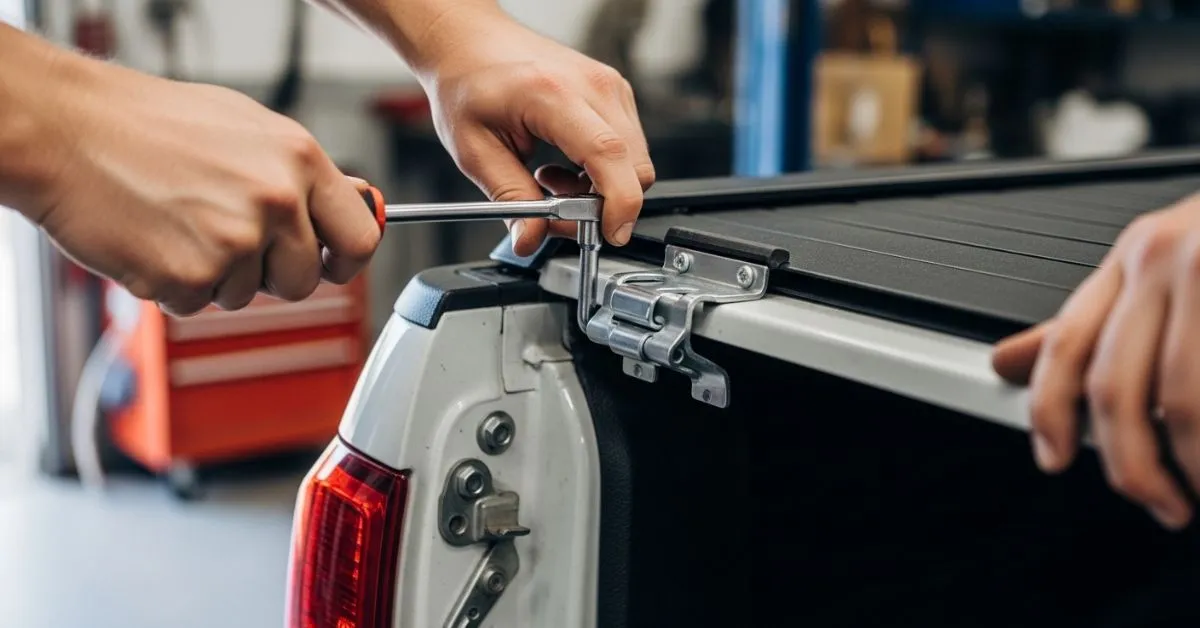
Latches wear out faster than any other component because they absorb repeated impact during closure.
Tighten or Replace Loose Striker Bolts
Most latch failures trace back to stripped mounting holes. Remove the striker, fill old holes with epoxy, and re-drill slightly offset positions. This creates fresh threads for stronger holding power.
Adjust Misaligned Latch Components
If your latch clicks but does not hold, the striker is likely misaligned. Loosen the striker bolts and shift it up, down, forward, or backward until engagement feels solid.
Replace Worn Latch Hardware
When adjustment fails, install a replacement latch assembly. Most aftermarket latches fit common cover brands and install with basic hand tools in under 30 minutes.
Restore Proper Alignment to Truck Bed Cover Rails
Rails that shift out of position cause gaps, leaks, and difficulty closing the cover.
Check Rail Mounting Hardware
Inspect each clamp or bolt securing the rails to the bed rails. Tighten any that have loosened from vibration. Replace corroded hardware with stainless steel alternatives.
Clean Debris From Rail Channels
Dirt buildup in rail channels creates binding and uneven movement. Vacuum out debris and wipe channels with a silicone lubricant. This restores smooth operation on roll-up and retractable designs.
Shim Low Spots on Uneven Rails
If rails sit uneven despite clean hardware, insert thin shims beneath low points. This corrects alignment without requiring rail replacement.
Replace Weather Seals on Hard Folding Covers
Seal deterioration allows water intrusion and increases wind noise at highway speeds.
Remove Old Sealant and Adhesive
Pry out old seals carefully to avoid scratching panel edges. Use a plastic scraper and adhesive remover to clean the mounting surfaces completely.
Measure and Cut New Seal Material
Measure each seal channel and cut replacement material to exact length. Allow a slight overlap at corners for continuous protection against moisture.
Secure New Seals With Weatherproof Adhesive
Apply marine-grade adhesive to the channel and press the new seal into place. Close the cover and leave it shut for 48 hours to allow proper curing.
Address Hinge Failure on Folding Tonneau Covers

Broken hinges prevent proper folding and can cause sudden panel drops.
Inspect Hinge Pins for Wear
Worn pins allow excessive panel movement. Remove the pin and compare its diameter against a new replacement. Replace any pin showing visible grooving or corrosion.
Lubricate Working Hinges
Apply white lithium grease to functioning hinges twice yearly. This prevents seizing and extends service intervals.
Replace Damaged Hinge Assemblies
Cracked or bent hinge bodies require full replacement. Match the hinge part number from your cover manufacturer to ensure proper fit and clamping strength.
Maintain Your Truck Bed Cover to Prevent Future Repairs
Preventive care dramatically reduces repair frequency and extends cover lifespan.
Clean Covers Monthly With Appropriate Products
Use cover-specific cleaners rather than household detergents. Harsh chemicals break down vinyl coatings and aluminum finishes. Rinse thoroughly after each wash.
Lubricate Moving Parts Every Season
Apply silicone spray to latches, hinges, and rail channels each spring and fall. This prevents rust formation and keeps mechanisms operating smoothly.
Store Soft Covers Properly in Winter
If you remove a soft cover for winter, store it flat in a climate-controlled space. Folding creates permanent creases that weaken fabric over time.
Frequently Asked Questions About Truck Bed Cover Repair
Can I repair a truck bed cover myself?
Yes, most latch, seal, and alignment repairs suit DIY skill levels. Fabric patching requires only basic tools and patience. Structural damage to fiberglass panels typically needs professional attention.
How long does a truck bed cover repair take?
Simple fixes like latch adjustment or seal replacement take under one hour. Fabric repairs need 24 hours of curing time before the cover returns to service.
What causes truck bed covers to leak?
Leaks typically come from failed seals, misaligned rails, or damaged drain tubes in retractable designs. Running water over the closed cover quickly identifies the entry point.
Are truck bed cover replacement parts universal?
Most latches, seals, and hardware fit multiple brands, but hinges and panels are usually model-specific. Always verify part numbers with your cover manufacturer before ordering.
How much does professional truck bed cover repair cost?
Basic repairs and adjustments typically range from $100 to $250. Panel replacement or spring repairs on retractable covers can exceed $500 depending on parts availability.
Key Takeaways for Fixing Your Truck Bed Cover
Diagnose the exact failure point before starting any repair, since misdiagnosis leads to wasted time and parts. Most common issues like torn vinyl, loose latches, and degraded seals respond well to DIY methods using basic tools. Establish a twice-yearly maintenance routine covering cleaning, lubrication, and hardware inspection to prevent most problems from developing in the first place.