Your truck bed cover works hard every day, shielding cargo from theft and weather while boosting fuel efficiency. But constant exposure to sun, rain, snow, and road debris can quickly wear down even the toughest materials. Fading, cracking, rust, and warped panels are common problems when covers go unprotected. Learning how to protect truck bed cover materials through simple habits saves you money and keeps your truck looking sharp. The good news is that most protection steps take just minutes and require only basic supplies.
In this guide, you will discover practical maintenance routines, seasonal care tips, and damage prevention strategies for vinyl, aluminum, fiberglass, and hard plastic covers. We will cover cleaning methods, UV protection, seal care, and storage best practices. By the end, you will have a clear plan to keep your cover functional and attractive for years.
Clean Your Truck Bed Cover on a Consistent Schedule
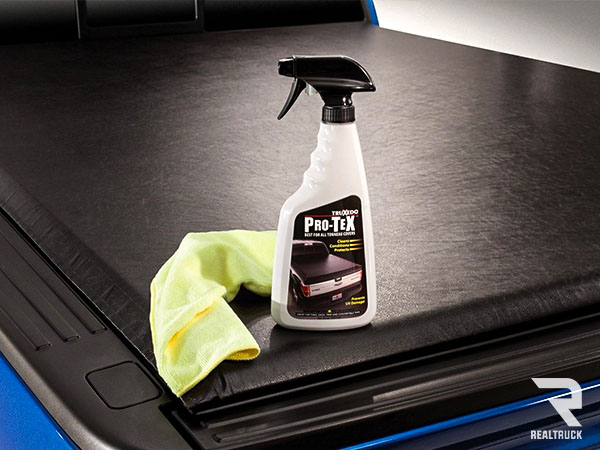
Dirt, grime, and road salt quietly degrade your cover over time. A steady cleaning routine prevents buildup and preserves protective coatings.
Choose the Right Cleaning Supplies
Harsh chemicals and rough tools can scratch or weaken cover materials. Stick with these safer options:
• Mild automotive soap mixed with warm water
• A soft microfiber cloth or gentle sponge
• Clean water for thorough rinsing
• A lint-free towel for drying
For vinyl or fabric covers, choose a cleaner specifically made for tonneau materials. These products maintain UV protection while removing contaminants.
Clean Tracks and Seals Weekly
Debris trapped in folding or rolling mechanisms causes jams and tears. Wipe down tracks with a damp cloth and remove leaves, pebbles, or ice buildup. Inspect rubber seals for cracks and dirt at the same time. A clogged track forces power cover motors to overwork, leading to premature failure.
Pro Tip: After off-roading or driving on gravel roads, inspect and clean your cover right away. Embedded grit wears down surfaces even when it looks invisible.
Shield Your Cover From UV Damage

Sunlight ranks as one of the biggest threats to truck bed covers, especially vinyl and soft materials. UV rays break down polymers, leading to fading, brittleness, and cracking.
Apply UV-Protective Conditioner Monthly
Soft covers benefit from a UV-resistant vinyl protectant that is non-petroleum-based. Apply it evenly with a microfiber applicator and reapply after heavy rain or washing. Hard covers also need protection. Use a wax with UV blockers every two to three months for best results.
Park in Shade Whenever Possible
Shade dramatically reduces UV intensity on your cover. Use a garage or carport when available, or choose shaded parking spots. During long-term storage, a breathable truck cover adds another layer of defense.
Warning: Never use household cleaners like glass spray or bleach-based products on your tonneau cover. These strip protective layers and often void manufacturer warranties.
Prevent Scratches and Dents on Your Cover
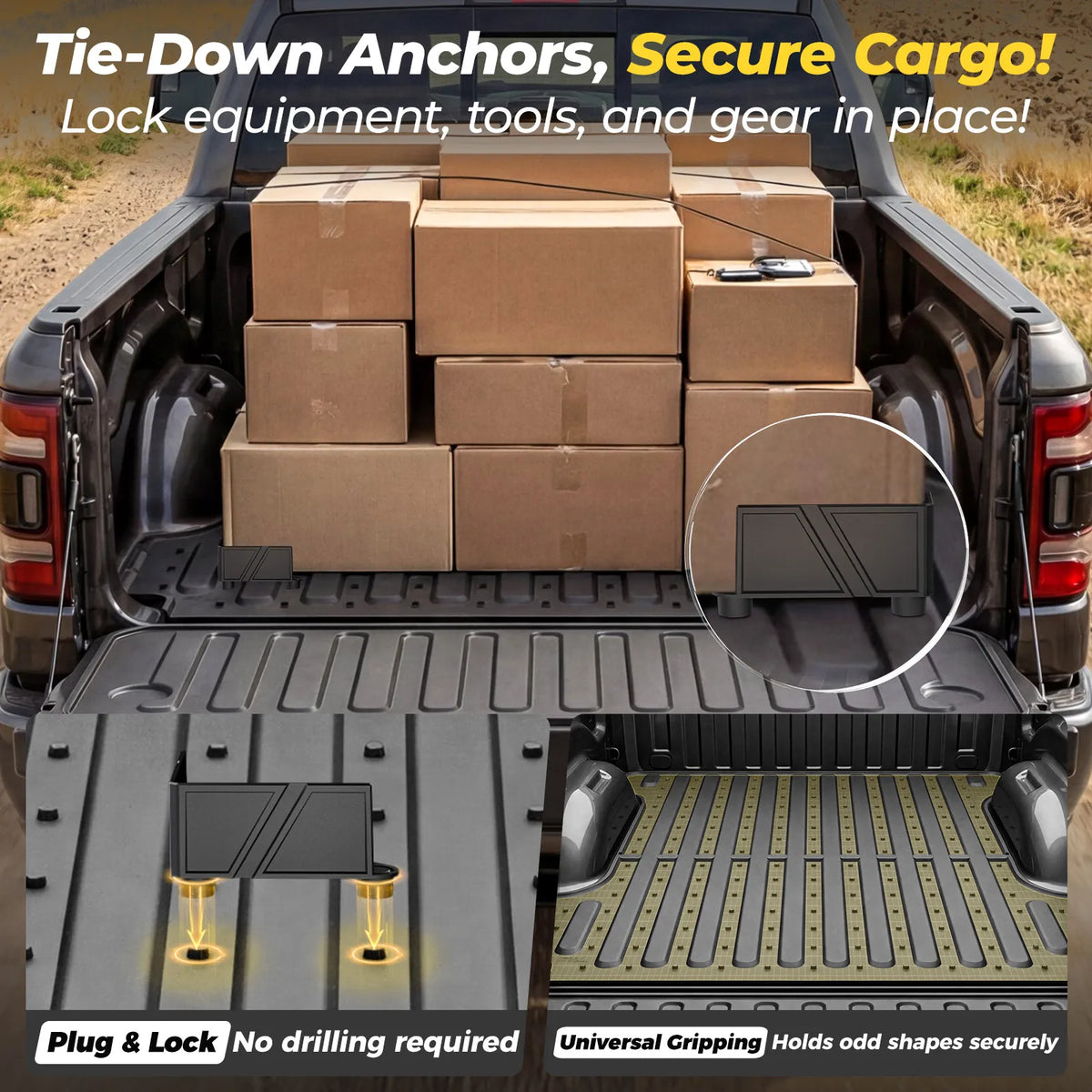
Your cover faces damage not just from weather but from improper loading and contact with sharp objects. A few smart habits prevent costly repairs.
Load Cargo With Care
Heavy items can scratch or dent your cover when dragged across it. Slide heavy items carefully, place mats or blankets underneath equipment, and avoid overloading near hinges or edges. Even small scratches weaken weather resistance over time.
Install Edge Guards for Extra Protection
Rubber or foam corner protectors absorb impact in high-wear areas. Focus on tailgate connection points, folding creases, and front rail contact zones. These guards reduce friction during opening and closing while preventing chips and cracks.
Maintain Seals and Latches for a Tight Fit

A tight seal keeps water out and improves aerodynamics. Over time, gaskets dry out and latches loosen, reducing effectiveness.
Inspect Rubber Seals Monthly
Check seals for cracking, hardening, mold, or mildew buildup. Look for gaps when the cover is closed. Clean seals with water and mild soap, then apply rubber conditioner to restore flexibility in stiff areas.
Tighten Loose Hardware Regularly
Use a hex key or screwdriver to secure hinge bolts, adjust latch tension, and realign misaligned panels. Loose hardware causes vibration, noise, and uneven wear across the cover.
Expert Note: If your cover does not click shut easily, do not force it. Misalignment usually comes from debris or worn hinges, so fix the root cause instead of forcing the issue.
Winter Weather Protection for Your Truck Bed Cover
Cold temperatures make cover materials brittle. Snow, ice, and road salt increase stress and corrosion risk during winter months.
Remove Snow Gently Without Damage
Never use sharp tools or excessive force on your cover. A plastic snow brush with soft bristles works best. Brush in the direction of the cover’s grain and clear snow before it compacts into ice. For folding covers, open and close the panels slowly in freezing temperatures to avoid cracking hinges.
Prevent Ice Buildup Before It Starts
Spray tracks with silicone lubricant before winter arrives. Avoid de-icing sprays that contain chloride, and never pour hot water on frozen seals since thermal shock causes cracking. If ice forms, let it melt naturally or use a hairdryer on low heat.
Lubricate Moving Parts Every Three Months
Folding, rolling, and retractable covers rely on smooth operation. Dry hinges or rails lead to strain and mechanical failure over time.
Use Silicone-Based Lubricant for Best Results
Apply dry silicone spray to hinges, rails, and rollers every three months. Wipe off excess to prevent dust attraction, then operate the cover several times to work the lubricant in. Avoid using WD-40, which attracts dirt and dries out rubber seals.
Check Motor Function on Power Covers
For electric models, listen for grinding or slow movement during operation. Test remote responsiveness and inspect wiring for fraying or moisture. Have the motor and battery checked annually by a qualified technician.
Avoid Chemical Exposure That Degrades Materials
Common substances damage cover materials even with brief contact. Protect your cover by keeping these chemicals away:
- Gasoline and oil spills
- Battery acid
- Paint thinners and solvents
- Road de-icers
If contact occurs, wipe the area immediately with a damp cloth, wash with mild soap and water, and dry thoroughly. Quick action prevents permanent staining or material breakdown.
Fact: A single drop of gasoline can begin breaking down vinyl within minutes, so speed matters when spills happen.
Store Your Truck Properly During Long Inactivity
If you are not using your truck for weeks or months, take extra steps to preserve the cover and prevent hidden damage.
Clean Thoroughly Before Storage
Wash and dry the cover completely to prevent mold and staining. Moisture trapped under debris causes permanent damage during storage.
Use a Breathable Truck Cover
Choose a non-plastic, ventilated cover for outdoor storage. Avoid trapping moisture underneath and elevate edges if possible. Never store your truck with snow, leaves, or standing water sitting on the cover surface.
Frequently Asked Questions About Truck Bed Cover Protection
How often should I clean my truck bed cover?
Clean your cover at least once a month during regular use, and weekly during winter or after off-roading. Tracks and seals need attention every week to prevent debris buildup that causes mechanical issues.
What is the best protectant for a vinyl tonneau cover?
A non-petroleum-based UV protectant designed specifically for vinyl tonneau covers works best. Apply it monthly and after every wash for maximum protection against sun damage and cracking.
Can I use WD-40 on my truck bed cover hinges?
Avoid WD-40 on hinges and seals. It attracts dirt and dries out rubber over time. Use a dry silicone-based lubricant instead for smooth operation without residue buildup.
How do I remove ice from my truck bed cover without damaging it?
Use a plastic snow brush with soft bristles and gentle pressure. Never use sharp tools or hot water, which cause thermal shock and cracking. Let ice melt naturally when possible or use a hairdryer on low heat.
Will parking in the shade really extend my cover’s life?
Yes, shade significantly reduces UV exposure, which is the leading cause of fading, brittleness, and cracking. Even partial shade lowers surface temperature and slows material breakdown dramatically over time.
Key Takeaways for Protecting Your Truck Bed Cover
Protecting your truck bed cover comes down to three core habits: clean regularly, shield from UV rays, and maintain seals and hardware. Monthly cleaning with mild soap prevents grime damage, while UV protectants and shade stop sun-related deterioration. Weekly attention to tracks and seals keeps mechanisms working smoothly and prevents costly repairs.
Start with a simple routine today by washing your cover, applying UV protectant, and inspecting seals. Set a calendar reminder for monthly conditioner applications and seasonal inspections. These small actions take minutes but add years to your cover’s lifespan. Your truck deserves consistent care, and your wallet will thank you when replacement costs stay far away.