A dirty, dull truck bed cover isn’t just an eyesore; it can shorten the life of your investment and reduce performance in harsh weather. Whether you’ve hauled gear, driven through mud, or faced months of sun exposure, knowing how to clean truck bed cover surfaces properly is essential for maintaining protection and appearance. Most truck bed covers, including tonneau covers made of vinyl, canvas, fiberglass, or aluminum, need regular cleaning to prevent buildup that leads to cracks, stains, or hardware issues. Without proper care, UV damage, mold, and debris can degrade materials fast.
This guide gives you a complete, step-by-step process to clean any type of truck bed cover safely without causing scratches, discoloration, or water damage. You’ll learn how to inspect for damage, choose the right cleaning products, remove tough stains, dry effectively, and protect the surface long-term. Whether you own a retractable, folding, or hard-shell cover, these methods work across models and brands. With just 30 to 60 minutes and basic supplies, you can restore your cover’s factory-like finish and extend its lifespan by years.
Essential Cleaning Supplies
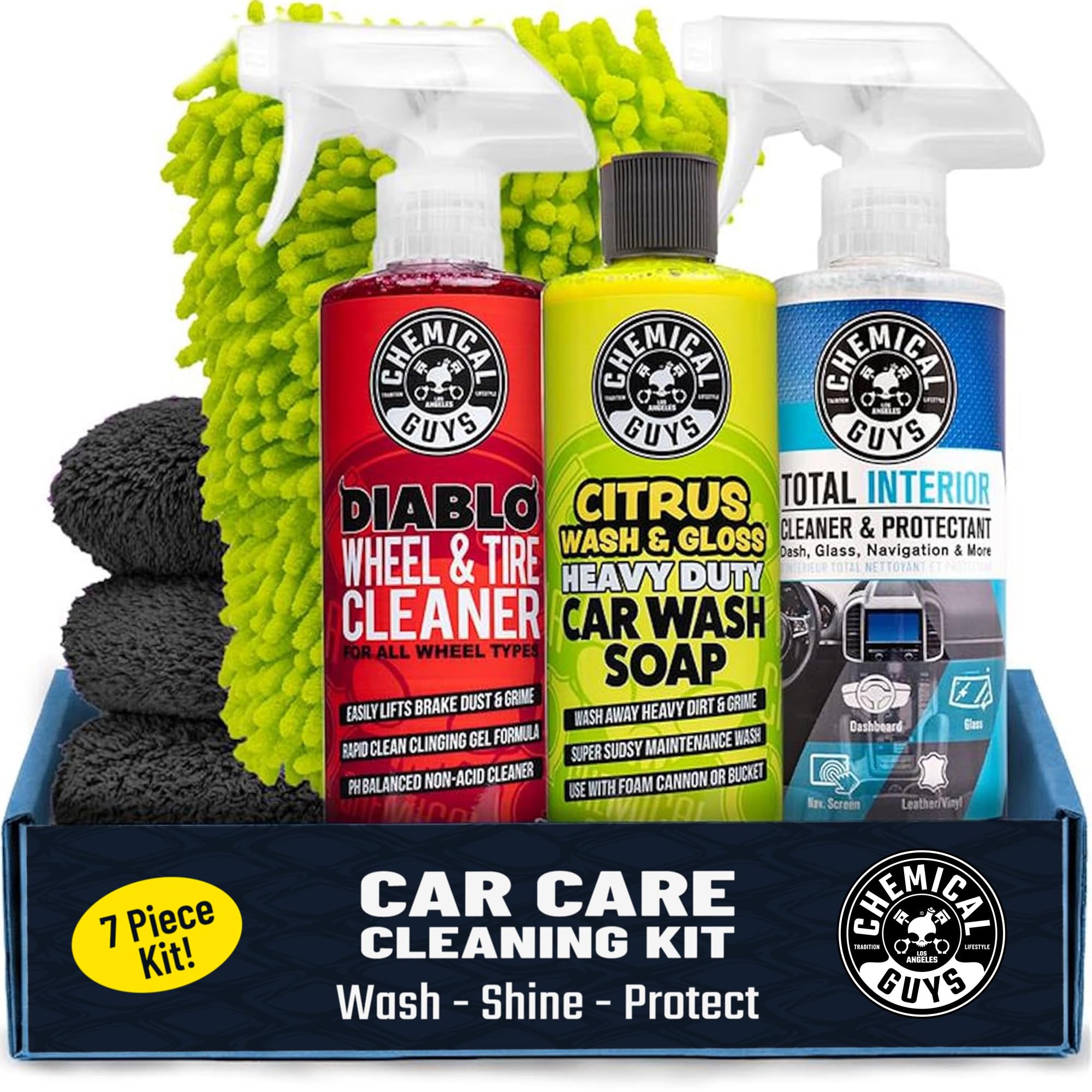
Before starting, gather the right tools to avoid accidental damage. Using household cleaners or abrasive cloths may seem convenient, but they can strip protective coatings or scratch surfaces.
Basic Wash Kit Items
- pH-balanced automotive cleaner – Safe for vinyl, fabric, and painted surfaces
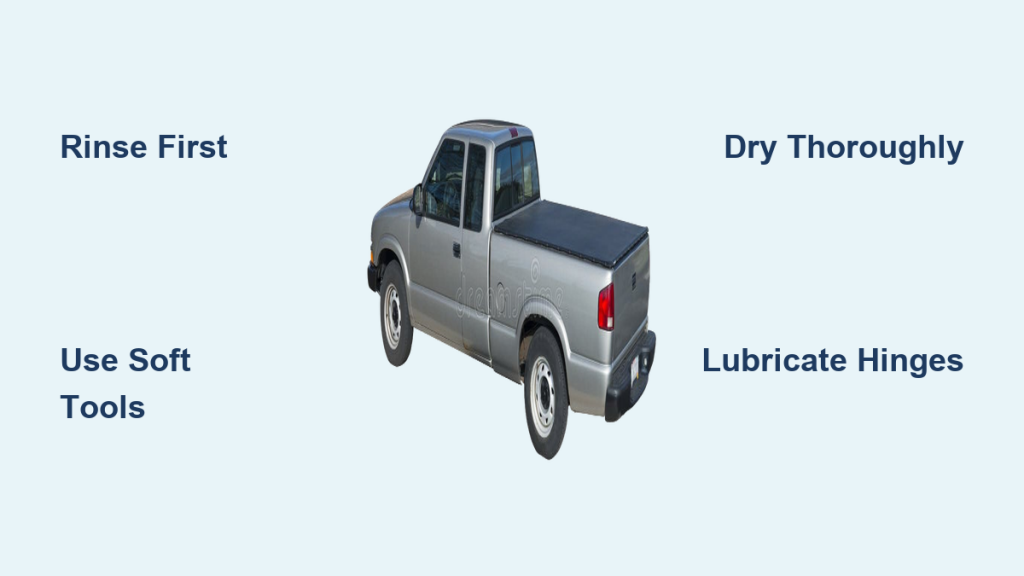
- Microfiber wash mitt or sponge – Prevents swirls and lint transfer
- Soft-bristle brush – Ideal for seams, hinges, and textured areas
- Garden hose with spray nozzle – Use low to medium pressure
- Two buckets – One for soapy water, one for rinsing the mitt
- Wheel brush (optional) – Useful for crevices in folding covers
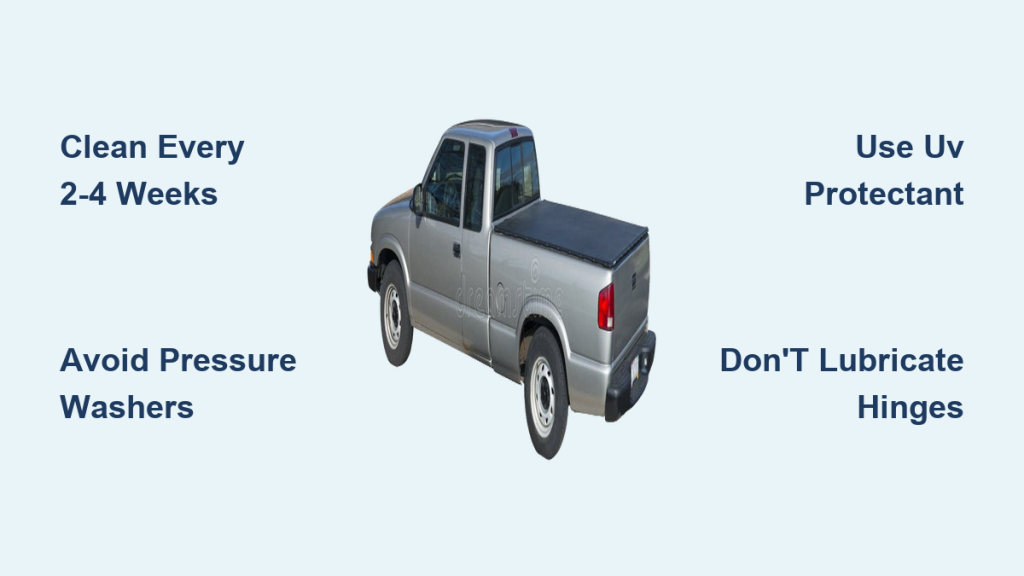
Avoid high-pressure washers, as they can force water into joints and seals, leading to leaks or internal damage.
Drying and Protection Tools
- Chamois or microfiber drying towel – Absorbs water without scratching
- Water blade squeegee – Efficient for large flat surfaces
- UV protectant spray (for vinyl/fabric) – Replenishes coatings and prevents fading
- Silicone-free lubricant – Keeps hinges and tracks moving smoothly after cleaning
Using the correct supplies ensures a thorough clean while protecting material integrity and warranty conditions.
Prepare the Work Area
Cleaning your truck bed cover outdoors in direct sun or wind increases streaking and dust contamination. Choose the right time and place for best results.
Choose a Shaded, Flat Location
Park on level ground in a garage or shaded driveway. Direct sunlight causes soap and water to dry too quickly, leaving spots and residue. A shaded area keeps the surface wet longer, allowing deeper cleaning and easier rinsing.
Make sure the bed is empty and the surrounding area is clear of debris that could scratch the cover during cleaning.
Pre-Rinse the Cover
Use a garden hose to rinse the entire surface, starting from the front edge and working toward the tailgate. This removes loose dirt, sand, and gravel that could scratch during washing.
Pay extra attention to corners, folds, and hinge areas where grime accumulates. For retractable covers, partially extend the mechanism to access hidden tracks.
Never begin scrubbing without rinsing. Dirt particles can act like sandpaper on soft materials.
Clean by Cover Material Type
Not all truck bed covers are cleaned the same way. The method depends on whether your cover is soft (vinyl, canvas) or hard (aluminum, fiberglass). Using the wrong technique can cause peeling, cloudiness, or warping.
Vinyl or Fabric Tonneau Covers
These soft covers are common on roll-up and tri-fold models. They’re durable but prone to UV damage and mildew if not maintained.
- Mix pH-balanced cleaner with water in a bucket (follow product instructions).
- Dip the microfiber mitt into soapy water; never apply cleaner directly to the cover.
- Wipe in straight lines from front to back, avoiding circular motions that stretch material.
- Use a soft brush for seams, stitching, and clamps where dirt builds up.
- Rinse thoroughly with low-pressure water, ensuring no soap residue remains.
For mildew or stubborn stains, use a 50/50 mix of white vinegar and water. Apply with a cloth, let sit for 5 minutes, then gently scrub and rinse. Avoid bleach, which weakens fibers and fades color.
Hard Shell Covers (Aluminum, Fiberglass, Composite)
Hard covers resist dents and weather but can lose shine or develop oxidation over time.
- Wash with the same pH-balanced cleaner, using a microfiber mitt.
- For oxidation or haze, use a non-abrasive polish designed for automotive surfaces.
- Apply polish with a foam applicator pad in small sections, then buff with a clean microfiber cloth.
- Rinse completely and dry immediately to prevent water spots.
Never use wax on matte-finish aluminum covers; it can create shiny patches. Stick to cleaners labeled for metal or composite materials.
Address Stains and Buildup

Even with regular cleaning, spills, tree sap, bird droppings, or road tar can stick to your cover. Quick action prevents permanent damage.
Remove Tree Sap and Tar
- Spray rubber-safe adhesive remover on the spot (test on a small area first).
- Let sit for 30 seconds; don’t let it dry.
- Wipe gently with a microfiber cloth.
- Wash the area again with soapy water and rinse.
Avoid using gasoline, acetone, or citrus-based solvents. They can melt vinyl or dull paint.
Treat Mold and Mildew
If your cover was stored wet or exposed to humidity, black spots may appear.
- Mix 1 cup water with 1 tablespoon hydrogen peroxide (or use a fabric-safe mold cleaner).
- Spray on affected areas and wait 5 to 10 minutes.
- Gently scrub with a soft brush.
- Rinse thoroughly and dry completely before closing.
Never leave a damp cover closed. This encourages mold regrowth.
Dry Thoroughly After Washing
Moisture trapped under or inside the cover leads to rust, mold, and electrical issues (especially for powered models).
Use a Chamois or Water Blade
Start at the top center and pull the chamois or squeegee toward the tailgate. Work in overlapping strokes to avoid missed spots.
For folding or retractable covers, open them fully and dry the support rails and tracks with a microfiber towel.
Air Dry in Open Position
After wiping, leave the cover open for 15 to 30 minutes to allow evaporation. If possible, use a leaf blower on cool setting to remove water from hinges and seals.
Never operate a retractable cover until it’s completely dry. Moisture in motors or tracks can cause malfunction.
Maintain Seals and Moving Parts
Cleaning isn’t just about appearance; it’s also about function. Seals, clamps, and hinges wear down if neglected.
Inspect Rubber Seals and Gaskets
Check the side and front seals for cracks, brittleness, or dirt buildup. These create gaps that let in water and debris.
- Clean with mild soap and water.
- Apply rubber conditioner to prevent drying and cracking.
- Replace damaged seals promptly to maintain weatherproofing.
Lubricate Tracks and Hinges
After cleaning and drying, apply a silicone-based lubricant (not oil-based) to moving parts.
- Spray lightly on hinge pins and slide rails.
- Operate the cover several times to work in the lubricant.
- Wipe away excess to avoid attracting dust.
This reduces friction, prevents squeaking, and extends mechanical life.
Protect Against Future Damage
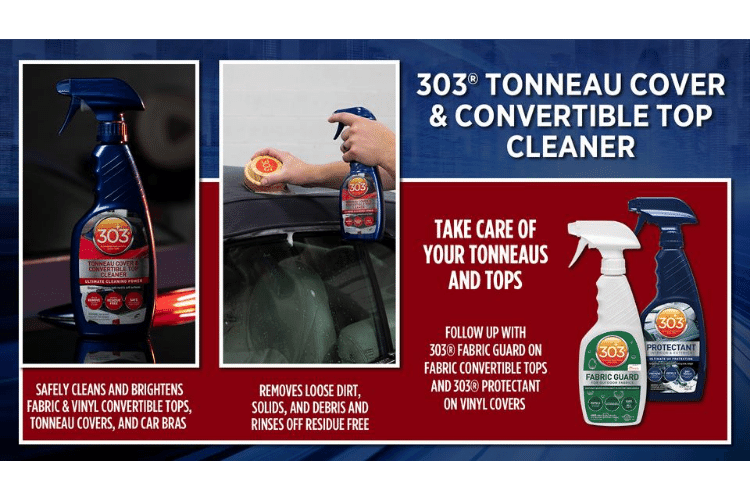
A clean cover won’t stay that way without protection. Apply preventive treatments to reduce future cleaning time.
Apply UV Protectant (Soft Covers)
Once every 4 to 6 weeks, spray a UV-resistant protectant on vinyl or fabric surfaces.
- Use a product like 303 Aerospace Protectant or Meguiar’s Hyper Protectant.
- Apply in a thin, even layer with a microfiber cloth.
- Avoid overspray on painted truck surfaces.
This shields against sun damage, fading, and material hardening.
Use a Cover Saver in Harsh Climates
In areas with heavy snow, salt, or intense sun, consider:
- Truck bed cover protectant sprays that repel water and grime
- Custom cover covers for long-term storage
- Parking in shade or using sun reflectors when possible
These habits reduce wear and keep your cover looking newer longer.
Avoid Common Cleaning Mistakes
Even experienced truck owners make errors that damage covers over time. Avoid these pitfalls to keep your investment protected.
Never Use Harsh Chemicals
Household cleaners like Windex, bleach, or degreasers strip protective layers and degrade materials. Stick to automotive-safe, silicone-free, and pH-neutral products only.
Don’t Pressure Wash
Pressurized water may seem effective, but it can:
- Force moisture into seals and electronics
- Bend soft cover frames
- Loosen adhesive edges on roll-up models
Use a garden hose with a spray nozzle instead.
Avoid Scrubbing with Abrasives
Steel wool, stiff brushes, or rough towels cause micro-scratches and accelerate wear. Always use soft cloths and non-abrasive tools.
Final Inspection and Function Test
After cleaning and drying, verify everything works properly before closing or driving.
Check for Residue and Streaks
Walk around the truck and inspect the cover under natural light. Look for:
- Soap film or water spots
- Missed stains
- Smudges on clear or glossy finishes
Re-wash or wipe problem areas if needed.
Test Operation (Powered or Manual)
For retractable or folding models:
- Open and close the cover 2 to 3 times
- Listen for unusual noises
- Ensure smooth movement and full closure
If the cover sticks or alarms trigger, recheck tracks for debris or moisture.
Frequently Asked Questions About Truck Bed Cover Cleaning
How often should I clean my truck bed cover?
Clean your truck bed cover every 2 to 4 weeks depending on use and exposure. Covers driven in dusty, muddy, or sunny conditions need more frequent cleaning to prevent buildup and UV damage.
Can I use dish soap to clean a tonneau cover?
Dish soap is not recommended. It can strip protective coatings and dry out vinyl or rubber seals over time. Use a pH-balanced automotive cleaner specifically designed for tonneau cover materials.
What is the best way to remove tree sap from a vinyl cover?
Apply a rubber-safe adhesive remover to the sap spot and let it sit for 30 seconds. Wipe gently with a microfiber cloth, then wash the area with soapy water and rinse. Avoid acetone or gasoline, which can melt vinyl.
Is it safe to pressure wash a truck bed cover?
No, pressure washers can force water into seals, damage electronics in powered covers, and bend soft cover frames. Use a garden hose with a spray nozzle for safe, effective rinsing.
How do I prevent mold and mildew on a fabric tonneau cover?
Always dry the cover completely before closing it. Apply a UV protectant every 4 to 6 weeks and treat any black spots with a hydrogen peroxide and water mix. Never store the cover while damp.
What should I use to lubricate the hinges on my folding cover?
Use a silicone-based lubricant on hinges and tracks. Oil-based products attract dust and dirt, which can cause grinding and wear over time.
Key Takeaways for Cleaning Your Truck Bed Cover
Learning how to clean truck bed cover surfaces the right way protects your investment and keeps your truck looking sharp. Start with pH-balanced cleaners and soft microfiber tools to avoid scratches. Always rinse before washing, clean based on your cover’s material, and dry thoroughly to prevent mold and rust.
Make cover cleaning part of your routine truck maintenance, just like washing the body or checking tires. Schedule a cleaning every 2 to 4 weeks, inspect seals and moving parts, and apply UV protectant to extend the life of soft covers. With these habits, you’ll maximize durability, maintain weatherproof performance, and preserve resale value for years to come.