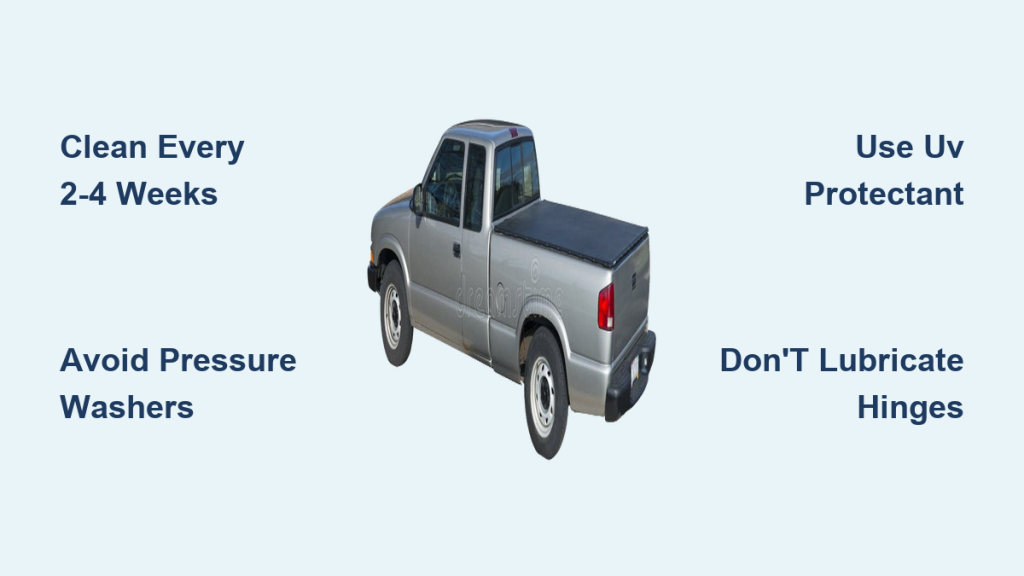
Rain pooling in your truck bed after every storm leads to rust, stained cargo, and long-term structural damage. A wet bed also creates mildew and slips hazards that make hauling tools or gear unsafe. Learning how to waterproof a truck bed protects your vehicle, your equipment, and your peace of mind during work or play.
This guide covers proven methods to seal your truck bed from top to bottom. You will learn how to choose the right coating, prep surfaces correctly, seal seams, apply a spray-on liner, and maintain the finish for years of dry, worry-free hauling.
Compare Waterproofing Options Before You Start

Different waterproofing methods offer different levels of protection. Some shield only the surface, while others create a full barrier that seals every gap and contour.
Spray-On Bed Liners vs. Drop-In Liners vs. Tonneau Covers
Spray-on liners like Line-X or Rhino Coat form a seamless, durable shell that bonds to metal and fills pores. Drop-in liners protect the floor but leave seams and wheel wells exposed. Tonneau covers block rain from above but do nothing about water entering from below. For complete waterproofing, a spray-on coating works best because it seals microscopic gaps that other methods miss.
Identify Where Water Enters Your Truck Bed
Water rarely enters only from above. Common entry points include:
– Side rail and floor seams
– Stake pockets and mounting holes
– The frame and support channels underneath
– Rusted or pitted metal spots
– Worn tailgate gaskets
Knowing these weak spots helps you target the right areas before applying any coating.
Prepare the Truck Bed for Waterproofing
Skipping prep leads to peeling, bubbling, and early failure. A clean, dry, scuffed surface ensures the coating bonds properly.
Remove Debris and Old Coatings
Empty the bed completely. Pull out mats, liners, and accessories. Blast away dirt and grime with a pressure washer or garden hose. Scrape off old liner chunks with a plastic putty knife to avoid scratching the metal underneath.
Sand and Degrease Every Surface
Sand the entire bed, including side panels, corners, and wheel wells, using 80 to 120 grit sandpaper. Focus extra attention on seams and joints. Wipe everything down with a degreaser or isopropyl alcohol to remove oils, wax, and dust. Let the surface dry fully before moving forward. Any leftover moisture or grease prevents proper adhesion.
Seal All Seams and Joints First
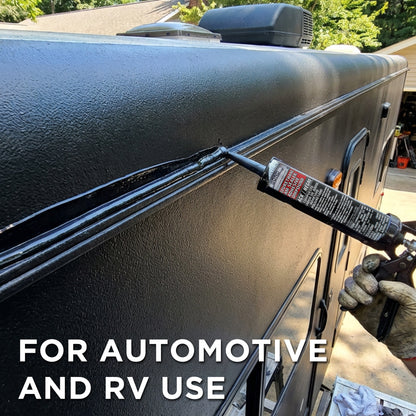
Even a great coating fails if seams stay unsealed. Water slips through tiny gaps where metal panels meet.
Apply Urethane or Polyurea Seam Sealer
Run a continuous bead of seam sealer along the inside and outside of side rails, floor-to-wall joints, stake pockets, and weld lines. Smooth the bead with a gloved finger or plastic applicator for full coverage. Allow 24 hours for curing before the next step.
Patch Rust and Small Holes
Wire brush any rust flakes until you reach clean metal. Apply a rust converter to stop further corrosion. For small holes, use a fiberglass-reinforced patch kit or metal filler. Sand smooth and prime before coating.
Apply a Spray-On Bed Liner
A quality spray-on liner is the core of full waterproofing. It creates a rubber-like shell that blocks moisture from every angle.
Choose Between Professional and DIY Kits
Professional services cost between $400 and $700 and offer superior durability, warranty, and precise application. DIY kits from brands like Rust-Oleum or KBS Coatings cost $100 to $200 and include primer, liner, and sprayer. A DIY kit works well if you follow the steps carefully.
Follow Proper Application Steps
- Mask off the tailgate handle, lights, and any area you do not want coated.
- Shake the can or mix the kit components thoroughly.
- Apply primer first if included, then let it dry.
- Spray in thin, even coats, overlapping each pass by 50 percent.
- Work from the back of the bed forward.
- Apply two to three coats, waiting 15 to 30 minutes between layers.
- Extend coverage under the side rails and deep into corners.
Avoid thick layers that drip, sag, or crack during curing.
Protect the Underside and Frame

Water often enters from beneath the bed. Sealing the undercarriage prevents leaks that start from below.
Spray Rubberized Undercoating Under the Bed
Lift the truck on jack stands for safe access. Clean the underside with a degreaser and wire brush. Apply a waterproof, rust-inhibiting undercoating such as Fluid Film, 3M Rust Fighter, or Hennig’s wax-based undercoating. Focus on the frame rails, crossmembers, and floor pan underside. Coat around drain holes rather than blocking them. This step stops moisture buildup that leads to rust from below.
Add a Tonneau Cover for Top-Down Defense

A cover adds another layer of rain and snow protection, though it does not replace sealing.
Select a Weather-Resistant Cover
Hard folding covers offer the best security and weather resistance. Roll-up vinyl covers cost less but wear faster. Retractable covers operate smoothly but may allow small gaps along the rails. Make sure the cover seals tightly along the tailgate and side rails to prevent water pooling.
Maintain Your Waterproofing Over Time
Even the best coating needs care. Regular inspection and cleaning extend the life of your waterproofing.
Inspect for Damage Annually
Check seams, corners, and high-traffic zones for cracks, peeling, or bubbling. Bubbling often signals trapped moisture beneath the coating. Touch up small damage with matching bed liner spray or seam sealer before it spreads.
Clean Gently to Avoid Damage
Wash the bed with mild soap and water. Avoid harsh solvents or high-pressure sprays aimed directly at coating edges. Use a soft brush to lift dirt without scratching the surface.
Avoid Common Waterproofing Mistakes
Most DIY failures come from preventable errors. Steer clear of these pitfalls.
Never Skip Surface Preparation
Spraying over dirt, grease, or rust guarantees early peeling. Proper sanding and cleaning are essential for adhesion.
Always Seal Seams Before Coating
Even a full spray liner cannot compensate for unsealed seams. Water penetrates behind the coating, traps moisture, and causes hidden rust.
Invest in Quality Products
Cheap sprays look fine at first but crack within months. Use a reputable product specifically designed for truck beds.
Frequently Asked Questions About Waterproofing a Truck Bed
What is the best way to waterproof a truck bed?
A spray-on polyurethane or polyurea liner offers the most complete waterproofing because it bonds directly to metal and seals every contour, seam, and pore.
Can I waterproof my truck bed myself?
Yes. DIY spray kits cost between $100 and $200 and include everything needed for proper application. Success depends on thorough prep and careful spraying.
How long does a spray-on bed liner last?
Professional spray-on liners often last the life of the truck with proper care. DIY liners typically last 5 to 10 years depending on use and maintenance.
Do tonneau covers keep water out completely?
Most covers block direct rainfall but allow some seepage at seams, rails, and the tailgate. A cover works best as a supplement to a sealed bed, not a replacement.
How do I stop water from coming in through the tailgate?
Replace worn tailgate gaskets and apply seam sealer along the tailgate edges. Make sure the tailgate latches tightly to compress the seal evenly.
Is undercoating necessary for waterproofing?
Yes. Many leaks start from beneath the bed. Rubberized undercoating on the frame and floor pan underside prevents moisture intrusion from below.
Key Takeaways for Waterproofing Your Truck Bed
Start by sealing every seam with urethane or polyurea sealer, then apply a durable spray-on liner for complete coverage. Do not forget the underside of the bed, where many leaks originate. Finish with a tonneau cover for added defense against rain and snow. Inspect the coating once a year and touch up small cracks before they spread. With proper prep, quality materials, and routine care, your truck bed will stay dry and rust-free for years. Grab your sandpaper, seam sealer, and liner kit this weekend, and give your truck the protection it deserves.