
A pickup truck is more than just a vehicle; it’s a workspace, a hauling partner, and for many owners, a lifestyle statement. Choosing the right truck bed liner ideas can mean the difference between a bed that stays pristine for years and one that collects rust, dents, and frustration. With options ranging from rugged spray-on coatings to flexible foldable designs, today’s market offers solutions for every budget and use case. This guide explores proven liner types, practical buying tips, and real-world favorites to help you protect your investment and maximize utility.
Spray-On Liners Explained
Spray-on bed liners provide seamless, permanent protection that bonds directly to the truck bed surface. They are a top choice for drivers who demand long-lasting durability without sacrificing aesthetics.
Why Choose Spray-On Protection?
This liner type fills every contour of your truck bed, creating a waterproof barrier that blocks moisture, rust, and corrosion. It absorbs heavy impacts from sharp cargo like metal pipes or landscaping stone without cracking or peeling. Most professional formulas use polyurea or polyurethane, materials known for flexibility and UV resistance. The result is a custom-fit coat that looks factory-finished.
Professional vs DIY Kits
Professional installations deliver the most consistent texture and thickness. DIY spray kits are available for budget-conscious owners willing to invest time in prep work. The bed must be sanded, cleaned, and masked carefully before application. Mistakes such as uneven coats or overspray can cause bubbling or weak spots. Many truck owners opt for certified installers to protect warranty coverage and ensure longevity.
Long-Term Value and Resale Impact
A quality spray-on liner preserves structural integrity by stopping rust before it starts. Buyers often interpret a well-maintained, lined bed as a sign of careful ownership, which can boost resale appeal. Unlike drop-in options that shift or wear out, spray-on protection holds up for years with minimal upkeep.
Rigid Plastic Liners Compared

Hard-shell plastic bed liners remain one of the most popular truck bed liner ideas because they balance strong protection with straightforward installation.
Top Features and Benefits
These drop-in liners are molded to fit specific truck makes and models, ensuring a precise fit. Made from high-density polyethylene, they resist scratches, dents, and chemical spills. Many include built-in tie-down points, stake pockets, and textured surfaces for improved cargo grip. Because they sit above the bed floor, they also absorb punctures from sharp tools or equipment.
Easy Installation Steps
Most rigid liners install in under an hour using basic hand tools. The process typically involves:
1. Measuring your truck bed length to confirm liner size.
2. Aligning the liner with the bed rails and tailgate.
3. Securing it with bolts or clips at pre-drilled factory holes.
4. Testing for stability by applying pressure before loading cargo.
No drilling is usually required, and removal is just as simple if you ever want to switch setups.
Best Budget-Friendly Picks
For occasional haulers or weekend projects, rigid plastic liners deliver solid protection at a lower price point than spray-on options. Look for models with textured surfaces and rounded edges to prevent cargo damage and improve grip. These liners are widely available at auto parts stores and online retailers.
Foldable Liners for Flexibility

When versatility matters most, foldable truck bed liners offer a smart solution, especially for owners who switch between work and recreation.
Lightweight and Portable Designs
Made from flexible thermoplastic or rubberized materials, these liners roll up or fold when not in use. That makes them perfect for tailgating, camping, or hauling oversized items that need an open bed. Despite their flexibility, they still provide reliable scratch and spill protection.
Use Cases: Work to Weekend
Picture finishing a job site run, then folding the liner away to host a cookout in the truck bed. Some models include modular trays, fold-out work surfaces, and hidden storage zones, turning your bed into a mobile command center. This adaptability makes them a favorite among outdoor enthusiasts and contractors alike.
Cleaning and Storage Tips
After hauling dirt or wet gear, simply hose down the liner and wipe it dry. Avoid leaving the liner loose during high-speed drives, since wind can shift it. Store flat or loosely rolled in a garage to prevent permanent creasing.
Custom Colors and Style Upgrades

Truck bed liners no longer come in just basic black or gray. Custom-colored and tinted options let you personalize your truck while keeping it protected.
Match Your Truck’s Paint
Some spray-on services offer color-matching so your liner blends seamlessly with your truck’s exterior. Charcoal, silver, and matte black are popular neutral choices, but bold options like red, blue, or camouflage are gaining attention on social media and truck shows.
Tinted Coatings for Unique Looks
Clear or semi-transparent tinted liners preserve the original metal appearance while adding a protective layer. These work well for classic trucks or show vehicles where aesthetics matter. UV-stable tints resist fading and yellowing over time, keeping the finish sharp.
Personalization Ideas Worth Trying
Owners are getting creative by adding logo stencils during spray application, using two-tone color splits, or integrating LED lighting along liner edges. These small touches transform functional gear into standout features.
Cargo Management Systems
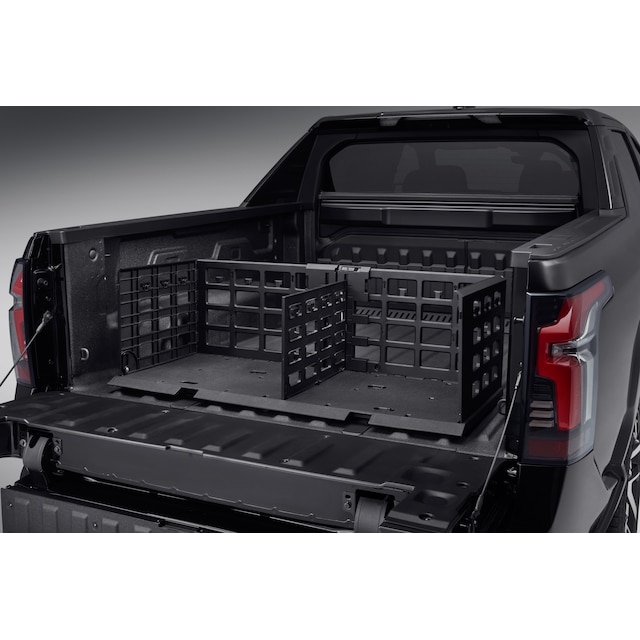
Beyond basic protection, modern truck bed liner ideas include smart organization systems that maximize every inch of your bed.
Integrated Dividers and Trays
Many premium liners now include built-in compartments for tools, cables, or camping supplies. These dividers keep small items from sliding around and getting lost under heavier cargo. Removable trays also make cleaning faster and easier.
Rail-Mounted Accessories
If your truck has factory bed rails, choose liners compatible with rail-mounted add-ons such as toolboxes, bike racks, or canopies. This modular approach turns your bed into a customizable workspace that adapts to changing needs.
Best for Contractors and Adventurers
Professionals appreciate having drill bits, extension cords, and safety gear within reach. Outdoor enthusiasts use dividers to separate wet gear, coolers, and pet supplies. A well-organized liner saves time, reduces clutter, and improves safety on every trip.
How to Choose the Right Liner
With so many options available, selecting the best truck bed liner depends on how you use your truck and which features matter most.
Assess Your Hauling Needs
Start by asking yourself a few key questions:
– Do I haul heavy materials regularly?
– Do I drive off-road or stick to paved roads?
– Do I need quick access and frequent cleaning?
For contractors and landscapers, spray-on or rigid liners offer the most durability. For weekend campers or families, foldable or modular systems deliver more flexibility.
Check Compatibility First
Always confirm the liner fits your truck’s make, model, and bed size. Some liners can interfere with backup cameras, bed extenders, or locking tailgates. If your truck has factory accessories like under-rail tie-downs, choose a liner that integrates smoothly without blocking access points.
Prioritize Weather Resistance
UV rays, snow, rain, and temperature swings all degrade materials over time. Look for liners labeled as UV-resistant, non-slip in wet conditions, and crack-resistant in cold climates. Polyethylene and polyurea-based products generally perform best across seasons.
Installation and Maintenance Guide
Proper setup and routine care keep your liner performing well for years.
Prep Your Truck Bed
Before installing any liner, take time to prep the surface:
– Remove all debris, grease, and old adhesive.
– Wash with mild soap and let dry completely.
– Mask off lights, sensors, and wheel wells if spraying.
A clean surface ensures better adhesion and prevents trapped moisture that leads to rust.
Maintenance Best Practices
Follow these simple habits to extend liner life:
– Rinse after hauling muddy or salty loads.
– Use mild cleaner and avoid harsh solvents that degrade coatings.
– Inspect edges and corners annually for wear or lifting.
– Reapply touch-up coatings as needed, especially on spray-ons.
For rigid and foldable liners, check bolts and anchors periodically to ensure they remain tight and secure.
Real-World User Favorites
Based on performance, value, and owner feedback, certain liner types consistently stand out.
Best for Off-Road Use
Spray-on liners dominate this category. Their seamless bond withstands constant vibration, rock chips, and trail debris. Trusted brands in the off-road community are known for high impact resistance and textured grip that keeps cargo stable on rough terrain.
Best Budget Option
Rigid plastic liners offer solid protection at an accessible price point. They install easily, hold up under regular use, and are widely available at auto parts stores. For drivers who need dependable protection without a premium cost, this category delivers.
Best for Style and Function
Custom-fit foldable liners with smart storage are growing in popularity. These products combine sleek design with practical features like fold-out workbenches, integrated lighting, and modular bins, making them ideal for owners who want both form and function.
Frequently Asked Questions About Truck Bed Liner Ideas
What type of truck bed liner is most durable?
Spray-on liners are the most durable option because they bond directly to the bed and resist impacts, scratches, and rust for years. Polyurea and polyurethane formulas offer the best combination of flexibility and toughness.
Are DIY spray-on liner kits worth it?
DIY kits can save money, but they require careful surface preparation and application skill. Mistakes during prep or spraying can lead to uneven texture or weak adhesion. Professional installation typically delivers better, longer-lasting results.
Can I install a rigid plastic liner myself?
Yes. Most rigid plastic liners install in under an hour using basic hand tools. No drilling is usually required, and the process involves aligning the liner, securing bolts or clips, and testing for stability.
Do bed liners affect resale value?
A well-maintained liner can boost resale value by protecting the bed from damage and showing buyers the truck was cared for. Spray-on liners tend to make the strongest positive impression.
Which liner is best for cold or wet climates?
Look for liners labeled UV-resistant, non-slip, and crack-resistant. Polyethylene and polyurea materials handle freeze-thaw cycles and moisture better than cheaper alternatives.
Where can I find inspiration for custom liner setups?
Platforms like Pinterest and YouTube feature real-life examples and creative ideas. Many owners share photos of color-matched liners, modular storage systems, and personalized designs worth exploring.
Key Takeaways for Choosing the Best Truck Bed Liner
Truck bed liner ideas have evolved far beyond basic drop-in plastic. Today’s options include rugged spray-on coatings, budget-friendly rigid shells, and versatile foldable systems with smart storage. The right choice depends on how you use your truck, what climate you drive through, and how much customization you want. Start by assessing your hauling habits, confirm compatibility with your truck’s features, and prioritize weather-resistant materials. With the right liner in place, your truck bed will stay protected, organized, and ready for whatever comes next.