You’ve got a truck, a couple of bikes, and an adventure ahead, but getting your bikes from garage to trailhead safely isn’t always straightforward. Whether you’re hauling mountain bikes, road bikes, or kids’ bikes, knowing how to carry bikes in a truck bed properly protects your investment and keeps you road-legal.
Improperly secured bikes can shift, fall out, or get damaged during transit. No one wants to arrive at the trail with a bent derailleur or scratched frame. This guide shows you the safest, most effective ways to transport bikes in your truck bed using common tools, smart accessories, and proven securing techniques.
Choose the Right Transport Method for Your Truck Bed

The way you carry bikes in a truck bed depends on your truck size, number of bikes, and gear budget. Some methods are faster. Others offer better protection. The three main approaches are truck bed racks, wall-mounted carriers, and floor loading with padding.
Use a Truck Bed Bike Rack
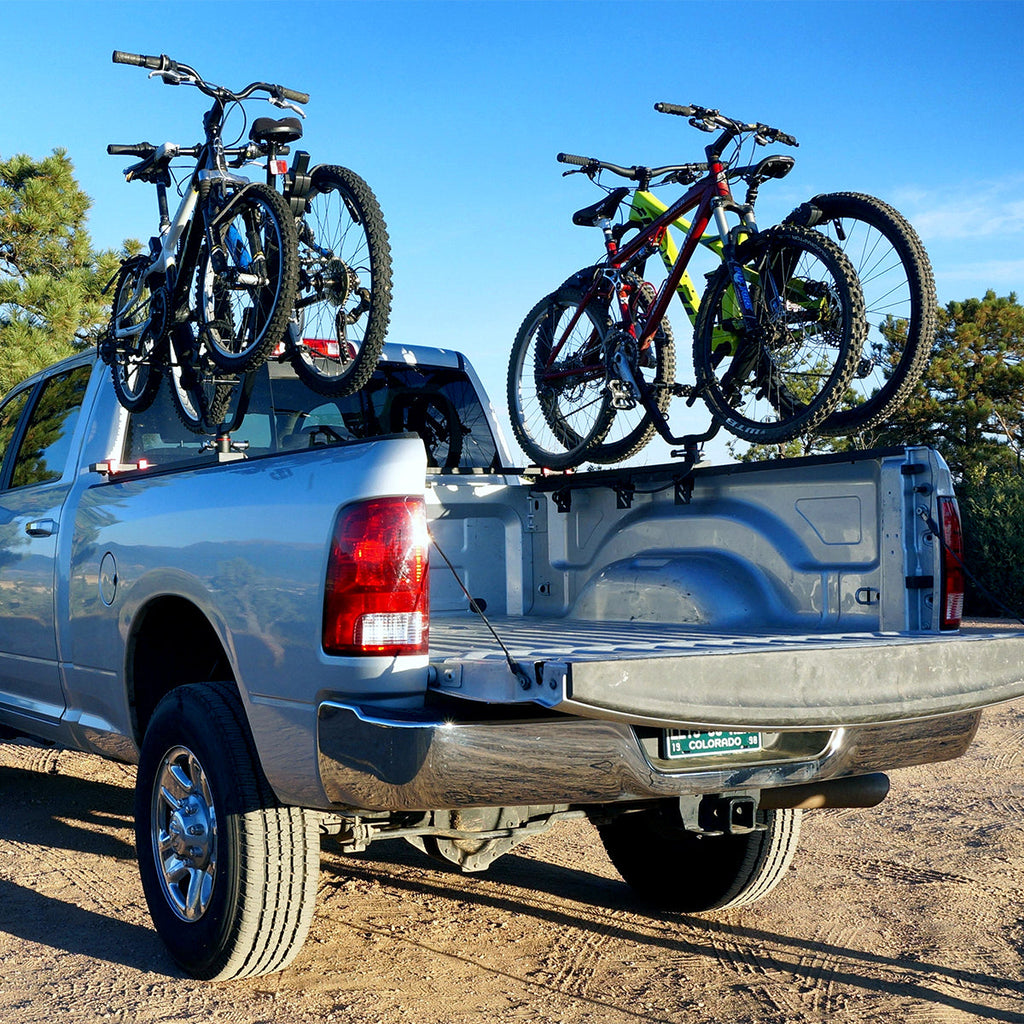
A truck bed bike rack mounts across the bed rails or stake pockets and holds bikes upright or horizontally. These racks keep bikes stable, prevent contact with the truck bed floor, and make loading easier.
Common rack styles include:
- Rail-mounted racks that attach to the top of the truck bed’s side rails and suspend bikes above the bed floor
- Stake pocket racks that use the truck’s existing stake pockets for tool-free installation
- Hanging-style racks that suspend bikes by their top tubes for compact storage
Most hold 2 to 4 bikes and work with 6- or 8-foot beds.
Pro tip: Look for racks with adjustable arms and rubberized cradles to fit different frame sizes and prevent scratches.
Install a Wall-Mounted Bike Carrier
A wall-mounted bike carrier attaches to the truck’s cab wall (the bulkhead behind the cab) and holds bikes vertically, facing forward. This method frees up floor space and protects bikes from sliding during sudden stops.
Key benefits include:
- Best for short beds or when carrying long items alongside bikes
- Uses heavy-duty straps or brackets anchored into the cab wall’s metal frame
- Keeps bikes secure and reduces movement during braking
Warning: Never mount a carrier using only the interior trim or plastic panels. They can’t handle the load.
Load Bikes Directly in the Bed
Placing bikes directly in the truck bed is the simplest method when done correctly. This works well for short trips or when you don’t own a rack.
Best practices for floor loading:
- Lay bikes side down (drivetrain up) to avoid damaging gears
- Use foam padding or a truck bed mat to prevent scratches
- Ideal for one or two bikes when space allows
Avoid stacking bikes. Frames and components can rub and get damaged.
Secure Bikes Properly with Ratchet Straps and Padding
No matter which method you use, securing bikes is critical. A loose bike can become a dangerous projectile at highway speeds.
Use Heavy-Duty Ratchet Straps
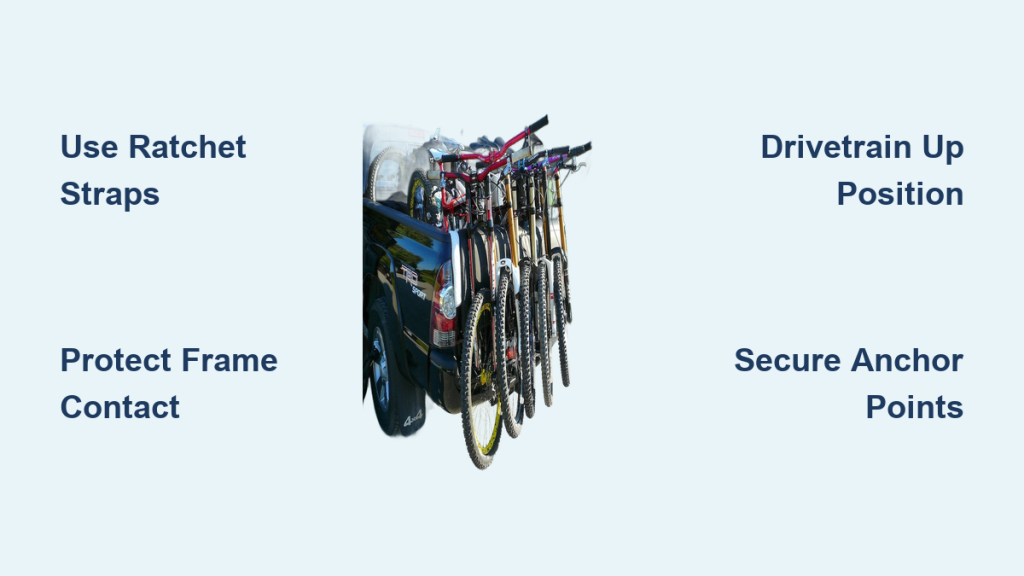
Ratchet straps (also called tie-down straps) offer the strongest hold. Use at least two per bike for full stability.
Follow these steps for safe strapping:
- Attach front and rear wheel straps to truck bed anchor points or D-rings
- Tighten until the bike doesn’t shift when pushed firmly
- Avoid over-tightening frame-contact straps, which can dent carbon or aluminum
Choose 1-inch-wide straps with 600+ lb break strength for safety.
Protect the Bike Frame During Transport
Even with soft cradles or straps, contact points can scratch or dent frames. Use protective sleeves on frame tubes for extra safety.
Affordable frame protection options:
- Wrap foam pipe insulation around top and down tubes
- Use old garden hose split lengthwise for a durable DIY bumper
- Apply frame protection tape to high-contact areas
Avoid bungee cords alone. They stretch and can fail under road vibration.
Anchor Straps to Solid Mounting Points
Your straps are only as strong as their anchor points. Always use factory-installed tie-downs or reinforced D-rings.
Secure anchor point tips:
- Most trucks have four in-bed tie-downs (one in each corner)
- Aftermarket bed rails or anchor kits add more secure points
- Never tie to tailgate hinges, plastic trim, or side mirrors
Test each strap by tugging hard. Any movement means you need to re-secure.
Prevent Common Transport Mistakes That Damage Bikes

Even experienced haulers make errors that risk bike damage or road safety. Avoid these common pitfalls.
Don’t Leave the Tailgate Down During Transport
Some people think carrying bikes with the tailgate down saves space, but it’s illegal in most states and extremely dangerous.
Why tailgate-down hauling fails:
- Tailgates are not designed to support bike weight
- Bikes can swing, snap the gate, or fall into traffic
- Road debris can enter the bed and damage components
If you must carry bikes tailgate-down for oversized loads, use a tailgate support strap rated for the load, and only for short, slow trips.
Avoid Drivetrain Damage in the Truck Bed
Laying a bike with the chain and cassette down on the truck bed leads to grime buildup and premature component wear.
Keep your drivetrain safe:
- Always place bikes with the drivetrain side up
- Clean and re-lube the chain after transport, especially after dusty or wet rides
- Cover derailleurs with a soft cloth if exposed to road spray
Don’t Overload the Truck Bed
Too many bikes or poor spacing causes shifting and frame contact. Crowding the bed is one of the fastest ways to damage equipment.
Smart loading rules:
- Allow at least 6 inches between bikes
- Load heaviest bikes closest to the cab
- Never exceed your truck bed’s weight limit
For 3 or more bikes, consider a hitch-mounted rack instead for safer transport.
Use Accessories for Better Bike Protection
Truck bed accessories make hauling bikes easier, safer, and less damaging to both bike and truck. The right gear turns a risky load into a secure one.
Install Bed Rails or Side Racks
Aftermarket bed rails add structural support and mounting points for straps and racks.
Benefits of bed rails:
- Enable use of rail-mounted bike racks
- Protect truck sides from bike contact and scratches
- Some integrate LED lights or cargo management systems
Popular brands include Truxedo, ARE, and Extang.
Add a Truck Bed Mat for Cushioning
A durable bed mat cushions the floor and prevents scratches to both bikes and truck bed.
Mat selection tips:
- Choose rubber or heavy-duty polymer mats
- Cut to fit if needed, but ensure full coverage under bike contact points
- Easy to clean after muddy rides
Use a Canopy or Tonneau Cover for Security
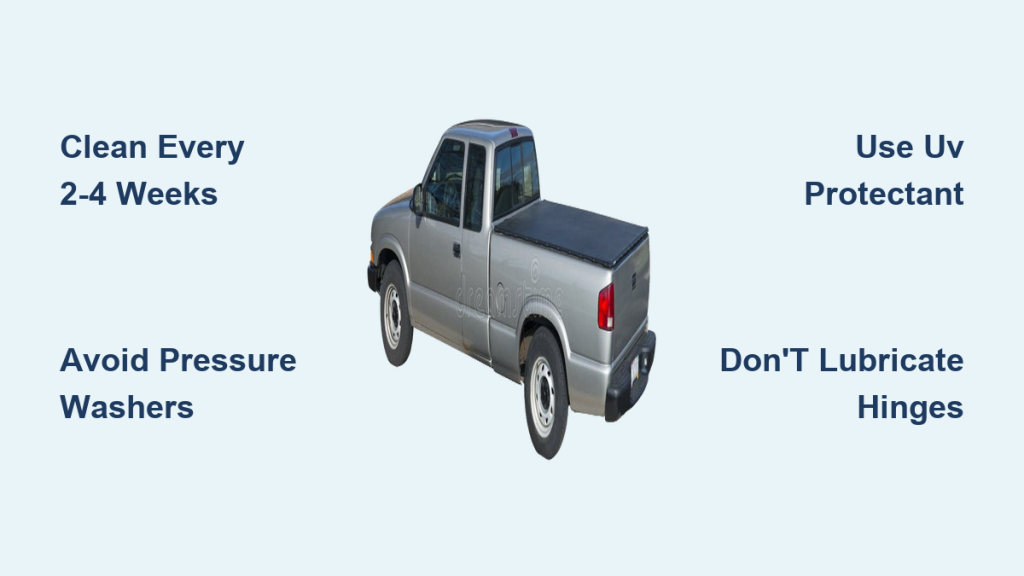
A hard or soft cover shields bikes from weather, dust, and theft during transport or parking.
Cover options to consider:
- Locking tonneau covers add security at trailheads
- Retractable models allow partial access without full removal
- Great for long-term storage or frequent hauling
Note: Measure bike height before closing. Some full-suspension bikes won’t fit under low-profile covers.
Consider Alternative Transport Options for Bikes

If truck bed hauling feels risky or impractical, explore other ways to carry bikes with your truck.
Hitch-Mount Bike Racks
Hitch racks attach to your truck’s receiver and carry bikes behind the vehicle.
Why hitch racks work well:
- Easy to load and unload at any height
- Keeps bikes out of the bed entirely
- Available in 2 to 4 bike models for any group size
Choose swing-away models to access the tailgate without removing bikes.
Roof Racks for Crew Cab Trucks
If you have a crew cab with a shorter bed, a roof rack might work for occasional trips.
Roof rack considerations:
- Requires crossbars and bike-specific roof mounts
- Secure wheels or frames with padded clamps
- Lower speed limit; check bike and rack max speeds before driving
Risk: Roof hauling raises center of gravity. Avoid high winds or off-road driving.
Trailer-Mounted Bike Carriers for Groups
For large groups or multi-bike trips, a small trailer with a bike rack is ideal.
Trailer advantages:
- Carry 4+ bikes without crowding the truck bed
- Detach when not needed for solo trips
- Can double as cargo trailers for camping gear
Ensure trailer lights and brakes meet local road laws.
Prepare for the Road with a Pre-Drive Inspection
Before hitting the road, do a final check to ensure everything is secure. A 2-minute walk-around can prevent a total loss.
Do a Pre-Drive Inspection
Walk around the truck and test every connection before leaving.
Quick checklist for safe transport:
- Confirm all straps are tight and buckles locked
- Check that wheels aren’t touching each other or the truck sides
- Ensure nothing hangs over the sides or rear of the bed
Drive the first mile slowly, then recheck straps. They often loosen during initial movement.
Adjust for Weather and Terrain
Wet, windy, or rough roads increase the risk of shifting loads. Adapt your setup to match conditions.
Weather-specific tips:
- In rain, cover bikes with a tarp (secure all edges)
- On gravel roads, reduce speed to minimize bouncing
- In high wind, use horizontal rack positioning for a lower profile
Add extra tie-downs for cross-country trips or long highway drives.
Unload Bikes Safely at Your Destination
After arrival, unload carefully to avoid injury or damage to your bikes.
Safe unloading steps:
- Release straps slowly. Tension can cause bikes to shift suddenly
- Lift with your legs, not your back, especially with heavy e-bikes
- Inspect bikes for damage before riding
Clean the truck bed afterward to remove dirt and grit that can cause rust.
Frequently Asked Questions About Carrying Bikes in a Truck Bed
Is it legal to drive with the tailgate down when carrying bikes?
In most U.S. states, driving with the tailgate down is illegal if bikes extend beyond the bed. Even where legal, it’s dangerous because bikes can swing, snap the gate, or fall into traffic. Use a tailgate-down only with a proper support strap for short, slow trips with oversized loads.
How many bikes can fit in a truck bed?
A standard 6-foot truck bed fits 2 to 3 bikes comfortably with proper spacing. An 8-foot bed can handle 3 to 4 bikes when using a rack. Always allow at least 6 inches between bikes and never exceed your truck bed’s weight rating.
Should I lay bikes drivetrain up or down in the truck bed?
Always lay bikes with the drivetrain (chain and cassette) facing up. This prevents grime buildup, protects delicate components from pressure damage, and reduces wear on the chain during transport.
What type of strap is best for securing bikes in a truck bed?
Heavy-duty ratchet straps with at least 600 lb break strength are the safest choice. Use 1-inch-wide nylon straps with solid anchor points. Avoid bungee cords alone, as they stretch and can fail under road vibration.
Can I use a truck bed bike rack with a tonneau cover?
Some truck bed bike racks work with specific tonneau covers, especially retractable or folding models. Measure your bike height and the cover’s clearance before purchasing. Low-profile covers may not fit full-suspension mountain bikes.
Do I need to remove the front wheel when transporting a bike in a truck bed?
Removing the front wheel is not required but can save space and reduce shifting. If you remove it, secure the wheel separately so it doesn’t roll or scratch the frame. Many riders prefer keeping wheels on for faster loading.
Key Takeaways for Carrying Bikes in a Truck Bed Safely
Transporting bikes in a truck bed comes down to three essentials: choose the right method, secure every contact point, and inspect before driving. Truck bed racks offer the best protection for frequent haulers, while padded floor loading works for short trips with one or two bikes.
Always use heavy-duty ratchet straps anchored to factory tie-downs, protect frame contact points with foam or hose padding, and keep the drivetrain facing up. Never haul bikes with the tailgate down on public roads, and avoid overloading the bed beyond its weight rating.
Your next step: Measure your truck bed, count your bikes, and invest in a quality rack or strap kit before your next trip. A small upfront investment prevents scratched frames, bent derailleurs, and roadside disasters.