How to Choose a Truck Bed Cover: A Complete Buyer’s Guide
You rely on your pickup truck for work, weekend adventures, and everything in between. Yet an open bed leaves your cargo exposed to rain, theft, and flying debris. A truck bed cover shields your gear, sharpens your truck’s look, and can even improve fuel economy. With dozens of styles, materials, and price points available, learning how to choose a truck bed cover that fits your lifestyle makes all the difference.
This guide breaks down every factor worth considering before you buy. From cover types and materials to security features, installation tips, and maintenance advice, you’ll find clear, practical recommendations. By the end, you’ll know exactly what to look for and which questions to ask, so you can pick a cover that delivers lasting value and performance.
Match the Cover Type to Your Hauling Habits
The best place to start is by thinking about how you actually use your truck. Different cover designs serve different purposes, and what works for a contractor may frustrate an outdoor enthusiast.
Foldable Covers for Versatile Loads
If you often haul long items like lumber, ladders, or kayaks, a tri-fold or quad-fold cover offers partial and full access without removing the entire lid. You can fold back just the front panel to grab tools while keeping the rest of the bed secure.
Retractable Covers for Quick Access
For drivers who want smooth operation and a tight seal, retractable hard covers slide open and closed with a handle. They seal out weather and dust exceptionally well, making them a favorite among professionals who leave equipment in the bed overnight.
Soft Roll-Ups for Budget-Friendly Simplicity
If you rarely haul oversized cargo and prefer an affordable, lightweight solution, a soft roll-up cover may be the perfect fit. These covers roll toward the cab and secure with straps or snaps, offering quick access for everyday use.
Compare Hard Covers vs Soft Covers

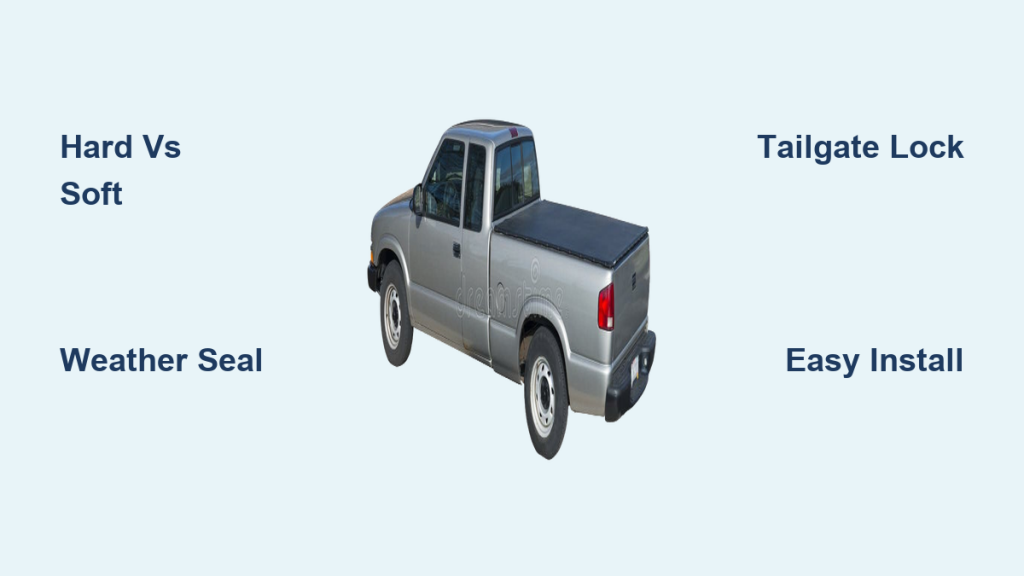
One of the biggest decisions when choosing a truck bed cover is choosing between hard and soft construction. Each option offers distinct advantages depending on your priorities.
Hard Covers for Strength and Security
Hard covers are typically built from aluminum, fiberglass, or composite panels. They deliver superior protection against break-ins, impacts, and harsh weather. Fiberglass models often match the truck’s body lines for a seamless, factory-style appearance. Aluminum covers are lightweight and handle extreme temperatures well.
These covers usually integrate with your tailgate lock, making them difficult to tamper with. The trade-offs include higher cost, added weight, and a more involved installation.
Soft Covers for Lightweight Convenience
Soft covers use vinyl or heavy-duty fabric stretched over aluminum or steel bows. They are lighter, easier to install, and far less expensive than hard covers. Many DIYers appreciate that they can be removed in minutes when more bed space is needed.
However, soft covers offer limited security and can degrade faster under UV exposure or heavy rain. They are best for budget-conscious buyers or seasonal use.
Prioritize Weather Protection

Keeping cargo dry is one of the main reasons to install a cover in the first place. Look closely at how each model handles water, snow, and dust.
Sealed Edges and Tight Fit
The most weather-resistant covers feature compression seals or rubber gaskets around the perimeter. These seals close the gap between the cover and the bed rails, preventing moisture from seeping in during heavy rain.
Retractable and folding hard covers typically provide the best seal. Soft covers vary widely; premium versions include integrated weather stripping, while budget models rely on tension alone.
Built-In Drainage Systems
Some premium hard covers include internal drainage channels that route water through small tubes at the corners of the bed. This prevents pooling and reduces stress on the cover over time.
If you live in a rainy or snowy region, drainage systems are well worth the added cost. Covers without proper drainage can sag, leak, or wear out prematurely.
Evaluate Security Features
A truck bed full of tools, sports gear, or electronics is a tempting target. The right cover should deter theft and keep valuables out of sight.
Integrated Tailgate Locking
The most secure covers sync with your truck’s tailgate lock. When the tailgate is locked, the cover cannot be opened without forcing it. Retractable and hard folding models often include this feature as standard.
Soft covers usually require separate padlocks or locking rails, which are easier to bypass. If you frequently leave equipment on job sites, a hard cover with built-in locking is the safer choice.
Tamper-Resistant Construction
Look for covers with hidden hinges, reinforced latches, and non-removable hardware. These small details make it much harder for someone to pry the cover open from the side or rear. Avoid models with visible gaps when closed, as these signal weak points to thieves.
Consider Ease of Installation
Most truck bed covers can be installed at home with basic tools, but the time and effort vary by style. Choose one that matches your DIY comfort level.
Clamp-On vs Rail-Mounted Systems
Many soft roll-up covers use a clamp-on design that attaches to the inside of the bed rails with adjustable clamps. Installation typically takes 30 to 60 minutes and requires no drilling.
Hard covers and some folding models use a rail-mounted system that bolts directly into the bed. These are more secure but often require drilling and precise alignment.
Tools and Time Estimates
Basic roll-up covers usually include everything needed for installation. A wrench or Allen key is typically all you need. Retractable and hard folding models can take 1 to 2 hours, especially without a helper.
Pro tip: Have a second person hold the cover in place during alignment. It makes the process faster and reduces the risk of misalignment.
Factor in Fuel Efficiency

Adding a truck bed cover can also improve your gas mileage. Open beds create aerodynamic drag, forcing the engine to work harder at highway speeds.
Aerodynamic Benefits
A closed, streamlined cover reduces turbulence over the bed. Real-world tests show that truck bed covers can improve fuel economy by 5 to 10 percent, depending on driving conditions.
Low-profile hard covers like flush-mounted fiberglass lids offer the best aerodynamics. Soft roll-ups provide some benefit but less than rigid models due to their looser fit and higher profile.
Long-Term Savings
If you drive 15,000 miles a year and average 18 mpg, a 7 percent fuel improvement could save over 60 gallons annually. At $3.50 per gallon, that adds up to around $210 in yearly savings, helping offset the cost of a mid-range cover.
Choose the Right Access Style

Even the most secure cover is useless if it’s awkward to open. Consider how often you need full or partial bed access.
Retractable Covers
These slide open with a handle, letting you uncover just a portion of the bed or the entire space. They offer excellent sealing but can jam if debris collects in the tracks.
Tri-Fold and Double-Pull Covers
Tri-fold hard covers open in three hinged panels, allowing front, middle, or full access. Double-pull soft covers split down the center and roll toward the sides, giving complete bed access without removing the cover.
Snap and Roll Covers
Basic soft covers fasten with side snaps or clamps and roll up at the front. They are inexpensive and simple, but unlatching both sides can be inconvenient in cold weather or frequent use.
Confirm Compatibility and Fit
Not every cover fits every truck. Even within the same brand, bed lengths and rail systems vary widely.
Know Your Truck’s Specs
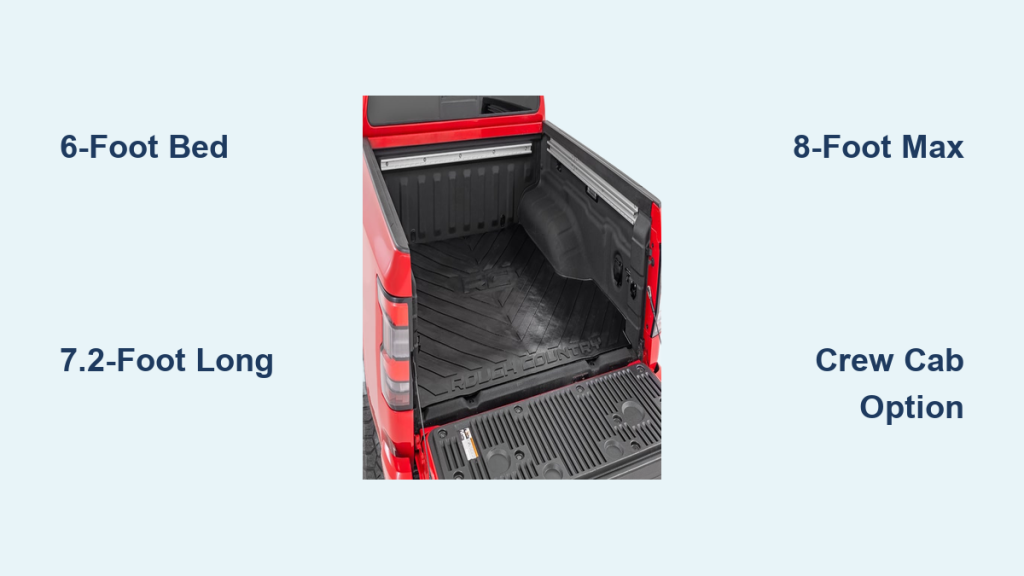
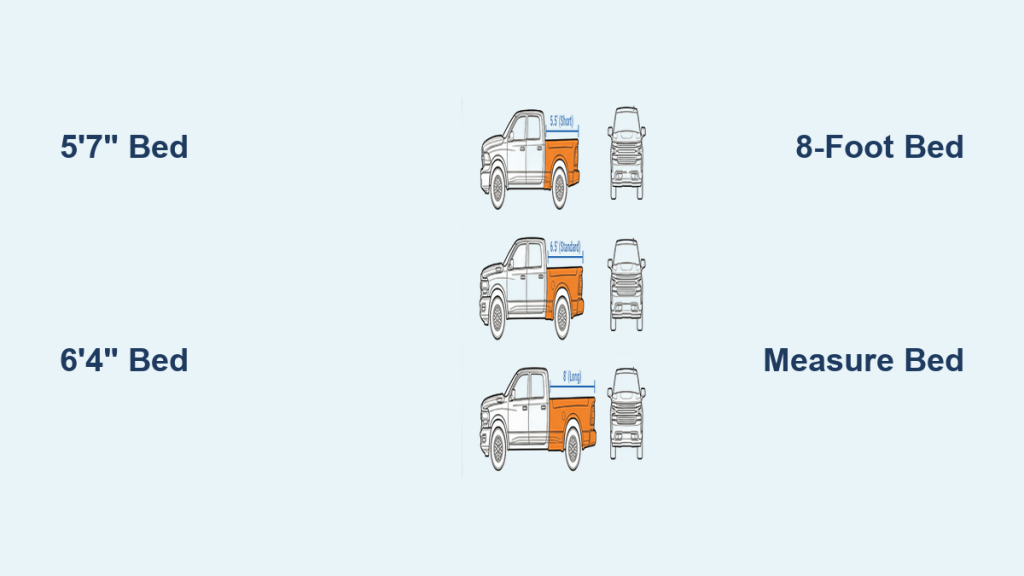
Before purchasing, confirm your truck’s make, model, and year, along with bed length (such as 5.5 ft, 6.5 ft, or 8 ft) and bed style, including rail type and tailgate design. Many manufacturers provide online fitment guides to verify compatibility.
Avoid Universal Fit Pitfalls
Universal fit covers may claim to work across multiple trucks, but they often sacrifice precision and sealing. Custom-fit covers are measured or molded for specific models, delivering better protection and a cleaner look. Paying a bit more for a custom fit pays off in performance and longevity.
Set a Realistic Budget
Truck bed covers range from $100 to over $1,000, depending on type, material, and features. Setting a clear budget narrows your options quickly.
Entry-Level Options ($100 to $300)
This range includes basic soft roll-up covers with vinyl fabric and aluminum bows. They are affordable and easy to install but offer minimal security and shorter lifespans. They work well for occasional use or temporary protection.
Mid-Range Covers ($300 to $600)
In this tier, you’ll find hard folding covers, double-pull soft lids, and entry-level retractables. These offer improved durability, better weather resistance, and often integrate with the tailgate lock. This range delivers the best balance of value and performance for most truck owners.
Premium Tier ($600 and Up)
Top-tier retractable hard covers and custom fiberglass lids dominate this category. They provide maximum security, sleek styling, and excellent aerodynamics, ideal for long-term owners who want a factory-quality finish.
Maintain Your Cover for Long-Term Performance
A quality cover can last for years with proper care. Routine maintenance keeps it looking good and functioning smoothly.
Cleaning and Lubrication
Wash your cover with mild soap and water every few weeks, especially after exposure to road salt, dust, or tree sap. Avoid harsh chemicals that can degrade seals or fabric. For retractable models, apply silicone spray to the tracks every few months to prevent sticking.
Inspect for Wear
Check periodically for:
– Cracks or warping in hard panels
– Faded or brittle soft material
– Loose clamps or mounting hardware
– Damaged seals or gaskets
Address small issues early. Replacing a seal is far cheaper than replacing the entire cover.
Final Tips Before You Buy
Before making your purchase, run through these final checks to ensure you get the right cover for your truck.
Read Real User Reviews
Look for customer feedback on retail sites and owner forums. Pay attention to comments about ease of installation, long-term durability, and weather performance. Recurring complaints about leaking corners or stiff mechanisms are red flags.
Choose Reputable Brands
Stick with established manufacturers like TruXedo, BakFlip, Extang, Retrax, and Access. They offer better warranties, precise fitment, and reliable customer support. Avoid unknown brands with vague specifications.
Review Warranty and Return Policy
Most quality covers include a 3- to 5-year warranty against defects and premature wear. Some even cover hardware for life. Confirm the seller allows returns if the fit isn’t right.
Frequently Asked Questions About Truck Bed Covers
What type of truck bed cover is best for security?
Hard covers with integrated tailgate locking offer the best security. Retractable and hard folding models typically sync with your truck’s existing lock, making them difficult to tamper with.
Do truck bed covers really improve fuel economy?
Yes. By reducing aerodynamic drag, a closed truck bed cover can improve fuel efficiency by 5 to 10 percent, especially at highway speeds.
Are soft truck bed covers waterproof?
Most soft covers are water-resistant, not fully waterproof. Premium models with integrated seals and drainage systems perform better in heavy rain, but no soft cover is completely impervious to water over time.
How long does it take to install a truck bed cover?
Soft roll-up covers usually install in 30 to 60 minutes with basic tools. Retractable and hard folding covers typically take 1 to 2 hours, especially without assistance.
Can I install a truck bed cover without drilling?
Many soft covers use clamp-on designs that require no drilling. Hard covers and some folding models often involve bolting rails into the bed, which may require drilling. Always check the manufacturer’s instructions before purchase.
What is the best truck bed cover for the money?
Mid-range hard folding covers in the $300 to $600 range typically offer the best combination of durability, security, and weather protection for most truck owners.
Final Thoughts on Choosing the Right Truck Bed Cover
Picking the right truck bed cover comes down to balancing three key factors: protection, convenience, and cost. Start by identifying how you use your truck, then decide between hard and soft construction based on your security and durability needs. Don’t overlook weather sealing, installation ease, and fitment, since these details determine long-term satisfaction.
A well-chosen cover will keep your cargo dry, deter theft, and even save you money at the pump. Use this guide to compare your options, set a realistic budget, and invest in a cover that matches your truck and your lifestyle. With the right choice, you’ll enjoy better functionality, sharper styling, and peace of mind every time you hit the road.