A quick stop at the store can turn into a frustrating mess when grocery bags slide, tip, or spill across your open truck bed. Loose cans roll around, bread gets crushed, and frozen items thaw in the sun. Whether you’re running a weekly errand or hauling bulk supplies, the open bed of a pickup creates real challenges for safe grocery transport.
The good news? With the right preparation and a few smart tools, you can turn your truck bed into a reliable grocery hauler. This guide covers practical loading techniques, weather protection, and organization tips to keep your food secure, fresh, and undamaged from store to kitchen.
Secure the Load Before You Drive

An open truck bed offers no walls to hold bags in place, so even a gentle turn can send groceries sliding. Securing your load protects both your food and other drivers on the road.
Use Cargo Nets or Bed Dividers
A heavy-duty cargo net stretched across the bed holds soft bags and lightweight items in place. For better separation, install a bed divider that fits between the wheel wells. Dividers create distinct compartments, stopping heavy items from crushing lighter ones like chips or produce.
Add a Rubber Bed Mat for Grip
Smooth metal beds let plastic bags slide with little effort. A rubber or textured polymer mat increases friction and keeps bags from shifting during acceleration or braking. Bed mats also protect your truck’s paint from scratches and punctures.
Stack Heavy Items on the Bottom
Place cases of water, canned goods, and pet food at the bottom of the pile, ideally near the cab. This lowers your cargo’s center of gravity and prevents fragile items like eggs or bread from being crushed.
Shield Groceries from Weather and Sun

An open bed leaves your groceries exposed to rain, wind, dust, and heat. Even a short drive in the wrong conditions can ruin perishables.
Cover the Load with a Tarp or Tonneau Cover
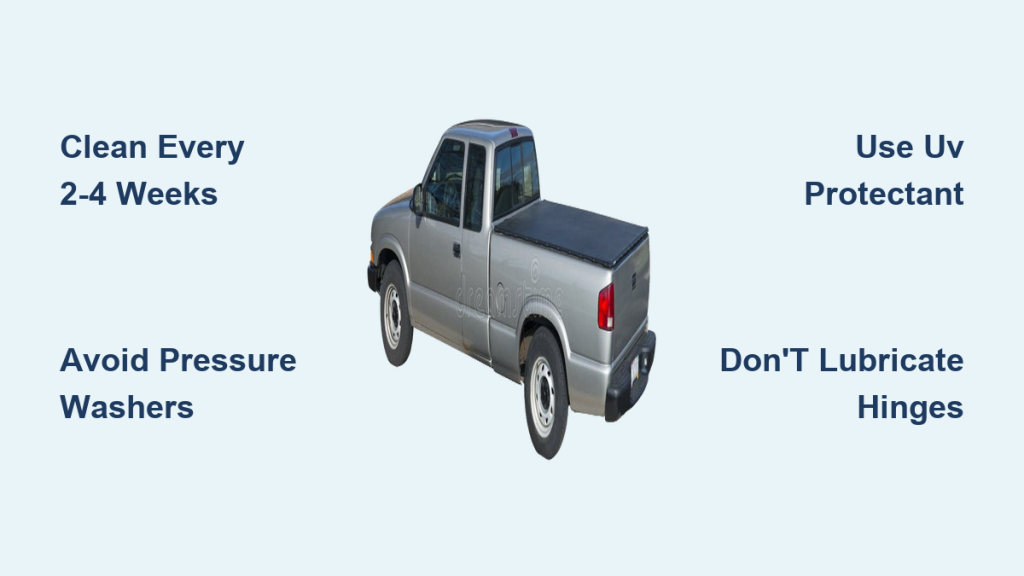
A waterproof tarp secured with bungee cords blocks rain and wind. For frequent haulers, a retractable tonneau cover offers faster access and better security. Both options keep moisture and debris off your food.
Pack Liquids in Leak-Proof Bins
Milk, juice, and meat juices can create a mess if bags tear. Place these items in plastic totes with secure lids. Label bins as “Perishable” or “Fragile” so you handle them with care and unload them first.
Keep Perishables Out of Direct Sunlight
Metal truck beds absorb heat fast, even on mild days. Dairy, frozen foods, and raw meat can spoil quickly when left in the sun. Use insulated coolers or plan a direct route home to limit heat exposure.
Drive Smoothly to Prevent Shifting
Your driving habits matter as much as how you load the truck. Sudden moves can undo even the best packing job.
Brake and Accelerate Gradually
Sharp starts send bags sliding backward, while hard stops send them flying forward. Gentle inputs keep your load stable and reduce the chance of toppled items.
Take Corners at Reduced Speed
Wide bags like chips or bread can tip during sharp turns. Slow down before curves and avoid sudden lane changes, especially when the bed is partially loaded.
Check the Load on Long Trips
For longer drives, pull over after a few miles and inspect your cargo. Tighten loose straps, reposition shifted items, and confirm tarps or covers are still secure. A quick check prevents bigger problems later.
Organize the Bed for Easy Unloading
A well-organized truck bed saves time and effort when you arrive home. Smart loading means fewer trips from truck to kitchen.
Group Items by Destination
Pack kitchen staples together, fridge items in another section, and pantry goods separately. This system lets you carry each bag directly to the right spot without sorting through everything.
Load Last What You Need First
Place items you want to grab first, like frozen foods or pet supplies, on top of the pile or near the tailgate. This “last in, first out” method keeps essentials accessible without unloading everything else.
Use a Padded Tailgate Mat
A cushioned tailgate cover protects your groceries from scratches when you set bags down. It also gives you a clean surface for sorting items before carrying them inside.
Invest in Truck Bed Organizers
If you haul groceries often, a few upgrades can make every trip easier and safer.
Add a Lockable Storage Box
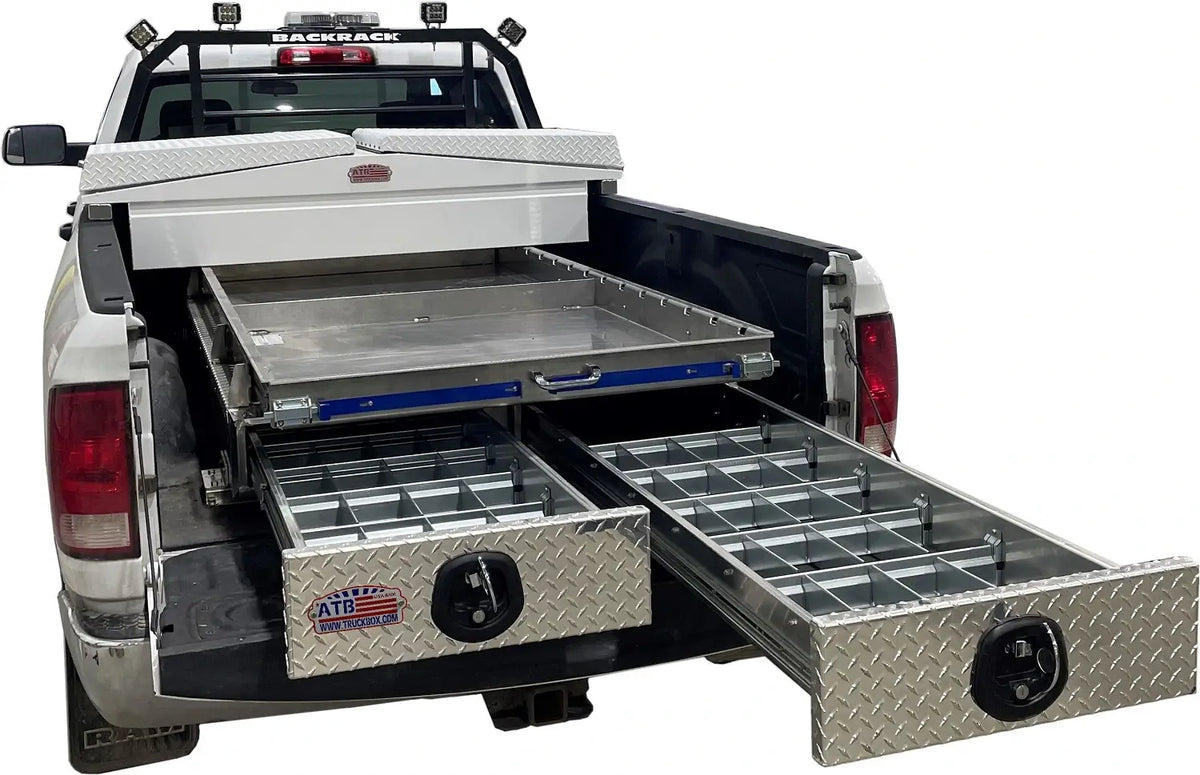
A mounted bed box against the cab keeps valuables and small items secure. Use it for snacks, cleaning supplies, or emergency food. Some models double as seating or step stools.
Install Slide-Out Drawers
Slide-out trays let you organize groceries like drawers in a pantry. Store canned goods, dry pasta, or pet food in labeled bins for fast access without digging through loose bags.
Add LED Bed Lighting
If you shop early in the morning or late at night, LED lights mounted in the bed improve visibility. Battery-powered or hardwired options help you see what you’re carrying and avoid misplaced items.
Explore Alternatives for Regular Hauls
If weekly grocery runs are wearing you down, consider alternatives that take the hassle out of truck bed hauling.
Try a Foldable Utility Cart
Load groceries into a cart at the store, roll it into the bed, then roll it out at home. This reduces heavy lifting and speeds up unloading, especially for large hauls.
Consider a Rooftop Cargo Box
A rooftop cargo box frees up your bed for other gear while keeping groceries enclosed and protected from weather. It’s a solid option for long trips or bulk shopping.
Switch to an Enclosed Vehicle for Frequent Use
If you haul groceries several times a week, a covered SUV or van may be more practical. Enclosed cargo areas stay secure, temperature-controlled, and out of sight, which is ideal for perishables and high-value items.
Frequently Asked Questions About Hauling Groceries in a Truck Bed
Is it safe to haul groceries in an open truck bed?
Yes, as long as you secure the load with nets, straps, or dividers and protect items from weather. Unsecured bags can shift, fall out, or cause accidents, so always take precautions before driving.
How do I keep groceries from sliding in the truck bed?
Use a rubber bed mat for grip, stack heavy items on the bottom, and cover the load with a cargo net or tarp. Dividers also help by creating separate compartments for different items.
What’s the best way to keep frozen food cold during transport?
Place frozen items in an insulated cooler with ice packs and keep them out of direct sunlight. Plan a direct route home and unload frozen goods first to minimize thaw time.
Can I haul refrigerated groceries in a truck bed in hot weather?
Yes, but use insulated bins or coolers and avoid leaving items in the sun. Park in shade when possible and drive straight home to keep temperatures safe for dairy, meat, and frozen goods.
Do I need a tonneau cover to haul groceries?
A tonneau cover helps protect groceries from rain and theft, but it’s not required. A tarp secured with bungee cords offers similar protection at a lower cost.
How can I unload groceries faster from a truck bed?
Group items by destination before loading, place priority items on top, and use a padded tailgate mat for sorting. A foldable utility cart also speeds up the trip from truck to kitchen.
Key Takeaways for Safe and Easy Grocery Hauling
Hauling groceries in a truck bed works well when you plan ahead. Secure every load with nets, mats, or dividers, and always protect perishables from heat and sun. Drive smoothly, check your cargo on longer trips, and organize the bed by destination to make unloading fast and easy.
Pro Tip: Keep a small “grocery kit” in your truck with bungee cords, a tarp, a bed mat, and a foldable cart. Having these tools ready turns any pickup into a grocery hauling machine on short notice.