You’re hauling a load of lumber, bags of gravel, or equipment when suddenly you notice the rear suspension straining, the truck sagging, or the handling feeling unstable. You might even see a warning label in your truck bed stating a maximum payload of 1,500 pounds and realize you’re dangerously close to (or past) the limit. Exceeding your truck bed’s weight capacity isn’t just risky for performance. It can lead to suspension damage, brake wear, tire failure, or even accidents. The good news? There are practical, proven ways to increase truck bed weight capacity safely and effectively.
This guide breaks down the most reliable methods to maximize your hauling potential without compromising safety. From upgrading key components like suspension and tires to optimizing load distribution and using payload-boosting accessories, you’ll learn how to get the most out of your truck. Whether you drive a half-ton pickup or a heavy-duty workhorse, these strategies will help you haul heavier loads confidently, without voiding warranties or risking long-term damage.
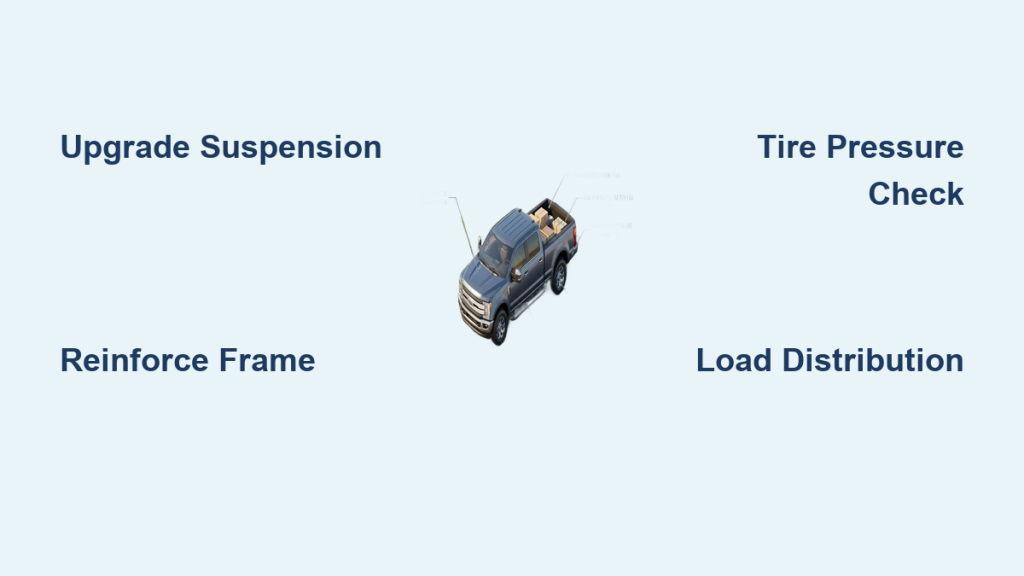
Upgrade Your Suspension System for Heavier Loads
Your truck’s suspension is the primary factor determining how much weight the bed can safely carry. Stock springs and shocks are designed for average loads, not max hauling. Upgrading gives you better support, reduces sag, and improves control.
Install Heavy-Duty Leaf Springs
Leaf springs are the backbone of most truck rear suspensions. Replacing factory springs with heavy-duty versions increases load-bearing strength. Look for multi-leaf packs with higher load ratings, common in commercial or fleet trucks.
- Adds 500–1,000 lbs of effective capacity
- Reduces bed sag under heavy loads
- Improves ride stability when hauling
Choose OEM-plus designs or aftermarket brands like Deaver, Alcan, or Timbren. Ensure compatibility with your truck’s make, model, and GVWR.
Add Air Helper Springs for Adjustable Support
Air helper springs (or airbags) install alongside existing leaf springs and let you adjust support based on load. They’re ideal for drivers with variable payload needs.
- Inflate when hauling, deflate when empty
- Prevents uneven tire wear and bottoming out
- Can support up to 5,000 lbs depending on model
Popular kits from Firestone, Air Lift, and SumoSprings offer easy installation and real-time pressure control via onboard compressors.
Replace Shocks with Load-Leveling Units
Stock shocks dampen motion but don’t add load capacity. Upgrading to load-leveling shocks enhances stability and keeps the truck level under weight.
- Bilstein, Rancho, and Fox offer heavy-duty options
- Work best when paired with spring upgrades
- Reduce sway and brake dive during loaded stops
These shocks won’t increase GVWR but improve safety and ride quality when pushing limits.
Reinforce the Frame and Bed Structure

Even with a strong suspension, a weak frame or bed can fail under stress. Structural reinforcement ensures weight is properly supported and distributed.
Install Bed Jacks or Load Supports
Bed jacks are adjustable steel supports that mount between the bed and frame. They transfer weight directly to the frame rails, reducing stress on the bed floor.
- Ideal for long-bed hauls (lumber, steel beams)
- Prevents bed warping or cracking
- Easy to install and remove
Use when carrying long, heavy items that span the bed length. Avoid over-tightening, which can distort the bed.
Add Frame Reinforcement Kits
Some trucks, especially older models or those used commercially, benefit from frame gussets or C-channel reinforcements.
- Weld or bolt-on kits strengthen weak points
- Prevent frame flex and metal fatigue
- Often used in off-road or towing builds
Consult a certified welder or mechanic to avoid compromising structural integrity.
Use Steel Bed Liners or Underlay Supports
While plastic bed liners protect against scratches, steel inserts or underlay supports add rigidity.
- Steel drop-in beds (like MAC or Dee Zee) handle more weight
- Distribute point loads across a wider area
- Resist punctures from sharp or heavy cargo
Avoid relying on spray-on or plastic liners for heavy-duty use, as they offer no structural benefit.
Optimize Your Tire and Wheel Setup

Tires are the only part of your truck touching the ground. Their load rating directly affects how much weight you can safely carry.
Upgrade to Load Range E Tires
Factory tires may be Load Range D (6-ply), but Load Range E (10-ply) tires offer higher weight capacity and sidewall strength.
- Check sidewall for “Load Range E” or “10PR”
- Typically rated for 3,000+ lbs per tire
- Better heat resistance under heavy loads
Popular choices include BFGoodrich All-Terrain T/A KO2 and Goodyear Wrangler Duratrac. Ensure your wheels can support the increased air pressure (up to 80 psi).
Maintain Proper Tire Pressure
Underinflated tires reduce load capacity and increase blowout risk. Always inflate to the maximum psi listed on the tire sidewall when hauling.
- Use a digital tire gauge before each heavy trip
- Adjust pressure based on load (higher for heavy, lower when empty)
- Monitor temperature, since overheating reduces tire strength
Never exceed tire pressure limits.
Avoid Aftermarket Wheels That Reduce Capacity
Larger, heavier wheels (like 20-inch alloys) may look great but often have lower load ratings than factory steel wheels.
- Stick to OEM-spec load ratings
- Choose lighter, stronger wheels if upgrading
- Check wheel specs for “max load” and “psi rating”
A flashy wheel that can’t handle the weight is a safety hazard.
Master Load Distribution Techniques
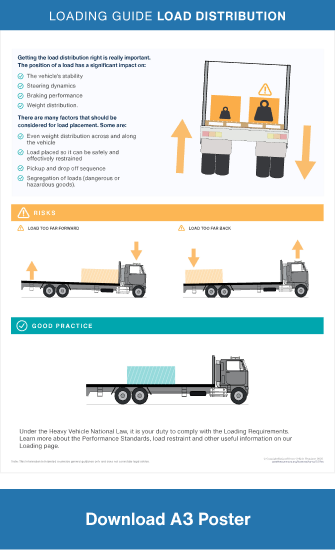
Even with upgrades, poor load placement can make your truck handle like it’s overloaded, even if you’re under the GVWR.
Position Weight Over the Rear Axle
The closer the load is to the rear axle, the less leverage it exerts on the frame and suspension.
- Place heavy items directly over or slightly ahead of the rear axle
- Avoid loading too far forward (strains front suspension) or too far back (causes rear sag and fishtailing)
- Use a tape measure: ideal center of gravity is 1–2 feet in front of the axle
Use a scale or axle load calculator app to estimate weight distribution.
Secure Cargo to Prevent Shifting
Unsecured loads shift during braking or turns, creating dynamic forces that exceed static weight limits.
- Use ratchet straps, load bars, or cargo nets
- Anchor to bed tie-downs or frame-mounted D-rings
- Distribute weight evenly side to side
A 1,000-lb load that shifts sideways can act like 2,000 lbs during a turn.
Avoid Overhanging Loads Without Support
Long items like pipes or lumber often extend beyond the tailgate. Without support, they create a lever effect that stresses the rear frame.
- Use a bed extender or trailer hitch carrier for overhangs
- Support long loads with bed-mounted rollers or sawhorses
- Never exceed legal overhang limits (typically 4 feet beyond rear)
The longer the overhang, the greater the stress on the rear suspension.
Install Payload-Boosting Accessories
Certain accessories don’t increase GVWR but help you haul more effectively by redistributing weight or adding support.
Use a Weight-Distributing Hitch for Trailers
If you’re hauling a trailer, a weight-distributing hitch transfers some tongue weight to the front axle, improving bed capacity perception.
- Reduces rear-end sag
- Improves steering and braking
- Allows more cargo in bed without overloading the rear
Common on travel trailers and heavy utility trailers. Not for use with bumper-pull loads under 5,000 lbs.
Add a Transfer Axle or Dolly for Extreme Loads
For extreme loads, a transfer axle (dolly) placed under a long bed load supports weight independently.
- Used in construction and landscaping
- Can support 2,000+ lbs depending on model
- Requires secure attachment to load and truck
Only for low-speed, controlled environments.
Install a Gooseneck or Fifth-Wheel Hitch
These hitches mount over the rear axle and transfer trailer weight directly to the frame.
- Frees up bed space and reduces rear-end strain
- Allows heavier towing without affecting payload rating
- Common in heavy-duty pickups (F-350, Ram 3500, Silverado 3500)
While primarily for towing, they indirectly increase usable bed capacity by moving the load forward.
Know and Respect Your Truck’s Limits
No modification can legally increase your truck’s rated payload beyond the manufacturer’s GVWR. Always respect these limits.
Check the Payload Rating Sticker
Located on the driver’s door jamb, this label shows:
- GVWR (maximum total weight)
- Curb weight (truck weight empty)
- Payload capacity (GVWR minus curb weight)
For example, if GVWR is 7,000 lbs and curb weight is 5,500 lbs, max payload is 1,500 lbs, including passengers, fuel, and cargo.
Recalculate After Modifications
Adding heavy accessories (winches, toolboxes, liners) reduces available payload.
- Weigh your truck after upgrades (use a public scale)
- Subtract added weight from rated payload
- Never assume “stronger suspension” means “more payload”
Suspension upgrades improve handling under load but don’t change legal limits.
Avoid Overloading at All Costs
Overloading leads to:
- Premature wear on brakes, suspension, and tires
- Reduced fuel economy
- Longer stopping distances
- Potential legal liability in accidents
If you consistently need more capacity, consider upgrading to a higher-class truck (such as a 3/4-ton or 1-ton).
Maintain Your Truck for Safe Heavy Hauling
Regular maintenance ensures your truck stays safe and reliable when pushing payload limits.
Inspect Suspension Components Monthly
Check for:
- Cracked or broken leaf springs
- Leaking shocks or airbags
- Worn bushings or U-bolts
Replace worn parts immediately, since failure under load can cause loss of control.
Rotate and Replace Tires on Schedule
Heavy loads accelerate tire wear, especially on the rear axle.
- Rotate every 5,000 miles
- Replace when tread depth drops below 4/32″
- Monitor for uneven wear, which indicates alignment or balance issues
Use commercial-grade tires designed for constant heavy use.
Lubricate Moving Parts Regularly
Suspension joints, shackles, and pivot points need lubrication to prevent binding and corrosion.
- Use lithium-based grease every 3 months or 7,500 miles
- Focus on spring eyes, control arm bushings, and hitch points
Dry joints increase stress and reduce suspension effectiveness.
Frequently Asked Questions About Increasing Truck Bed Weight Capacity
Can suspension upgrades really increase my truck’s payload rating?
No. Suspension upgrades like heavy-duty leaf springs, air bags, or load-leveling shocks improve handling and reduce sag under heavy loads, but they do not legally change your truck’s GVWR. The manufacturer-set payload rating stays the same. What these upgrades do is let you operate more safely and comfortably at or near that rated limit.
What is the cheapest way to boost hauling capacity?
The most affordable method is mastering load distribution. By positioning heavy items over or slightly ahead of the rear axle, securing cargo to prevent shifting, and keeping weight evenly balanced side to side, you can dramatically improve how your truck handles under load, with no financial investment. Maintaining correct tire pressure is another free, high-impact habit.
Do weight-distributing hitches increase truck bed capacity?
They don’t increase the legal payload rating, but they do transfer a portion of the trailer’s tongue weight to the front axle and truck’s frame. This relieves strain on the rear suspension and allows you to carry more cargo in the bed without the rear sagging or steering becoming unpredictable. This is especially useful when towing heavier trailers with a half-ton truck.
Are air helper springs worth installing?
Yes, for drivers with widely varying payload needs. Air bags let you inflate additional support when hauling and deflate for a smoother ride when empty. They help prevent bottoming out, reduce suspension wear, and keep the truck level under shifting loads. Kits from Firestone and Air Lift are among the most trusted in the industry.
Will larger wheels reduce my truck’s hauling ability?
Often, yes. Aftermarket wheels (especially large-diameter alloys) frequently have lower load ratings than factory steel wheels. They also add unsprung weight, which hurts ride quality and handling when loaded. If you need maximum capacity, stick with OEM-spec wheels or choose lightweight heavy-duty aftermarket options specifically rated for your truck’s payload.
Key Takeaways for Maximizing Your Truck Bed Weight Capacity
Increasing your truck bed weight capacity is not about a single magic fix. It’s a combination of smart upgrades, proper loading habits, and consistent maintenance. While you cannot legally exceed the factory GVWR, you can safely and effectively operate closer to it by reinforcing your suspension, upgrading to Load Range E tires, and mastering load distribution.
Focus first on free or low-cost changes: correct tire pressure, balanced cargo placement, and proper securing methods. Then consider suspension upgrades like heavy-duty leaf springs or air helper springs if you regularly haul near your limit. Finally, always respect the manufacturer’s ratings. When in doubt, consult a certified mechanic or chassis specialist to ensure your modifications work together safely and effectively.