You’ve loaded a sheet of plywood into your truck bed, now what? Without proper securing, that seemingly harmless panel can become a dangerous projectile at highway speeds. Loose cargo is not only a safety hazard but also a legal liability in many states, with fines possible for improper load securement. Whether you’re hauling one sheet or a full stack, knowing how to secure plywood in truck bed properly ensures your materials arrive intact and no one gets hurt along the way. This guide walks you through the best practices, essential tools, and step-by-step methods to keep your plywood firmly in place.
From choosing the right straps to positioning the load for minimal wind resistance, every detail matters. We will cover common mistakes, like relying only on rope or over-tightening tie-downs, and show you how to use simple techniques that make a big difference. By the end, you will know exactly how to transport plywood safely regardless of truck size or weather conditions.
Choose the Right Tie-Downs for a Secure Plywood Haul
The first step in securing plywood is using equipment strong enough to handle the load. Not all straps are created equal, and weak or worn gear can fail under stress.
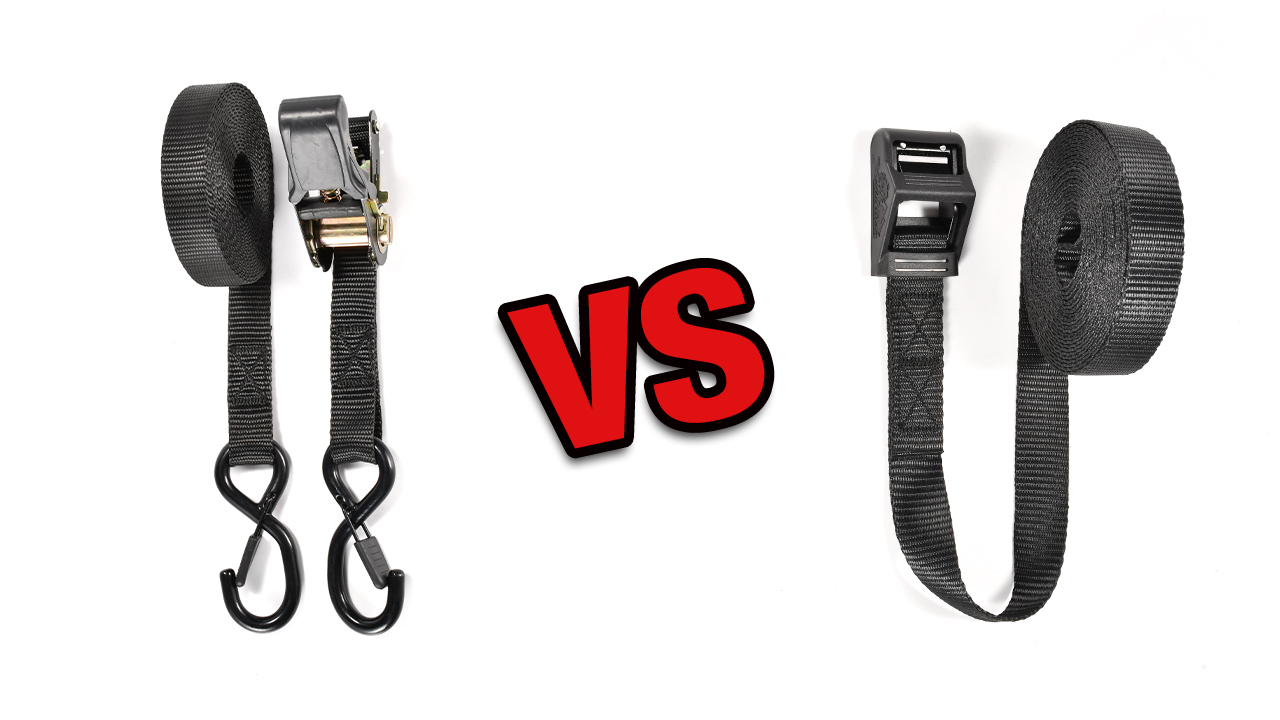
Use Ratchet or Cam Buckle Straps
Opt for ratchet straps for heavy or tall stacks. They provide maximum tension with minimal slippage. For single sheets, cam buckle straps are faster to secure and sufficient if tightened correctly. Avoid bungee cords; they stretch and lack consistent hold.
- Ratchet straps: Best for 4+ sheets or long-distance hauls
- Cam buckle straps: Ideal for quick jobs or light loads
- Minimum strap rating: 500 lbs working load limit
Avoid Rope When Possible
While rope may seem convenient, it stretches, frays, and loosens over time. Nylon and polypropylene absorb moisture and degrade in UV light, reducing strength. If you must use rope, combine it with tightening knots like the trucker’s hitch for added tension.
Position Plywood Correctly in Your Truck Bed
How you place the plywood affects stability and aerodynamics. Poor placement increases wind lift and strain on tie-downs.
Center the Load Horizontally
Always align the sheet centered side-to-side across the truck bed. This prevents uneven pressure on the rails and reduces the chance of one edge catching wind. If hauling multiple sheets, stack them evenly without overhanging left or right.
Align with Tailgate Closed
Whenever possible, keep the tailgate up and position the plywood flush against it. This blocks airflow from getting underneath and creating lift. If the tailgate is down, extra front-to-back straps are critical.
Use Bed Rails and Cleats to Secure Plywood
Your truck’s built-in anchor points are key to a secure load. Maximizing their use prevents shifting and improves control.
Attach to Factory Tie-Down Points
Most trucks come with integrated tie-down hooks in the bed corners or along the rails. These are tested to hold hundreds of pounds. Use them. Hook straps here first before routing over the load.
- Front corners: Anchor front straps
- Rear corners: Secure back straps
- Side rails: Add lateral stability
Add Removable Bed Rails if Needed
Aftermarket bed rails or load extenders give more anchor options and help block wind from blowing under the plywood. They are especially useful for long sheets that overhang the cab.
Prevent Wind Lift When Hauling Plywood
Wind is the biggest threat when hauling large, flat materials. Even a 30 mph gust can lift an unsecured sheet.
Angle Plywood Into the Wind
When possible, rotate the truck so the front of the bed faces into the wind. This reduces frontal exposure and keeps airflow moving over, not under, the load.
Lower the Stack Profile
If hauling multiple sheets, ensure they are flush and compressed with no gaps. Gaps create air pockets that increase lift. Place heavier materials at the bottom and lighter ones on top.
Apply Proper Strap Angles to Secure Plywood

The direction your straps pull makes a huge difference in effectiveness. Poor angles reduce holding power, even with tight straps.
Use 45° Front and Rear Straps
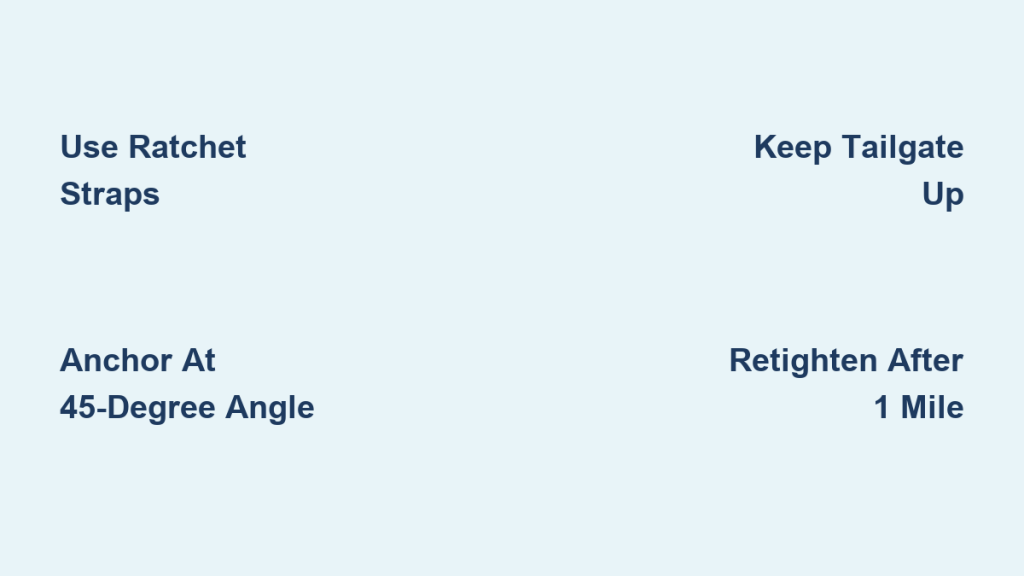
For maximum hold, route straps from the corners of the plywood to the front and rear tie-downs at roughly a 45-degree angle. This balances downward and forward/backward forces.
- Front straps: Pull toward the cab
- Rear straps: Pull toward the tailgate
- Avoid vertical-only pulls, as they allow side-to-side movement
Add Side Straps for Wide Loads
If the plywood overhangs the bed width, even slightly, use lateral straps from side rails to the middle of the sheet. Two side straps complete a full 4-point securement system.
Check and Recheck Tension During Transport
A strap that is tight at departure can loosen after a few miles. Vibration, wind, and road bumps all affect tension.
Retighten After First Mile
Drive slowly for the first mile, then pull over safely and recheck all straps. This is when most initial loosening becomes apparent. Re-tension any that have relaxed.
Inspect Midway on Long Trips
For hauls over 20 miles, stop halfway to verify nothing has shifted. Look for:
- Gaps under the plywood
- Twisted or frayed straps
- Movement at anchor points
Use Edge Protectors to Prevent Damage and Slippage
Straps digging into plywood edges can cut through the veneer or compress the core, weakening the hold.
Place Foam or Rubber Guards
Slide edge protectors under straps where they contact the plywood. These distribute pressure and prevent damage. You can buy dedicated strap pads or use split pool noodles as a budget alternative.
- DIY option: Cut a pool noodle lengthwise
- Commercial option: Padded strap guards with webbing
- Avoid bare metal hooks directly on wood edges
Follow Legal Load Limits When Hauling Plywood
Even a perfectly secured load can violate transportation laws if it overhangs too far.
Limit Overhang to 2 Feet Front, 4 Feet Rear
Most states allow:
- Up to 2 feet of overhang in front of the truck
- Up to 4 feet in back
- Over 4 feet? You will need a red flag or marker during daylight and a red light at night
Check local regulations before hauling oversized sheets. Some areas require permits for extreme overhangs.
Handle Over-Cab Loads Safely
When plywood extends past the cab, aerodynamics shift dramatically.
Keep Overhang Minimal
The longer the sheet extends forward, the more lift it generates. If possible, reverse-load the plywood by placing the front edge near the tailgate so only the back overhangs.
Secure with Cab-Top Protection
If the sheet must go over the cab, place a soft barrier (like a blanket) where it touches the roof to prevent scratches. Use extra side straps anchored to the truck’s frame or roof rails if available.
Frequently Asked Questions About Securing Plywood in a Truck Bed
What is the best way to secure plywood in a truck bed?
Use ratchet or cam buckle straps with a minimum 500 lb working load limit, anchored to factory tie-down points at a 45-degree angle. Always center the load, keep the tailgate up, and retighten straps after the first mile.
Can I use bungee cords to secure plywood?
No. Bungee cords stretch under load and do not provide consistent holding power. They are unsuitable for securing plywood at highway speeds and can fail unexpectedly.
How much can plywood overhang a truck bed legally?
Most states allow up to 2 feet of overhang in front and 4 feet in the rear. Loads exceeding 4 feet of rear overhang require a red flag during the day and a red light at night.
How many tie-down straps are needed for plywood?
For single sheets, two front-to-back straps are the minimum. For stacks or wide loads, add two lateral side straps to create a full 4-point securement system.
Should plywood be loaded with the tailgate up or down?
Always keep the tailgate up when possible. This blocks airflow from getting under the load, which reduces dangerous wind lift during transport.
Key Takeaways for Securing Plywood in Your Truck Bed
Securing plywood properly comes down to three essentials: strong straps, correct angles, and wind-aware positioning. Use ratchet or cam buckle straps rated for at least 500 lbs, anchor them at 45-degree angles to factory tie-down points, and always retighten after the first mile.
Mind your overhang limits (2 feet front, 4 feet rear) and use edge protectors to keep both your load and your straps in good shape. Before your next haul, take five minutes to inspect your tie-downs and plan your load placement. A little preparation prevents dangerous road hazards and keeps you on the right side of the law.