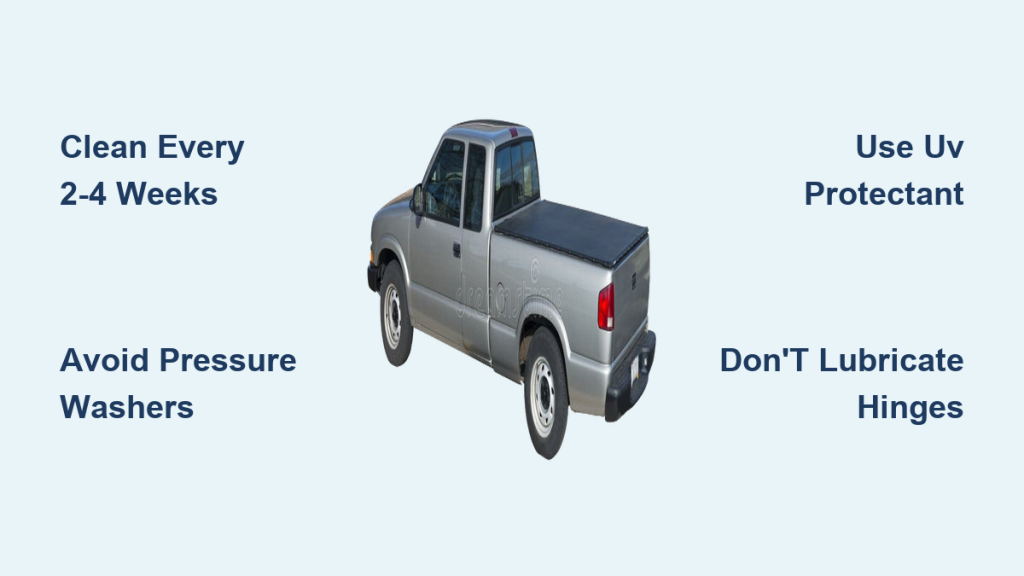
Nothing ruins a winter morning faster than heading out to your truck, ready to work, only to find your tonneau cover frozen shut. Ice locks the seals, rails, and hinges in place, making it nearly impossible to open without risking damage. This common issue affects all tonneau cover types, including soft roll-up, hard roll-up, folding, and hard folding models, especially when moisture sneaks into seams and freezes overnight. Cold temperatures also stiffen vinyl and rubber, increasing the chance of tears when forced open. But with the right preventive steps, you can keep your cover opening smoothly all winter long.
The key is stopping ice before it forms. Moisture from snow, freezing rain, or even condensation gets trapped along contact points and turns into a solid barrier. Repeated freeze-thaw cycles only make it worse. Fortunately, proven methods like silicone lubrication, ski wax, and proper positioning can prevent most freezing issues. This guide breaks down exactly what works by cover type and what to do if your cover does freeze.
Why Tonneau Covers Freeze Shut in Winter
Understanding the freezing mechanism helps you prevent it. Water from melting snow or freezing rain seeps into the small gaps between your cover and the truck bed rails. When temperatures drop overnight, this moisture turns to ice, effectively gluing the cover to the tailgate and side rails. The problem worsens with repeated freeze-thaw cycles because each cycle allows water to penetrate deeper into seals and seams.
Cold weather also affects the materials themselves. Vinyl and EPDM rubber become brittle and less flexible in freezing temperatures. A cover that operated smoothly in summer may resist movement when temperatures plunge, especially if it was left folded or rolled up. This stiffening increases the risk of tearing or cracking if you force the cover open.
All cover types face these challenges, though some are more vulnerable than others. Soft roll-up covers have more fabric and seal exposure. Hard roll-up covers can experience ice welding in their aluminum slat grooves. Folding covers trap moisture between overlapping panels. Knowing your cover type helps you apply the right prevention method.
Lubricate Seals and Rails with Silicone
Silicone spray is the number one recommended solution for preventing tonneau cover freeze. It creates a moisture-repelling barrier that keeps ice from bonding to rubber, vinyl, and metal. Unlike greasy lubricants, silicone will not attract dirt or damage your truck’s finish. Apply it using a lint-free cloth rather than direct spray to avoid overspray on your paint job.
Focus your lubrication efforts on these critical areas. Apply silicone to the side rails where the cover contacts the truck bed. Treat the front rail and tailgate seal interface thoroughly. Don’t forget hinge points and folding joints if you have a folding cover. For roll-up covers, spray the roller tube tracks inside the rails.
After applying silicone, operate the cover several times to work the lubricant into all contact points. This ensures even coverage and prevents sticky spots where the cover might bind. Reapply silicone before winter starts, then again after heavy snow or ice events, and every four to six weeks during harsh winters.
Skip WD-40 and Vaseline
Many truck owners reach for WD-40 or petroleum jelly as quick fixes, but these cause more harm than good. WD-40 evaporates quickly and leaves no lasting protective barrier. It also attracts dirt and grime, which actually increases freeze potential. Vaseline may seem like a good moisture blocker, but it can cause EPDM rubber seals to swell, crack, or deteriorate over time.
Ammonia-based cleaners like Windex weaken vinyl and dull your cover’s appearance. Avoid these products entirely when maintaining your tonneau cover. Stick to pure silicone formulas specifically designed for weatherstripping and rubber seals. Products like Roadmaster LubeMaster or PB Blaster Silicone Spray provide lasting protection without damaging your materials.
Apply Ski Wax to Hard Covers
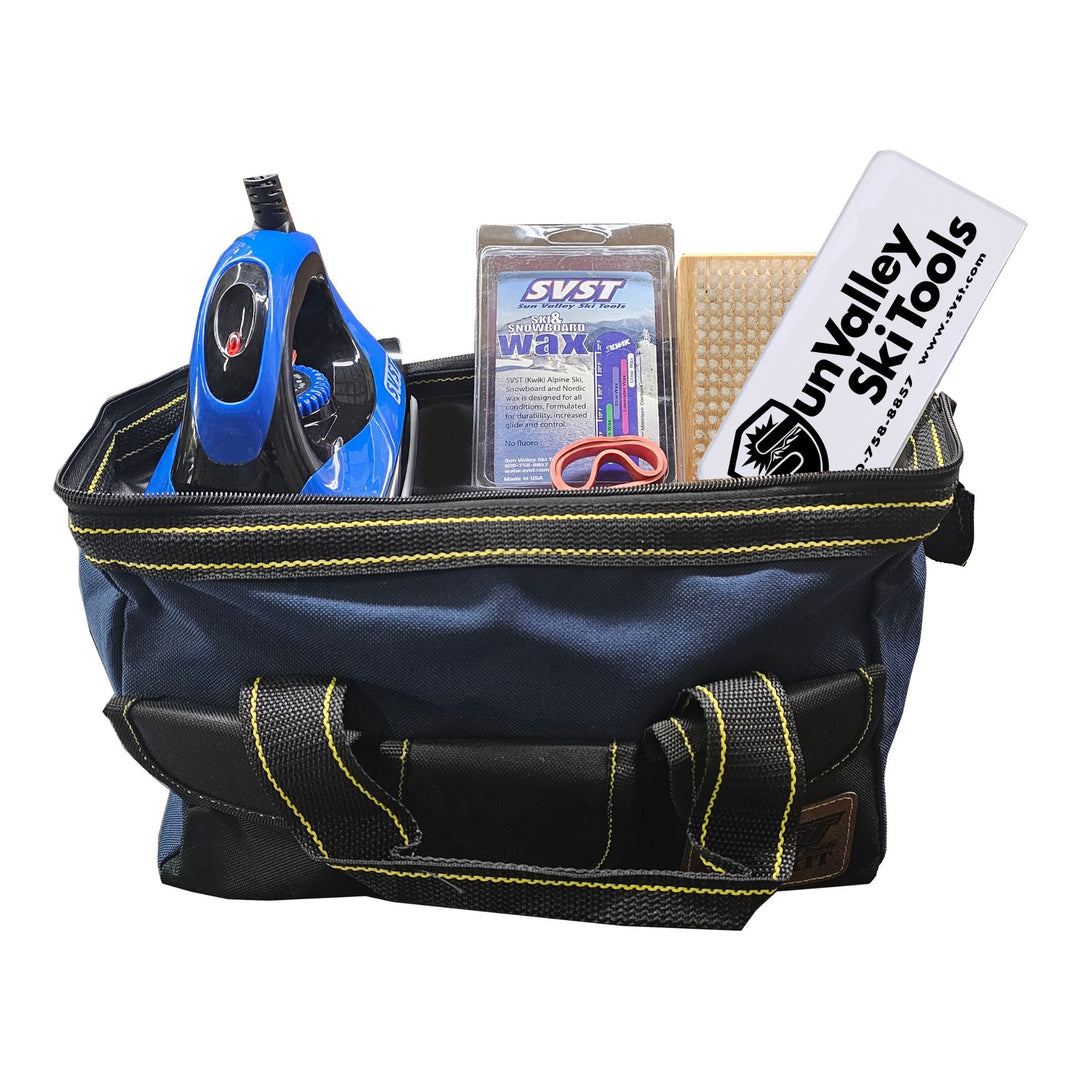
Ski wax is not just for the slopes. It works remarkably well on hard tonneau covers because it creates a hydrophobic surface that repels water and reduces ice adhesion. The wax fills microscopic pores in aluminum and composite surfaces, making it harder for ice to bond.
Choose temperature-specific wax for best results. Swix Red works well in temperatures ranging from thirty-four degrees Fahrenheit down to twenty-five degrees Fahrenheit. For colder conditions between twenty-eight degrees and eighteen degrees Fahrenheit, use the Swix Seven Series. Using the wrong temperature-rated wax reduces effectiveness significantly.
Apply ski wax to your cover’s contact points using a clean cloth. Focus on the seams between hard folding panels, rail contact points, and the tailgate interface. Buff lightly after application to create a smooth, even layer. This treatment lasts longer than spray lubricants and is especially effective after freeze-thaw cycles.
Note that ski wax is designed for hard, smooth surfaces only. Do not apply it to soft roll-up or soft folding covers made from vinyl or fabric. The wax will not bond properly and may create a messy residue.
Leave Cover Extended During Freezing Weather
Cold temperatures cause vinyl and rubber to contract. When your cover is retracted or folded, this contraction puts stress on seals and mechanisms. Trying to extend a frozen, contracted cover in freezing temperatures creates binding and increases damage risk.
During cold spells, leave your tonneau cover in the extended or fully open position when your truck is parked. This allows materials to relax rather than contract tightly against each other. The open position reduces stress on folding hinges, roller mechanisms, and tensioned seals.
This approach may seem counterintuitive since you want to protect your truck bed from snow. However, a relaxed cover is far less likely to freeze shut. Just remember to clear any accumulated snow from the cover surface to avoid excess weight and moisture penetration.
Clean Your Cover Before Winter
Dirt, salt, and grime trap moisture against your cover’s surface, creating perfect conditions for ice formation. Road salt is particularly problematic because it accelerates corrosion and degrades rubber seals. A dirty cover is essentially a freezing magnet.
Wash your cover with mild automotive soap and lukewarm water. Use a soft sponge or microfiber cloth to avoid scratching. Avoid high-pressure washing because it can force water into seals and mechanisms where it will later freeze. Rinse thoroughly and dry completely with a chamois or clean towel.
After cleaning, apply a vinyl or plastic protectant to add another layer of defense against moisture. Avoid car wax unless your cover has a painted finish. Schedule this cleaning before winter begins, then clean at least once monthly during winter, especially after snow or salt exposure.
Inspect and Tighten Hardware Monthly
Loose hardware causes misalignment, which allows water to seep into gaps where it freezes. Inspect your mounting clamps, bolts, and brackets every week during winter. Tighten any loose components you find.
Examine the rubber seals for signs of damage. Look for brittleness, visible cracks, or gaps when the cover is closed. Damaged seals are entry points for moisture and should be replaced immediately. Even small gaps can lead to major freezing problems later.
Check rail alignment while you’re inspecting. Misaligned rails can pinch seals or create gaps where ice forms. Proper alignment ensures even contact and prevents weak points where moisture can penetrate.
Remove Snow After Every Storm
Heavy, wet snow adds weight and eventually melts into water that freezes overnight. Use a plastic snow brush or soft-bristled push broom to clear your cover after every storm. Avoid metal shovels because they can scratch hard cover surfaces.
Do not let snow sit on your cover, even if it looks light and fluffy. Snow can compact or melt and refreeze into a solid ice layer. For hard covers rated to handle weight, light snow is generally fine, but wet snow always needs removal.
Pay special attention to folding covers with overlapping sections. Snow collects in these joints and freezes between panels, making folding difficult or impossible. Clear these areas carefully to prevent ice buildup.
Safely Thaw a Frozen Cover
If your cover freezes despite your best efforts, do not force it open. Forcing a frozen cover risks tearing seals, cracking vinyl, or damaging hinges. Instead, wait for partial thawing from sunlight or rising temperatures. Even fifteen minutes of sun can loosen ice bonds enough to open the cover.
Apply lukewarm water along frozen seams, rails, and the tailgate seal. Use a spray bottle or jug and pour carefully along the freezing points. Avoid boiling water because thermal shock can damage materials. Be aware that water may refreeze if temperatures remain below freezing.
Spray automotive de-icer on contact points like rails, seals, and hinges. Products like CRC Ice Out or Prestone work well for this purpose. Wait thirty to sixty seconds for the ice to loosen. Keep a de-icer spray in your truck for emergencies.
Use plastic tools to gently break ice bonds. A credit card, plastic spatula, or rubber-edged ice scraper can separate frozen panels without scratching your cover. Never use metal tools on any tonneau cover.
Some users find success by pushing the tailgate inward before lifting the cover. This breaks the ice bond between the tonneau seal and tailgate, reducing strain on hinges.
Match Solutions to Your Cover Type
Different tonneau cover designs require different approaches. For soft roll-up covers, focus on seal protection and quick snow removal. Lubricate monthly because vinyl stiffens in cold. Remove wet snow immediately because it stretches and deforms fabric.
Hard roll-up covers benefit from ski wax on rails to prevent ice welding in grooves. Lubricate internal tracks where moisture can enter and freeze mechanisms. Never force a hard roll-up cover that is stuck because aluminum slats can misalign.
Soft folding covers need careful snow removal from joints where ice forms between overlapping panels. Never force folds because you risk ripping stitching or tearing fabric. Keep hinges and seals lubricated for smooth folding action.
Hard folding covers respond well to wax on panel edges to reduce ice adhesion. Use plastic tools to pry panels apart and avoid scratching high-gloss finishes. Inspect clamps regularly because loose hardware increases freeze risk.
Winter Maintenance Schedule
| Task | Frequency | Best For |
|---|---|---|
| Silicone lubrication | Before winter, then every four to six weeks | All cover types |
| Ski wax application | Every four to six weeks in winter | Hard covers only |
| Snow removal | After every storm | All types |
| Full cleaning | Monthly or after salt exposure | All covers |
| Hardware inspection | Weekly in winter | Folding and roll-up |
| Cover extension | During freezing temperatures | All, especially soft |
Following this schedule prevents approximately ninety percent of freezing issues. Consistency matters more than any single intensive treatment.
Frequently Asked Questions About Keeping Tonneau Covers from Freezing
Does silicone spray actually prevent tonneau cover freezing?
Yes, silicone spray is the most effective preventive measure. It creates a moisture-repelling barrier that stops ice from bonding to rubber, vinyl, and metal surfaces. Apply it to seals, rails, and hinges before winter, then reapply periodically throughout the cold season.
Can I use WD-40 on my tonneau cover?
No, WD-40 is not recommended. It evaporates quickly and leaves no lasting protection. The oil-based formula attracts dirt and grime, which actually increases freeze potential. It can also degrade rubber seals over time. Stick to pure silicone lubricants instead.
How do I fix a tonneau cover frozen to the tailgate?
Wait for partial thawing from sunlight or use lukewarm water along the seal. Apply automotive de-icer spray to the contact points. Use a plastic tool like a credit card to gently break the ice bond. Never force the cover open because you risk damaging seals.
Does ski wax work on soft tonneau covers?
No, ski wax is designed for hard, smooth surfaces only. It will not bond properly to vinyl or fabric materials and may create residue. Use silicone spray for soft covers instead. Ski wax works best on hard folding and hard roll-up covers with aluminum or composite panels.
How often should I lubricate my tonneau cover in winter?
Apply silicone lubricant before winter begins. Reapply after heavy snow, ice events, or heavy rain. In harsh winter climates, reapply every four to six weeks throughout the cold season. Consistent maintenance prevents most freezing problems.
Should I leave my tonneau cover open or closed in freezing weather?
Leave the cover extended or fully open during freezing temperatures. Cold causes vinyl and rubber to contract, making a retracted or folded cover difficult to open when frozen. An open position reduces stress on seals and mechanisms.
Key Takeaways for Preventing Tonneau Cover Freezing

The best defense against a frozen tonneau cover is preventive maintenance. Apply silicone lubricant to all seals, rails, and hinges before winter arrives. Reapply throughout the season, especially after snow or ice events. This single step prevents the majority of freezing problems.
Match your solutions to your cover type. Use ski wax on hard covers, silicone on all covers, and remove snow promptly from every type. Never force a frozen cover open because you risk expensive damage to seals and mechanisms. Instead, wait for partial thawing or apply lukewarm water or de-icer.
Clean your cover regularly to remove salt and debris that trap moisture. Inspect hardware weekly and replace damaged seals immediately. Following a consistent winter maintenance routine keeps your tonneau cover operating smoothly no matter how cold it gets. Store automotive de-icer in your truck for unexpected freezing situations, and your cover will serve you reliably through many winters to come.