
You’ve got a heavy piece of equipment, a stack of lumber, or a bulky appliance sitting in your driveway that needs to get to a job site or new home. Your truck is built for the job, but only if you load it the right way. Improper loading can cause cargo shifting, vehicle damage, loss of control on the road, or serious injury during the process. Learning how to load heavy items in truck bed safely is about more than strength. It requires technique, balance, and preparation.
This guide covers three core principles that make every load successful: weight distribution, secure placement, and safe handling. A poorly placed load makes your truck unstable when braking or turning. Dropping a heavy item on your foot is a real risk without the right tools and methods. Below you’ll find actionable steps for choosing ramps, securing cargo, and avoiding common mistakes. Whether you’re moving once a year or hauling equipment daily, these tips keep you and your cargo safe.
Plan Before You Lift
Assess Item Weight and Size
Before moving anything, determine the weight and dimensions of the object. Check manufacturer labels or look up model specifications online. Most full-size pickup beds handle 1,500 to 3,000 pounds, but payload capacity varies by make, model, and trim. Exceeding your truck’s rated capacity risks suspension damage and unsafe handling on the road.
Measure both the item and your truck bed. Standard beds range from 5.5 to 8 feet long. Make sure large items fit without excessive overhang. If overhang is unavoidable, mark it clearly with a red flag and avoid highway speeds.
Gather Required Equipment
Brute strength alone is never enough. The right tools reduce strain and increase control over your load.
• Load ramps (aluminum or steel, rated for the item’s weight)
• Dolly or hand truck (ideal for appliances and boxed items)
• Lifting straps (for team lifting with better grip and posture)
• Skid board or furniture slider (helps slide heavy objects smoothly)
• Wheelbarrow (useful for irregular, dense loads like stone or soil)
Having the right gear prevents slips, strains, and dropped loads.
Position the Truck Correctly
Choose Level, Stable Ground
Always park on a flat, solid surface before loading. Uneven ground increases the risk of the truck shifting or tipping while you work. Avoid soft dirt, loose gravel, or sloped driveways whenever possible.
Engage the parking brake and place wheel chocks behind the rear tires. This prevents accidental rolling when pushing heavy items into the bed.
Align for Easy Access
Back the truck as close as safely possible to the item you’re loading. Minimizing the distance you carry or roll the load saves energy and reduces risk. Open both the tailgate and passenger-side door to evaluate the best loading angle. Sometimes side-loading works better than rear-loading, especially for long or awkward items.
If using ramps, make sure they rest securely on both the ground and the truck bed rails. Test stability before rolling anything up.
Use Ramps Safely
Choose the Right Ramp Type
For heavy items like lawn tractors, generators, or motorcycles, ramps are essential. Select ramps rated for at least 25 percent more than the item’s weight. Aluminum ramps are lightweight and rust-resistant. Steel ramps offer higher durability for frequent, heavy-duty use.
Length matters because longer ramps create a gentler slope. A 6:1 ratio works best, meaning 6 feet of ramp for every 1 foot of bed height. This reduces strain and improves traction on the incline.
Secure Ramps Before Use
Place ramps straight and centered against the tailgate. Use ramp anchors or anti-slip mats underneath to prevent shifting. If your truck has factory-installed rail slots, use compatible ramp locks for a tight fit.
Wear slip-resistant shoes and maintain a firm grip. Walk the ramp yourself first to test stability before sending any cargo over.
Lift with Proper Technique

Use Team Lifts for Heavy Objects
For items over 50 pounds, use at least two people. Communicate clearly by agreeing on commands like “lift,” “step,” and “set down.” Stand close to the load with feet shoulder-width apart.
Bend at the knees, not the waist. Keep your back straight and lift using your leg muscles. Hold the load close to your body. Never twist while carrying. Instead, pivot your feet to change direction.
Slide or Roll When Possible
Sliding heavy items on a skid board is often safer than lifting them. For appliances, attach furniture sliders to the bottom to reduce friction and improve control.
When sliding into the bed, use a pry bar or long-handled tool to nudge the item forward. This keeps your hands and feet safely out of the way.
Balance the Load Correctly
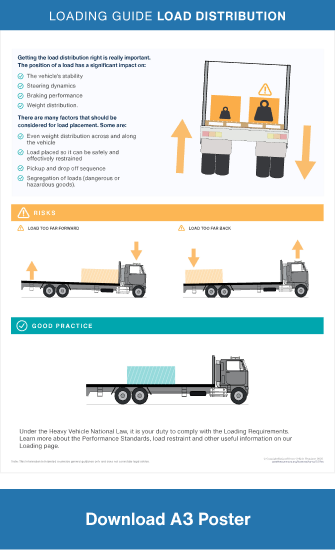
Center Weight Over the Rear Axle
Proper load distribution places 60 percent of the weight over the rear axle and centered side to side. This balance maintains stability and steering control on every drive.
Place the heaviest part of the load directly over or slightly forward of the rear axle. Avoid loading too much weight toward the tailgate, which can cause fishtailing at highway speeds.
Stack and Arrange Strategically
When carrying multiple items, put the heaviest on the bottom and lighter items on top. Interlock or nest items when possible to prevent shifting during transit.
Avoid stacking above cab height unless you’re using a secured rack system. Tall loads raise the center of gravity and increase rollover risk on curves.
Secure Cargo Firmly
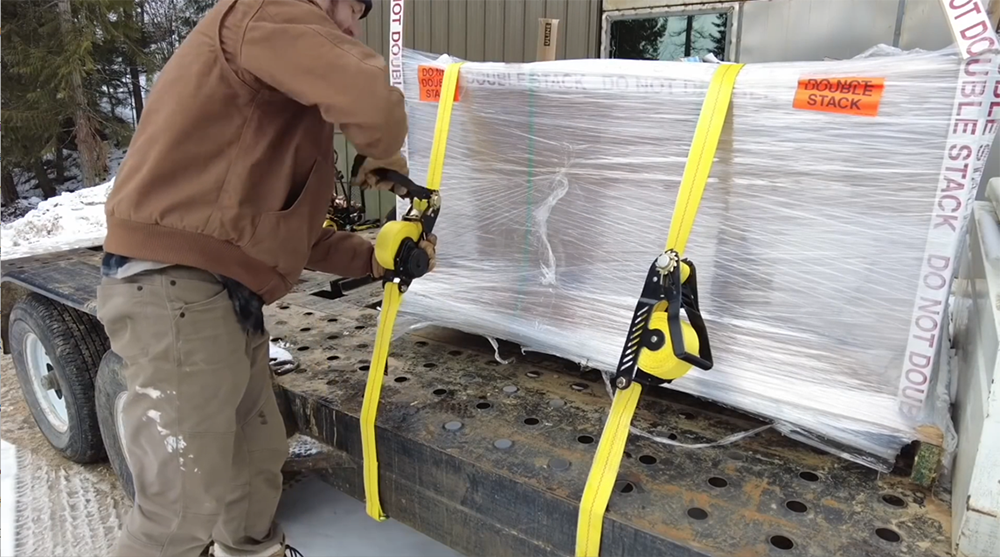
Use Quality Tie-Down Straps
Even heavy items can shift during sudden stops. Use at least four ratchet tie-down straps rated for your cargo’s weight. Attach straps to bed anchor points rather than just hooking them over the sides.
Cross straps diagonally across the load for maximum stability. Tighten until the load doesn’t move when you push firmly against it.
Add Edge Protection
Place foam pipe insulation or rubber guards where straps contact sharp edges. This simple step protects both the strap material and your cargo from damage.
For loose gravel, mulch, or small items, use a heavy-duty truck bed mat or cargo net. These prevent bouncing, scratching, and scattered material on the road.
Avoid Common Loading Mistakes
Don’t Overload the Tailgate
The tailgate is not designed to support weight while open. Never use it as a ramp support unless the manufacturer specifically rates it for that purpose. Always close and latch it before driving.
Avoid resting long items like pipes or lumber entirely on the tailgate. This can bend or break the gate over time.
Never Stand Directly Behind While Loading
If a heavy object rolls backward during loading, you could be pinned or crushed. Always position yourself to the side when pushing items up ramps.
Use a spotter to guide you and call out hazards you might not see from the driver’s angle.
Inspect Before Driving
Check for Stability
Push the load in multiple directions to test for movement. Re-tighten straps if anything shifts. Ensure nothing is dragging or hanging over the sides of the bed.
Confirm the tailgate is securely latched. Some models have secondary safety catches that should also be engaged before driving.
Review Your Route and Speed
Plan a route with minimal sharp turns and rough roads. Heavy or top-heavy loads require slower cornering and increased stopping distance.
Drive at reduced speeds, especially on highways. Avoid sudden acceleration, hard braking, or quick swerving maneuvers.
Frequently Asked Questions About Loading Heavy Items in a Truck Bed
What is the safest way to load heavy items in a truck bed?
The safest method combines proper planning, correct equipment, and balanced weight distribution. Always park on level ground, use rated ramps for heavy equipment, and secure every item with at least four ratchet straps. Centering 60 percent of the weight over the rear axle keeps the truck stable.
How do you load something too heavy to lift into a truck bed?
Use a dolly, hand truck, or skid board to roll or slide the item into the bed. Ramps allow you to walk wheeled equipment directly into the truck. For extremely heavy loads, consider hiring professional movers with hydraulic lift gates.
Can you overload a truck bed by standing on the tailgate?
Yes. The tailgate is not designed to bear the weight of heavy items during loading. Using it as a support for ramps or as a platform for heavy objects can bend the gate or damage the hinges. Always use properly rated ramps that rest on the bed floor.
How many tie-down straps are needed for heavy cargo?
Use a minimum of four ratchet straps for any heavy cargo, regardless of distance. Cross the straps diagonally over the load and attach them to factory bed anchor points. Check and re-tighten straps after the first few miles of driving.
What happens if you exceed your truck’s payload capacity?
Exceeding payload capacity strains the suspension, brakes, and transmission. It also makes steering unpredictable and increases stopping distance significantly. In severe cases, the rear suspension can bottom out, damaging the frame or causing loss of control.
How should you drive with a heavy load in the truck bed?
Drive at reduced speeds, especially on highways. Brake earlier than usual, accelerate gently, and take turns slowly to prevent load shift. Avoid sudden lane changes and leave extra following distance to allow for longer stopping times.
Loading heavy items in a truck bed safely is a skill built on preparation, teamwork, and attention to detail. Start by assessing weight and gathering the right equipment. Position your truck on level ground and use properly rated ramps. Balance the load over the rear axle and secure it with quality tie-down straps. Finally, inspect everything before driving and adjust your speed for the conditions.
Put these practices into action on your next heavy haul. A few extra minutes of preparation prevent injuries, protect your vehicle, and ensure your cargo arrives intact every time.