You’ve just arrived at your job site or campground, and you need quick access to your truck bed. But how do you open your tonneau cover on an F-150 without fumbling, straining, or damaging the hardware? Whether you’re using a hard folding or soft roll-up model, knowing the correct steps ensures smooth, one-person operation every time.
The most common tonneau covers on Ford F-150s, especially the REV Industries hard trifold and canvas or vinyl roll-up models, require specific techniques to open safely and effectively. This guide walks you through each step based on verified mechanical designs and real-world user feedback. You’ll learn how to release latches, deploy prop rods, roll or fold the cover, and avoid common mistakes especially in cold weather or high winds. Plus, we’ll cover maintenance tips and troubleshooting so your cover keeps working flawlessly for years.
Open Hard Folding Cover (REV Trifold)
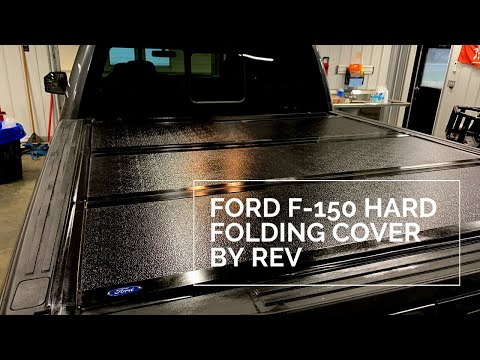
The REV Industries hard trifold cover, sold as a genuine Ford accessory for 2021+ models, is one of the most popular and secure options. It offers full bed access when opened correctly, but requires a precise sequence.
Lower Tailgate First
Always start by fully lowering the tailgate. The rear edge of the tonneau cover overlaps the tailgate, so it must be down to access the corner latches. Failure to drop the tailgate can lead to strained cables or damaged hinges.
Use the standard tailgate release handle. Let it swing open completely or lower it straight down. Confirm it’s flush with the bumper before proceeding.
Pro Tip: Some users leave the tailgate down during loading for easy access, then close it after securing cargo.
Release Rear Corner Cables
At each rear corner of the cover, you’ll find a pull cable, typically black with a T-shaped handle. These release the locking pins that secure the cover to the side rails.
Pull both cables firmly toward you. You may feel slight resistance. This is normal. Listen for a soft click as the latch disengages.
Warning: If one side doesn’t release, do not force the cover. Recheck alignment and ensure the tailgate is fully down.
Fold Panels Toward Cab
Once unlatched, begin folding the panels upward in sequence. Lift the rear panel straight up first. Then fold the middle panel over it. Finally, bring the front panel up to rest against the rear window of the cab.
The final position shows all three panels stacked vertically, allowing nearly full bed access. Only about 6 inches near the cab remain blocked.
Visual Cue: When properly folded, the front edge of the cover should sit just below the rear window wiper.
Deploy Prop Rods for Safety
Before loading or unloading, activate the prop rods on both sides. These prevent wind from slamming the cover shut and causing injury or damage.
To extend the prop rods, locate the adjustable nut on the side bracket. Loosen it slightly. Slide the carriage bracket downward to extend the rod. Retighten the nut to lock in place.
User Alert: Never skip this step. In windy conditions, an unsecured cover can collapse and damage the hinges or your cargo.
Close Hard Cover Correctly
Closing is just as important as opening, especially for weatherproofing and security. Follow these steps in order for the best results.
Retract Prop Rods First
Before lowering the cover, you must retract the prop rods. Loosen the nut on each side. Slide the bracket upward to stow the rod. Retighten the nut to prevent rattling during driving.
Common Mistake: Forgetting to retract props can cause binding or misalignment when closing the cover.
Unfold Panels in Reverse Order
Lower the panels smoothly by starting with the front panel. Move to the middle panel next. Finish with the rear panel. Ensure the rear panel sits flush with the tailgate area. Misalignment prevents proper latching.
Engage Latches with Firm Pressure
Push down firmly on both rear corners until you hear a distinct audible click. This confirms the latches have re-engaged with the side rails. If no click occurs, lift slightly and try again.
Key Insight: You do not need to raise the tailgate before closing the cover. This allows partial bed access while keeping the rest secure.
Open Soft Roll-Up Cover
Soft covers are lighter and more affordable but require different handling than hard models. The process varies slightly depending on your specific fastening system.
Lower Tailgate for Clearance
Like hard covers, most soft roll-ups require the tailgate to be down before opening. This releases tension and allows the rear edge to be freed. Drop the tailgate fully. Confirm it’s not interfering with the cover’s rear crossbar.
Identify Fastening Type
Use a flashlight to inspect under the rear edge. Common fasteners include grommets over pins, twist locks, snap pins, and Velcro side seals. Knowing your model’s system prevents damage during release.
Example: On basic canvas covers, straps with grommets snap onto metal pins mounted on the bed rails.
Release Rear and Roll Forward
Unfasten both sides at the rear crossbar. Unsnap grommets or twist locks. Lift the rear edge slightly to disengage. Then grasp the crossbar and roll the cover toward the cab. Use even pressure to avoid twisting. Let the bows, which are support bars, roll with the fabric. Stop when the cover is tight near the cab.
Secure in Open Position
Most soft covers include tie-down straps or loops at the front. Attach the straps to the bed rails or anchor points. This prevents the cover from unrolling during use.
Cold Weather Warning: Below freezing, canvas and vinyl stiffen and resist rolling. Many users opt to fold or drape the cover temporarily instead.
Remove Folding Cover for Service

For deep cleaning, maintenance, or replacement, you may need to remove the entire cover. This process is straightforward and can be done by one person.
Prepare for Removal
Fully fold and stack the cover against the cab. This stabilizes it and reduces strain on hinges during removal.
Loosen C-Clamp Bolts
Each side uses three C-clamps attached to the bed rails. The cover hinges connect to these via bolts. Use a 7/16-inch wrench to remove the two bolts under each hinge bracket. Remove both sides completely.
Important: Do not remove the clamps from the truck bed. They stay in place for reinstallation.
Lift Cover Off Rails
Once bolts are out, the entire cover assembly can be lifted off. The weight is approximately 30 to 40 pounds, which is manageable for one person. Carry with both hands, supporting the center and rear.
Reinstallation Tip: The cover self-aligns with the factory rails. Just reinsert the bolts and tighten securely. No realignment is needed.
Maintain Cover for Long Life
Regular care prevents jams, leaks, and premature wear. A few minutes of maintenance every few months extends the life of your cover significantly.
Adjust and Lubricate Prop Rods
Check prop rod nuts monthly and tighten if loose. Apply silicone spray to threads annually to prevent seizing. Bent or wobbly rods should be replaced immediately to avoid injury or damage.
Clean Latch Mechanisms
Every 3 to 6 months, wipe out debris like dirt, sand, and ice from latch areas. Spray with dry lubricant to ensure smooth engagement. If no click is heard when closing, inspect for blockages or worn components.
Inspect Rail Clamps
Vibration can loosen clamps over time. Use an Allen wrench to check bolt tightness regularly. Loose clamps lead to misalignment, water ingress, or wind noise.
Pro Tip: Mark bolt positions with paint. This makes it easy to spot movement at a glance.
Troubleshoot Common Issues
Even well-maintained covers can develop problems. Here’s how to fix them fast without calling a professional.
Cover Won’t Unlatch
The causes include ice or debris in the latch, a misaligned tailgate, or a frozen cable. To fix this, clear snow and ice with a soft brush. Apply silicone lubricant to cables and latches. Ensure the tailgate is fully lowered before attempting release.
Never force the cables. This can snap the internal cable mechanism.
Cover Won’t Stay Open
This issue occurs when prop rods are not fully extended or are loose. To solve it, fully slide the bracket down and retighten the nut. Inspect rods for bends or cracks. Replace if damaged.
Wind Test: If the cover flaps in a breeze, it’s not secure and needs adjustment.
Water in the Bed
Minimal dampness, often called footprint moisture, after rain is normal. But puddling means trouble. Check three things first. Clogged drain tubes require flushing with compressed air or water. Damaged gaskets need replacement if cracked or missing. Loose clamps require tightening all six C-clamp bolts.
Prevention: Clean drain paths every fall before winter arrives.
Choose the Right Cover Type
Your opening experience depends heavily on which model you own. Understanding the differences helps you operate it correctly and maintain it properly.
Hard vs Soft: Key Differences
Hard folding covers fold up and require prop rods for stability. They offer approximately 100% bed access when open. They provide high security with locked latches and excellent weather resistance. They remain reliable in cold weather but require moderate effort, taking about 30 to 45 seconds to operate.
Soft roll-up covers roll forward toward the cab. They provide approximately 95% bed access. They offer low to moderate security and fair weather resistance, as they can leak at seams. They become stiff and hard to roll in cold weather. They require low effort, taking about 20 to 30 seconds to operate.
Best Pick for Most F-150 Owners: The REV hard trifold offers the best balance of security, durability, and ease of use.
Save Money With FordPass Points
Owning an F-150 can pay off literally through the FordPass rewards program. The REV trifold cover costs $1,099 online or $975 at dealers, which often includes free installation.
You can use FordPass points to cut costs significantly. Forty-two thousand points equals approximately $210 in value. This reduces your out-of-pocket cost to just over $800.
Strategy: Accumulate points through service visits, promotions, or Ford Credit use. Every dollar spent on your truck can work toward accessories.
Frequently Asked Questions About Opening Tonneau Covers on F-150
Do I need to lower the tailgate to open my F-150 tonneau cover?
Yes, you must lower the tailgate before opening most tonneau covers, including both hard folding and soft roll-up models. The rear edge of the cover overlaps the tailgate, so it must be down to access the latches and allow proper deployment.
How do I know if my hard folding cover is properly secured?
You’ll hear a distinct audible click when the latches engage properly. Push down firmly on both rear corners until you hear this sound. If you don’t hear a click, lift slightly and try again. The cover should not move or lift when pressed.
Can I open my tonneau cover in windy conditions?
Yes, but you must deploy the prop rods first. Without them extended and locked, wind can catch the cover and slam it shut, potentially causing injury or damaging the hinges. Always secure with props before loading in windy weather.
Why is my soft cover hard to roll in winter?
Canvas and vinyl materials stiffen when temperatures drop below freezing. The material becomes brittle and resists bending. Many users recommend folding or draping the cover temporarily instead of rolling it during cold months.
How often should I maintain my tonneau cover?
Perform basic maintenance every 3 to 6 months. This includes cleaning latch mechanisms, checking prop rod tightness, and inspecting rail clamps for looseness. Monthly checks are recommended for prop rod nuts and annual silicone lubrication of moving parts.
Key Takeaways for Opening Your F-150 Tonneau Cover
Whether you drive a 2021 F-150 with a REV trifold or a used model with a soft cover, knowing how to open your tonneau cover properly saves time, prevents damage, and keeps your cargo secure. The correct sequence matters. Always lower the tailgate first, release the corner latches, fold or roll the cover toward the cab, and deploy the prop rods if you have a hard folding model.
Regular maintenance extends the life of your cover significantly. Clean latch mechanisms every few months, check and tighten all clamps and bolts, and lubricate moving parts annually. Address problems like water pooling or covers that won’t stay open right away to prevent bigger issues down the road.
For most F-150 owners, the REV hard trifold offers the best combination of security, weather protection, and ease of use. If you have a soft cover, remember that cold weather requires extra patience. With this routine, your cover will deliver years of reliable, weather-tight performance.