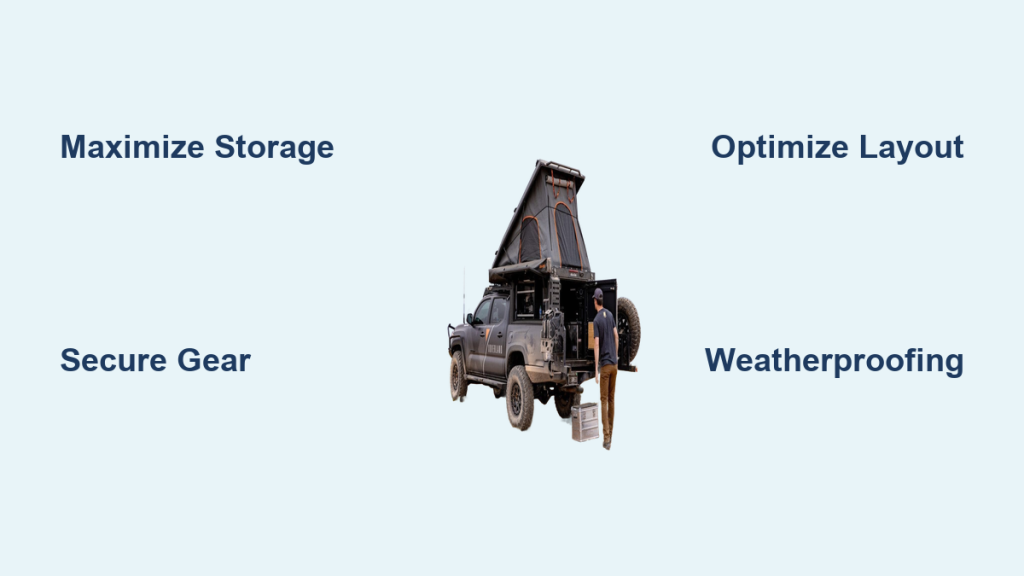
Loading a 500–650 lb motorcycle into your truck bed shouldn’t require a flatbed trailer or a crew of friends. For off-road enthusiasts like the 2014 Tacoma owner in our case study, a truck bed winch offers a practical, on-demand solution. Especially when recovery isn’t the goal, but convenience is king. With 35″ tires, a lift, and trail-ready mods, getting a non-running bike into the bed after a bad track day can be a real challenge. That’s where a bed-mounted winch system comes in.
The core idea is simple: mount a 3,000-pound winch in or over the bed to pull heavy items up a ramp and secure them for transport. But here’s the catch: your truck bed wasn’t engineered for winching loads. The sheet metal and bed rails alone can’t handle the stress. This guide dives into proven truck bed winch ideas, structural mounting solutions, power setups, and smart alternatives, all based on real-world builds and expert feedback.
Custom A-Frame Mount Design

One of the most viable solutions for a permanent bed winch setup is a custom A-frame mount welded directly to the truck’s frame. This approach eliminates reliance on the bed structure and transfers load forces where they belong: the chassis.
Why Frame-Mounting Beats Bed-Mounting
The Tacoma’s bed is made of relatively thin steel and isn’t designed for concentrated pulling forces. Attempting to anchor a winch to bedside rails, even with universal clamps, risks bed distortion, bolt failure, or even frame misalignment over time. An A-frame design bypasses this by using structural tubing anchored at the front of the bed, just behind the cab.
- Double A-frame = two triangular supports running from the frame rails up through cutouts in the bed floor.
- Top crossbar = provides a stable mounting point for the winch.
- Gusseted L-brackets = connect to existing bed bolt points for lateral stability.
This setup mimics cage systems used in long-travel trucks, where structural integrity is maintained through triangulation and direct frame attachment.
Build Tips for DIY A-Frame
- Use 1.75″–2″ round or square tubing for vertical and diagonal members.
- Cut two oval holes in the bed floor near the cab for tubing to pass through; seal edges with rubber grommets to prevent chafing.
- Weld tubing to frame rails using full-penetration welds; add gussets at all joints.
- Mount winch on a steel plate welded to the top cross-tube; ensure it’s level and centered.
- Angle winch slightly upward (5°–10°) so the cable clears the tailgate without dragging during pulls.
Pro Tip: Add a removable cover plate over the bed holes when the winch is not in use to maintain bed usability and weather protection.
Cradle and Receiver Mount Alternatives

Not everyone wants to weld tubing through their truck bed. For those seeking removable or semi-permanent options, cradle mounts and receiver-based systems offer flexibility.
2″ Receiver Mount Winch Cradle
A popular compromise is a winch cradle that slides into a 2″ hitch receiver, mounted either in the bed or on a custom rear frame bracket.
- Winch sits in a steel cradle with locking pins or bolts.
- Cradle slides into receiver mounted under the rear of the bed or on the bumper.
- Easy to remove when not needed; keeps bed fully functional.
- Compatible with standard 3k winches from brands like Ramsey, Warn, or Smittybilt.
This method avoids bed modifications entirely and is ideal for users who only haul heavy loads occasionally.
Power Considerations
Since the winch is removable, hardwiring to the battery isn’t always practical. Instead:
- Use a 12V power cable with an Anderson SB50 connector.
- Run the cable from the winch to a remote battery disconnect switch or dual-battery system.
- Plug in only during use; reduces risk of corrosion or short circuits.
Warning: Never power a winch through the trailer plug. Its 7.5A fuse is far too weak. Winches draw 80–150+ amps under load.
Power Setup: Direct Battery vs. Portable

How you power your winch determines safety, reliability, and convenience. Two main options dominate: direct battery connection or portable power packs.
Direct Battery Wiring (Recommended)
For permanent or semi-permanent setups, run 2-gauge wires directly from the winch to the battery with an in-line fuse or circuit breaker rated at 300A.
- Use Anderson SB50 or PowerPole connectors for quick disconnects.
- Route wires through the cab or along the frame rail; avoid sharp edges.
- Install a remote solenoid switch inside the cab or near the tailgate for easy operation.
This setup ensures maximum power delivery and prevents voltage drop, which can damage winch motors.
Portable Lithium Jump Starter Option
For occasional use, a high-output lithium jump starter can power a small winch.
- Outputs up to 400–600 cranking amps.
- Lightweight and storable.
- Limited runtime; best for single, short pulls like loading a bike up a ramp.
Limitation: Not suitable for repeated or extended winching. Battery may overheat or shut down.
Structural Reinforcement Essentials
Even the best winch is only as strong as its mounting. Ignoring reinforcement risks bed deformation, fastener failure, or dangerous detachment.
Reinforce at the Frame, Not the Bed
- Never rely solely on bed bolts or bedside clamps for load-bearing.
- Use through-frame welds for A-frame or cage mounts.
- Add gussets at all high-stress joints (45° triangles of 1/4″ steel).
- Consider doubling frame rails with steel plates if making frequent heavy pulls.
Tailgate Cable Inspection
When winching into the bed, the tailgate bears significant downward force.
- Upgrade to heavy-duty tailgate cables (aftermarket braided steel is a good choice).
- Inspect cables monthly for fraying or stretch.
- Never winch with tailgate down unless fully supported; use a ramp or stand.
Pro Tip: Install a ramp support leg to transfer weight to the ground, not the tailgate hinges.
Load Capacity and Practical Limits
A 3,000-pound winch sounds powerful, but effective pulling capacity depends on setup, angle, and friction.
Real-World Pulling Power
- Straight pull on a ramp: ~80–90% efficiency, giving you 2,400–2,700 lbs usable.
- Angled pull over tailgate: ~60–70% efficiency, giving you 1,800–2,100 lbs usable.
- Winch line drag on metal: increases resistance by 20–30%.
For a 600 lb motorcycle, even with friction, you’re well within safe limits, especially with a 2:1 pulley system.
Use a Snatch Block for Mechanical Advantage
Add a snatch block pulley at the tailgate or ramp base to:
- Double pulling power by halving load on winch.
- Reduce cable strain and motor heat.
- Allow side-angle pulls without repositioning the truck.
Alternative: Portable Winch Systems
Not ready to modify your truck? Try a portable winch system that’s lightweight, versatile, and just as effective.
Electric Portable Winches
- Mount on a folding A-frame placed in the bed.
- Battery-powered or plug into truck’s 12V.
- Capacities from 1,500–3,500 lbs.
- Weigh 15–25 lbs, easy to store.
How It Works
- Set up A-frame at head of bed.
- Attach winch to top bar.
- Run cable down ramp.
- Hook to load and pull.
No permanent mods. No wiring. Just set up and go.
Ramp Selection and Setup

A winch is only half the system. The ramp determines how smoothly your load comes in.
Aluminum vs. Steel Ramps
| Feature | Aluminum Ramps | Steel Ramps |
|---|---|---|
| Weight | Light (20–30 lbs) | Heavy (40–60 lbs) |
| Strength | Good for bikes, ATVs | Excellent |
| Corrosion | Resistant | Prone to rust |
| Cost | Higher | Lower |
Ramp Positioning Tips
- Angle no more than 25° to prevent wheel lift or chassis drag.
- Secure ramp base with stakes or weight.
- Use rubber mat or carpet on bed floor to prevent sliding.
- Guide wheels with tie-downs during pull.
Safety and Best Practices

Even small winches can cause serious injury if misused. Follow these non-negotiable safety rules.
Always Use a Winch Line Damper
- Drape a heavy blanket or winch dampener over the cable.
- Prevents snap-back if the line breaks.
- Reduces whip force from stored energy.
Never Stand in the Line of Pull
- Stay to the side, never directly in front or behind the cable.
- Use remote control or extension leads to operate from a safe distance.
Inspect Gear Before Every Use
- Check winch cable for kinks, frays, or corrosion.
- Test motor function without load.
- Confirm mounting bolts are tight.
- Verify battery charge level.
Frequently Asked Questions About Truck Bed Winch Ideas
Can I Power a Truck Bed Winch Through the Trailer Plug?
No. Trailer plug wiring is fused for only about 7.5 amps, which is far too low for a winch that draws 80–150+ amps under load. You need a direct battery connection with an Anderson plug and proper gauge wiring.
How Much Weight Can a 3,000 lb Winch Actually Pull Into a Truck Bed?
A 3k winch delivers about 2,400–2,700 lbs of usable pulling power on a straight ramp pull and 1,800–2,100 lbs on an angled pull over the tailgate. For a 500–650 lb motorcycle, you’re well within safe limits, especially with a snatch block for mechanical advantage.
Is It Safe to Mount a Winch Directly to the Truck Bed?
Mounting a winch directly to the bed sheet metal or bedside rails is risky because pickup beds aren’t designed for concentrated pulling forces. Bed distortion, bolt failure, or frame misalignment can occur over time. Frame-mounted A-frames or receiver cradles are safer alternatives.
What Is the Easiest Winch Setup for Occasional Use?
A portable winch on a folding A-frame is the easiest option for occasional use. It requires no permanent modifications, can be stored when not needed, and sets up in minutes.
Will a Winch Damage My Tailgate?
Repeated winching over the tailgate can stress the cables and hinges. Upgrade to heavy-duty braided tailgate cables, inspect them monthly, and use a ramp support leg to transfer weight to the ground.
Final Thoughts on Choosing the Best Truck Bed Winch Setup
After evaluating all options, from custom A-frames to portable cradles, your best choice depends on how often you haul and whether you want a permanent installation.
- Best Overall: Frame-Mounted A-Frame with Anderson Plug, strong and efficient for frequent haulers.
- Best for Flexibility: 2″ Receiver Winch Cradle, removable with no bed modifications.
- Best No-Mess Option: Portable Winch + Folding Frame, zero installation and highly portable.
Always anchor to the frame, power directly from the battery, and respect load limits. With the right setup, loading heavy gear becomes a solo five-minute job instead of a back-breaking ordeal. Start by measuring your bed clearance, deciding on permanent vs. removable, and sketching your A-frame or cradle design today.