If you own a Ram 1500 with a Mopar hard tri-fold tonneau cover, knowing how to open it correctly is essential for daily use, cargo access, and long-term durability. Unlike traditional tonneau covers that require unlatching or rolling, the Mopar tonneau cover is mechanically linked to the tailgate, meaning it only opens after the tailgate drops. This seamless integration allows for smooth, tool-free access to your truck bed while maintaining a sleek, locked-down appearance when closed. In this guide, you will learn the exact steps to open your Mopar tonneau cover safely, avoid common mistakes, and keep the mechanism functioning smoothly for years.
The process is intuitive once you understand the connection between the tailgate and cover. With a simple pull of the release handle, the locking system disengages, allowing the three-panel cover to fold forward compactly toward the cab. Prop rods stabilize the open position, and rubber bumpers protect your rear window. Whether you are loading gear, working on the job site, or just accessing your truck bed at night, mastering this routine ensures fast, safe, and damage-free operation.
Unlock and Lower Tailgate First
Before touching the tonneau cover, you must unlock and lower the tailgate. This is the first and non-negotiable step in the opening process.
Unlock Vehicle and Tailgate
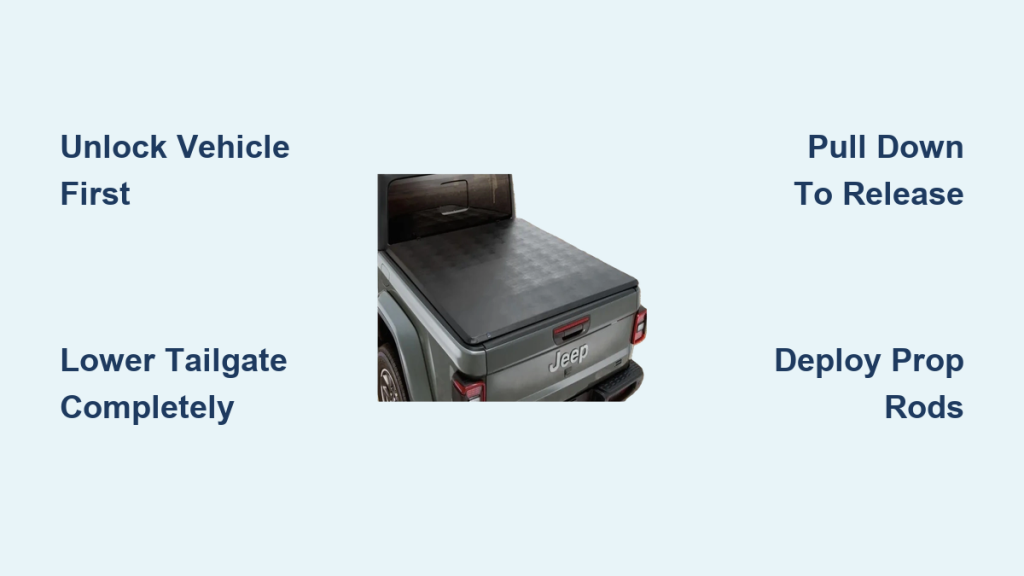
Press the unlock button on your key fob or use the door handle to unlock the cab. The Mopar tonneau cover locks and unlocks with the vehicle’s central locking system, so if the truck is locked, the cover stays secured. On most Ram 1500 models, the tailgate will automatically unlock when doors are unlocked due to the factory security setting.
Lower Tailgate Fully
Stand at the rear of the vehicle and pull the tailgate release handle located beneath the rear window. Lower the tailgate all the way until it clicks into the open position. As the tailgate descends, it mechanically disengages the tonneau cover’s rear latch, freeing it for opening.
Never force the cover open while the tailgate is up, as doing so can damage the linkage, hinges, or locking mechanism.
Start the Tri-Fold Opening Sequence
Once the tailgate is down, the cover is ready to fold. The three-panel design allows compact stowage without removal.
Pull Down to Release the Cover
Grip the rear edge of the tonneau cover with both hands. Pull downward slightly to break the weather seal and release the front locking point. You will feel a slight give, which indicates the rear latch has disengaged from the tailgate.
Fold Panels Forward in Order
The cover folds in a progressive tri-fold motion:
- Rear section folds forward over the middle panel.
- Middle section folds forward over the front panel.
- Front (top) section lifts up and rests against the rear window.
Use both hands and apply even pressure to avoid misalignment or stress on the hinges. The fully folded cover should sit snugly against the cab, out of the way for loading. Its low-profile design ensures it does not block rear visibility when properly positioned.
Deploy Prop Rods for Safety

Leaving the cover unsupported can lead to accidental closure or wind damage. Always use the prop rods to secure the open position.
Remove and Extend Prop Rods
Locate the two prop rods stored in clips inside the side rails. Slide them out gently to avoid scratching the channels. Extend each rod fully until it locks in place. Most models have spring-loaded extensions that click when fully extended.
Secure Rods to Upper Mounting Clips
Lift the rod and hook the end into the upper mounting clip on the underside of the folded front panel. Repeat on the opposite side. The rods should form a rigid brace, holding the cover firmly in place.
Never operate the truck with the cover open and rods unsecured. Sudden braking or wind gusts can cause the cover to snap shut, risking injury or damage.
Check Clearance and Window Protection
Before loading, verify the cover is stable and will not harm your vehicle.
Ensure Full Contact with Cab
The front edge of the cover should rest against the rubber bumpers on the rear window. These bumpers absorb impact and prevent scratches or cracks on the glass. If the cover floats or sags, check prop rod alignment, as misplaced rods reduce stability.
Confirm No Obstructions
Make sure the folded panels do not block rear lights or the high-mount brake light. Avoid placing cargo that extends above the bed rails and contacts the open cover. In tight spaces, ensure the cover has room to fold without hitting walls or overhangs.
How to Close the Cover Properly
Closing is just as important as opening. Improper sealing can lead to water leaks or security issues.
Remove Prop Rods First
Pull each rod straight down to release it from the upper clip. Retract the rod and return it to the side rail storage slot. Ensure both rods are fully seated, as loose rods can rattle or fall out while driving.
Unfold Panels in Reverse Order
- Lower the front (top) panel gently until it lies flat.
- Unfold the middle section, then the rear section.
- Align all panels so they sit flush across the bed rails.
Lock the Cover by Raising Tailgate
Push the rear edge of the cover firmly forward to engage the seal. Raise the tailgate and let it latch securely. When the truck is locked, the tonneau cover locks automatically via the tailgate linkage.
Test the lock by trying to lift the cover’s rear edge. It should not budge if properly latched.
Common Mistakes to Avoid
Even simple operations can go wrong if steps are skipped or rushed.
Forgetting to Unlock the Vehicle
If the truck is locked, the tailgate will not release, and the cover stays locked. Always unlock doors first, and do not assume the key fob opened the tailgate.
Skipping Prop Rod Deployment
Some users fold the cover and skip the rods, risking wind damage or injury. In gusty conditions, an unbraced cover can snap shut violently.
Forcing the Hinges
Ice, debris, or dry seals can make folding stiff. Never yank the panels. Inspect hinges and clean or lubricate as needed.
Misaligned Panels During Closing
Panels must lie flat and aligned before closing. A twisted panel can prevent proper sealing and cause water leaks.
Maintenance for Smooth Operation
Regular care keeps the opening process effortless and extends the cover’s life.
Clean and Lubricate Hinges
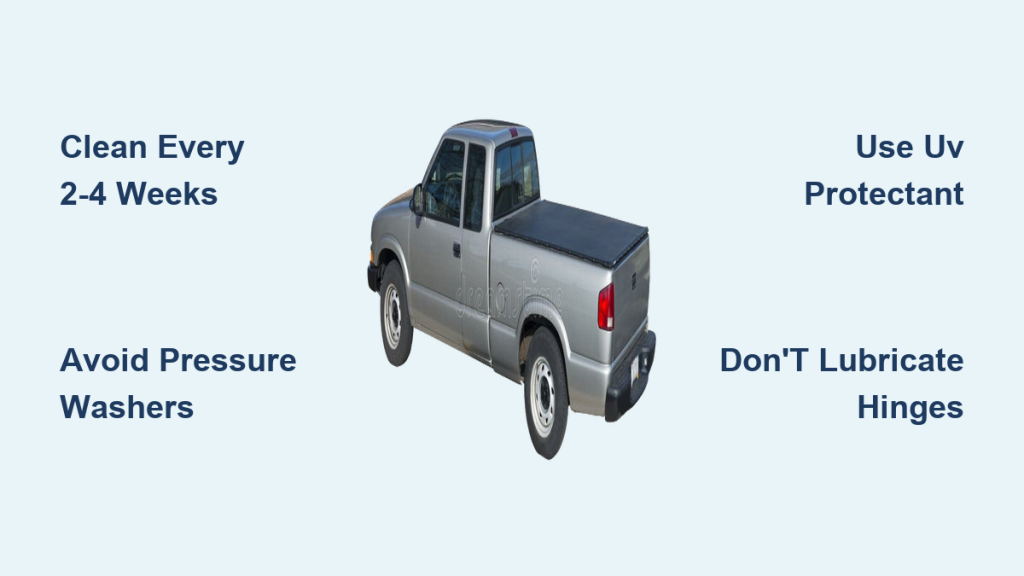
Every three to six months, wipe hinge areas with a damp cloth to remove dirt and salt. Apply silicone-based lubricant to vinyl or aluminum hinge points. Avoid petroleum-based products, as they degrade rubber seals.
Inspect Seals and Bumpers
Check the perimeter rubber seal for cracks, tears, or hardening. Replace damaged seals to maintain weather resistance. Ensure front rubber bumpers are intact and not compressed flat.
Verify Prop Rod Condition
Look for bent rods or damaged clips. Bent rods will not extend or lock properly, so replace if compromised. Store rods securely to prevent rattling or loss.
Troubleshooting: Cover Will Not Open
If the tonneau cover resists opening, follow these checks.
Is the Tailgate Fully Lowered
Partially raised tailgates keep the cover locked. Lower it completely and try again.
Is the Vehicle Unlocked
Locked doors mean a locked tailgate, which means a locked cover. Use the key fob or door handle to unlock first.
Are Hinges Frozen or Blocked
In winter, ice can jam hinges or seals. Clear snow and ice gently with a soft brush or cloth. Use de-icer spray that is non-corrosive on stubborn buildup.
Is the Cover Misaligned
If panels are twisted, they may bind during opening. Realign by unfolding slightly and repositioning before closing.
Frequently Asked Questions About Mopar Tonneau Covers
Does the Mopar tonneau cover have a separate lock
No, the cover does not have a separate lock. It locks automatically when the tailgate latches and the vehicle is secured through the central locking system.
Can I open the tonneau cover with the tailgate closed
No, the cover is mechanically linked to the tailgate and cannot be opened unless the tailgate is fully lowered. Forcing it open while the tailgate is up will damage the mechanism.
How do I prevent the cover from closing unexpectedly
Always deploy the prop rods after folding the cover open. These rods lock into upper mounting clips and hold the cover firmly in place, preventing accidental closure from wind or movement.
What should I do if the cover is frozen shut in winter
Clear any snow or ice from the cover surface and hinges. Use a non-corrosive de-icer spray on frozen seals and hinges. Never force the cover open, as this can crack the panels or damage the hinges.
How often should I lubricate the hinges
Lubricate the hinges every three to six months with a silicone-based lubricant. This maintains smooth operation and prevents the vinyl or aluminum from sticking or squeaking.
Will the cover block my rear window when open
No, the tri-fold design collapses compactly toward the cab, and the front edge rests against rubber bumpers that protect the rear window. The cover should not obstruct your rear visibility when properly positioned.
Key Takeaways for Opening Your Mopar Tonneau Cover

The Mopar tonneau cover is designed for seamless, daily use, and once you master the unlock-lower-fold-deploy sequence, opening it becomes second nature. Always unlock the vehicle first, then lower the tailgate completely before attempting to fold the cover. Deploy the prop rods every time you open the cover to prevent accidental closure or wind damage. Protect the rear window by ensuring the rubber bumpers make proper contact when the cover is folded. Finally, maintain the hinges and seals regularly with silicone-based lubricant to keep the operation smooth for years to come. With proper care and correct technique, your Mopar hard tri-fold tonneau cover will provide reliable, easy access to your Ram 1500 bed while keeping your cargo secure and protected.