If your Hyundai Santa Cruz needs more hauling space, a truck bed extender is one of the smartest upgrades you can make. From lumber and luggage to camping gear and bikes, the right extender expands your cargo area without giving up daily drivability. The install process looks intimidating at first, but most DIYers finish in around two hours with basic tools. This guide walks you through choosing a compatible model, securing it properly, and avoiding the sensor and clearance issues that trip up many Santa Cruz owners.
You will learn how to measure for the right fit, mount brackets without rattles, and confirm your rear sensors still work after installation. We will also cover lighting compliance, weight limits, and long term care so your extender stays reliable for years.
Choose a Compatible Truck Bed Extender Model

Picking the right model is the most important step. The Santa Cruz has a rear mounted spare tire and integrated parking sensors, so not every extender on the market will work.
Measure Bed Width and Bumper Clearance
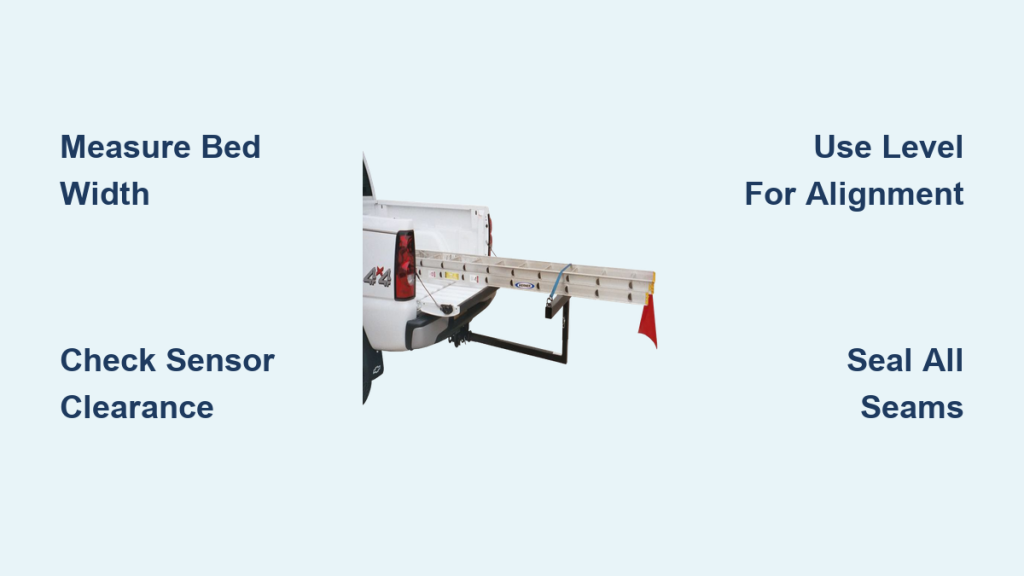
Before buying, measure your bed width and the gap between the tailgate and the spare tire or rear bumper. Many standard extenders sit too close to the spare or block sensors entirely. Owners who picked models like the Truck Extender Pro and Bak Ratchet report proper clearance because those designs account for the Santa Cruz layout. A wrong fit can stop the tailgate from latching or hide the bumper sensors.
Stick With Reputable Brands
Skip cheap, unbranded extenders from online marketplaces. They tend to bend under load and rattle on the road. Trusted options include:
– BakFlip Extender – durable and semi permanent
– Bak Ratchet – removable with a secure fit
– Truck Extender Pro – tailored for the Santa Cruz and sensor safe
Choose based on whether you want a permanent install or a removable setup you can take off when not needed.
Gather the Tools and Materials You Need
You do not need specialty tools, but a few basics make the job faster and cleaner.
Essential Tools and Supplies
- Socket wrench set
- Phillips and flathead screwdrivers
- Tape measure
- Small spirit level
- Drill (only if your kit requires pilot holes)
- Silicone sealant for waterproofing seams
- Safety gloves and goggles
Most kits ship with mounting hardware, but double check so you are not stuck mid install.
Prepare the Truck Bed and Tailgate
A clean mounting surface helps the extender sit flat and seal properly.
Clean the Bed Rails and Tailgate Edges
Wipe down the tailgate top and bed rails to remove dirt, grit, and old sealant. Inspect the rubber gaskets around the tailgate. If any are cracked, replace them so water does not seep into the bed once the extender is in place.
Dry Fit the Extender First
Set the extender in position without tightening anything. Close the tailgate and confirm it latches fully. Make sure the spare tire and rear sensors are still accessible. If the unit presses against the tire or bumper, you may need a different model.
Mount the Brackets with Proper Alignment
Brackets are the foundation of a quiet, solid install. Get them right and the rest is easy.
Use a Level on Both Sides
Misaligned brackets cause rattles and uneven stress. Place a small spirit level on each bracket and adjust until both sides read even. The Bak Ratchet system uses rail mounted hardware that slides for fine tuning. Take your time here so the extender sits flush.
Tighten Bolts in a Crisscross Pattern
Do not fully tighten one side before checking the other. Snug both sides, then alternate left and right while gradually increasing torque. This prevents warping and keeps pressure even across the mounting points.
Attach the Extender Panel
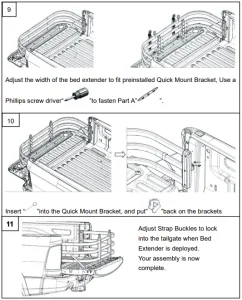
With brackets locked in, you can install the extender itself.
Lock the Panel into the Brackets
Depending on your model:
– Slide in panels like the BakFlip lock into the brackets with a ratcheting action.
– Hinged designs fold down and latch when extended.
Confirm the locking mechanism clicks in fully. Give the panel a gentle upward and outward tug to test.
Seal Every Seam with Silicone
Run a bead of silicone sealant along any joint where the extender meets the tailgate or bed rails. This blocks water, dust, and road grime from sneaking into the bed. Let the sealant cure for at least 24 hours before loading heavy cargo.
Test Sensor Function and Tailgate Operation
Modern Santa Cruz models include rear parking sensors and proximity alerts. Your extender must not block them.
Confirm Bumper Sensors Still Detect
Walk behind the truck and trigger the sensors with your hand or an object. If they fail to respond, the extender is likely blocking the sensor zone. One owner had to return a first extender for this exact reason. Custom fit options like the Truck Extender Pro sit lower or recessed to prevent interference.
Check Tailgate Latching
Open and close the tailgate several times. It should latch flush without hitting the extender. If it bumps the unit, shift the brackets or switch to a slimmer profile model.
Evaluate Rear Visibility and Lighting

An extender changes the rear profile of your truck. Make sure you can still see and signal clearly.
Recheck Mirrors and Camera View
Sit in the driver seat and look through the rearview and side mirrors. If cargo or the extender blocks your line of sight, consider adding an aftermarket backup camera. One user did exactly that and saw a real safety improvement.
Keep All Lights Visible
If the extender covers any portion of the brake lights or turn signals, you may fail local vehicle inspections. Either pick a model that leaves lights exposed or use an extender with integrated lighting. Never drive with hidden signals.
Stay Within Towing and Payload Limits
An extender adds weight and leverage behind the rear axle, which affects how your truck handles.
Check the Owner Manual First
Look up your Santa Cruz towing and payload ratings before hauling heavy loads. Long, heavy items put extra stress on the tailgate hinges over time. Stay within both the extender’s rated capacity and your vehicle’s published limits.
Distribute Cargo Evenly
Keep weight centered and as low as possible. Use ratchet straps to secure everything so nothing shifts while driving. An unbalanced load increases the chance of rattles, sway, and damage to the tailgate.
Maintain the Extender for Long Term Use
A little routine care keeps the install quiet and solid for years.
Remove or Retract When Not Needed
Removable models like the Bak Ratchet let you return the truck to its stock look. Storing the extender protects it from weather, UV damage, and theft.
Inspect Hardware and Sealant Monthly
Vibration and temperature swings can loosen bolts and crack sealant. Every few weeks, check for:
– Loose mounting hardware
– Peeling or cracked silicone
– Rust or corrosion on metal brackets
Re tighten and reseal as needed.
Clean After Dirty or Wet Hauls
Wipe down the extender after hauling mud, gravel, or wet gear. Built up grit wears down hinges and brackets, so a quick rinse and dry goes a long way.
Frequently Asked Questions About Truck Bed Extender Installation
Will a truck bed extender fit a Hyundai Santa Cruz with the spare tire underneath?
Most standard extenders clear the spare, but you must measure the gap between the tailgate and tire before buying. Models like the Truck Extender Pro and Bak Ratchet are designed with this clearance in mind.
How long does it take to install a truck bed extender?
Most DIYers finish in about two hours with basic hand tools. Add extra time if you need to drill pilot holes or wait for sealant to cure.
Can a bed extender block rear parking sensors?
Yes, especially if it sits too close to the bumper. Several Santa Cruz owners had to swap their first extender because it blocked the sensors. A custom fit or recessed design avoids the issue.
Do I need to seal the seams after installation?
Applying silicone sealant along all joints is strongly recommended. It keeps water, dust, and road debris out of the bed when the extender is in use.
Will installing an extender affect towing capacity?
An extender adds weight behind the rear axle and can affect how the truck handles. Always check your owner manual for towing and payload limits before loading heavy items.
Should I pick a permanent or removable extender?
It depends on your needs. Permanent mounts are sturdier for frequent heavy hauling. Removable systems like the Bak Ratchet are great if you want to keep the stock look when not using the extender.
Key Takeaways for Installing a Santa Cruz Truck Bed Extender
A quality truck bed extender adds real hauling flexibility to your Hyundai Santa Cruz, but only if you choose a model that clears the spare tire and rear sensors. Measure twice, buy from a trusted brand, and take your time aligning the brackets with a level. Seal every seam, test the tailgate and sensors, and recheck your mirrors and lights before driving. With proper fit and basic monthly maintenance, your extender will deliver years of extra cargo space without rattles, leaks, or sensor headaches. Start by measuring your bed and checking clearance today so you can pick the right model and enjoy a smooth, safe install.