

Looking for practical ways to put a winch to work in your truck bed? Whether you’re recovering a stuck vehicle, loading an ATV, or hauling logs from a remote trail, a truck bed winch transforms your pickup into a versatile pulling machine. The right setup saves time, reduces physical strain, and boosts safety on any worksite or off-road adventure. Below, you’ll find field-tested truck bed winch ideas, mounting strategies, and smart upgrades to get the most from your system.
Pick the Right Mount for Your Truck Bed
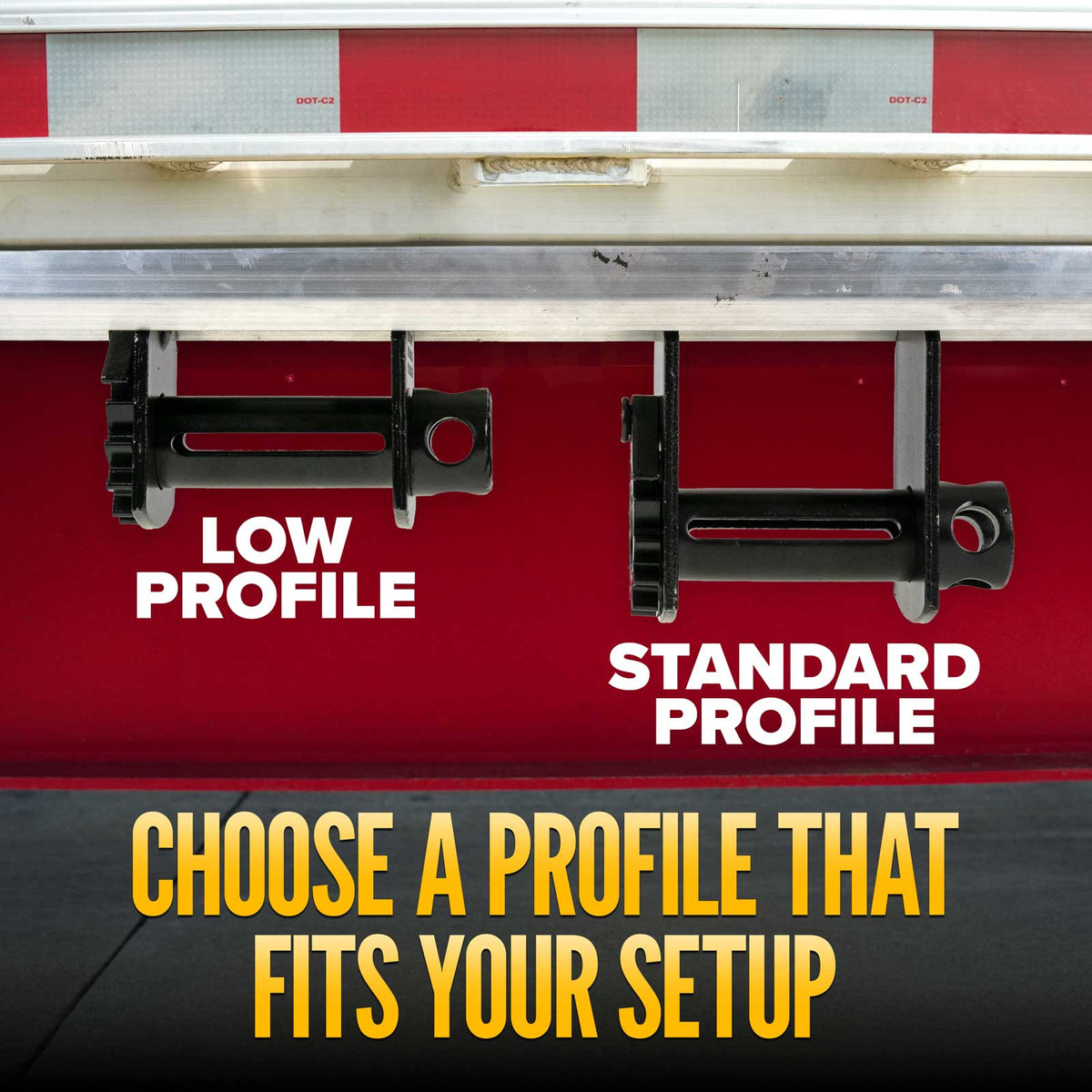
Your mount determines how stable, strong, and reusable your winch setup will be. Choosing the right type protects your truck and ensures reliable pulls.
Bolt-On Mounts for Flexible Use
Bolt-on mounts attach directly to the truck bed frame using heavy-duty hardware and require no welding. They are removable, reusable, and ideal for shared vehicles or seasonal setups. Installation typically takes less than an hour with basic tools.
- Best for light to medium-duty tasks like ATV recovery or boat loading
- Easy to transfer between trucks or remove when not needed
- Pro Tip: Use grade 8 bolts with locking nuts to prevent vibration loosening
Weld-On Mounts for Maximum Strength
Weld-on mounts are fused directly to the frame rails or bed structure, creating a rigid platform that handles extreme loads without flexing. They are the strongest option and ideal for heavy-duty applications. Only weld if you have proper equipment and experience—otherwise, hire a professional.
- Best for off-road recovery, construction, and frequent heavy pulls
- Supports 12,000+ lb winches without movement
- Safety Note: Weld quality directly affects safety—inspect regularly for cracks
Universal Mounts for Multi-Truck Compatibility
Universal mounts feature adjustable brackets and multiple bolt holes to fit various truck models. They are cost-effective for DIYers, rental fleets, or mixed operations. Reinforce with gusset plates when pairing with high-capacity winches.
Position the Winch for Best Performance
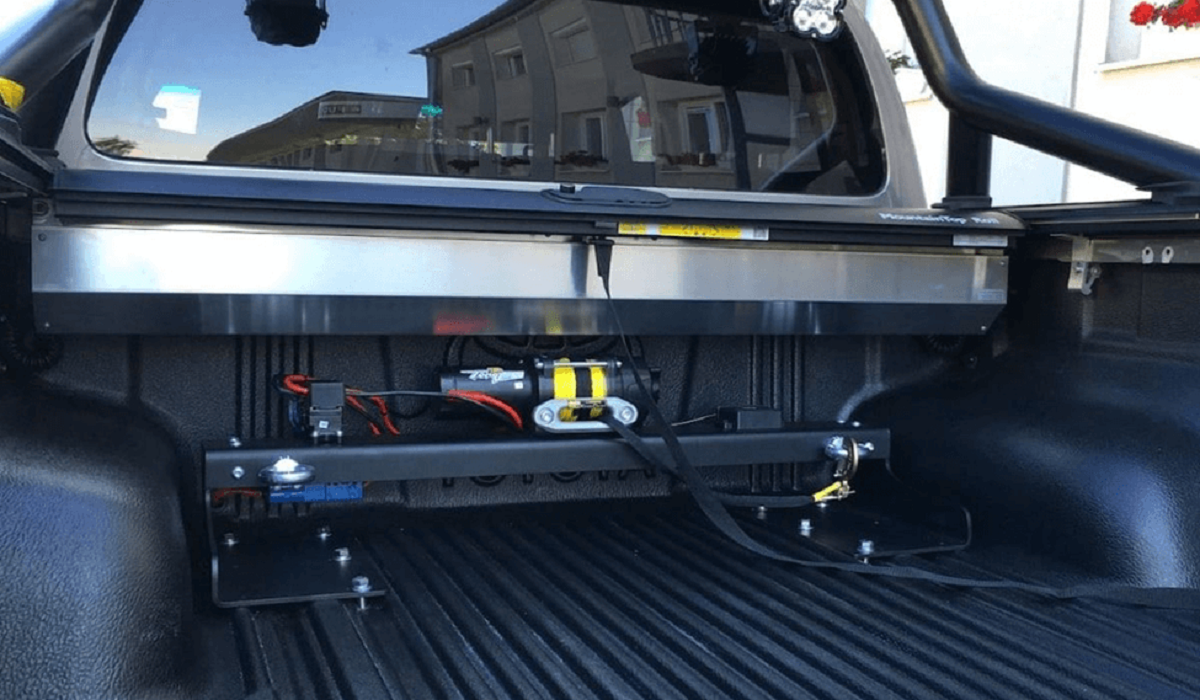
Where you place the winch affects cable alignment, pull angles, and bed space. Strategic positioning prevents damage and improves efficiency.
Center-Mount for Balanced Pulls
Mounting the winch in the center of the bed, just behind the cab, gives you a straight-line pull in most recovery situations. This layout works well when using a pulley block to redirect force. Install a swivel fairlead to allow side-angle pulls without damaging the cable.
Side-Mount for Bed Space and Reach
A side-mounted winch (usually on the driver’s side) keeps the center of the bed open for cargo. This setup works well for landscapers, log haulers, or anyone moving long items. Pair with a fold-down arm or telescoping pole to extend reach when needed.
Under-Bed Mounts for Security
Under-bed mounts hide the winch beneath the bed floor, with the cable exiting through a small port. This keeps the winch protected from weather and theft. However, it limits maintenance access and requires precise fabrication to function properly.
Upgrade Your System with Smart Accessories
The right accessories extend winch life, improve safety, and expand what your truck bed winch can do.
Install the Correct Fairlead
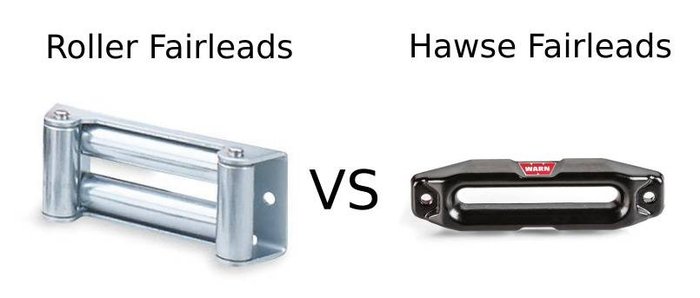
A fairlead guides the cable off the drum and prevents fraying. Choose between roller fairleads for steel cables and hawse fairleads for synthetic rope. Synthetic rope paired with a hawse fairlead is lighter, safer, and easier to handle than steel cable in most recovery situations.
Add a Wireless Remote Control
Wireless controllers let you operate the winch from a safe distance, giving you better visibility and keeping you clear of the danger zone. Look for systems with weatherproof receivers and simple plug-and-play setups.
Protect the Winch with a Cover
Even bed-mounted winches face mud, dust, and rain. A custom winch cover or sealed enclosure keeps the motor and solenoid clean. You can build a simple hinged aluminum box with rubber seals or buy a pre-fitted cover from brands like B&W or Rampage.
Creative Truck Bed Winch Ideas for Work and Play
Beyond recovery, a truck bed winch handles dozens of tasks that save time and effort.
Load ATVs and Motorcycles Without Ramps
Mount a 12,000-lb winch in the bed and use a snatch block anchored to the front bumper. Attach a padded strap to the ATV’s frame and slowly reel it in. This method cuts loading time in half on uneven ground and eliminates the risk of a ramp slipping.
Haul Firewood and Logs from the Woods
For loggers or homesteaders, use the winch to drag cut timber from dense brush straight into the truck bed. Attach a choker chain or log arch to the winch line and pull logs in without manual lifting. Always stay clear of the winch line’s danger zone during pulls.
Recover a Stuck Boat Trailer
Boat trailers often sink into mud or sand at ramps. With a bed-mounted winch, you can recover your trailer without needing another vehicle. Anchor the winch to the trailer frame and reverse the truck slightly to create tension before pulling.
Build a Mobile Engine Hoist
Turn your truck into a field repair station by combining the winch with a portable A-frame. Secure the A-frame to the bed, attach the winch hook to the engine, and lift transmissions or heavy components with ease. Never stand under lifted loads and always use safety chains as a backup.
Follow Essential Safety Practices
Even the best setup can fail without proper safety habits and routine inspections.
Respect the Winch’s Rated Capacity
Every winch has a rated line pull, typically between 8,000 and 15,000 lbs. Never exceed this limit, especially with synthetic rope, which can fail violently under overload. A good rule of thumb is to choose a winch rated at 1.5 times the weight of what you’re pulling.
Inspect Mounts and Hardware Monthly
Vibration and stress loosen bolts and crack welds over time. Monthly inspections catch problems before they become dangerous. Check for tight mounting bolts, frame cracks near weld points, frayed cable or rope, and corroded electrical connections.
Always Use a Winch Safety Strap
A nylon safety strap draped over the winch cable absorbs energy if the line snaps. Place the strap between the winch and the anchor point whenever the line is under tension. It is a simple step that can prevent serious injury.
Wire Your Winch for Reliable Power
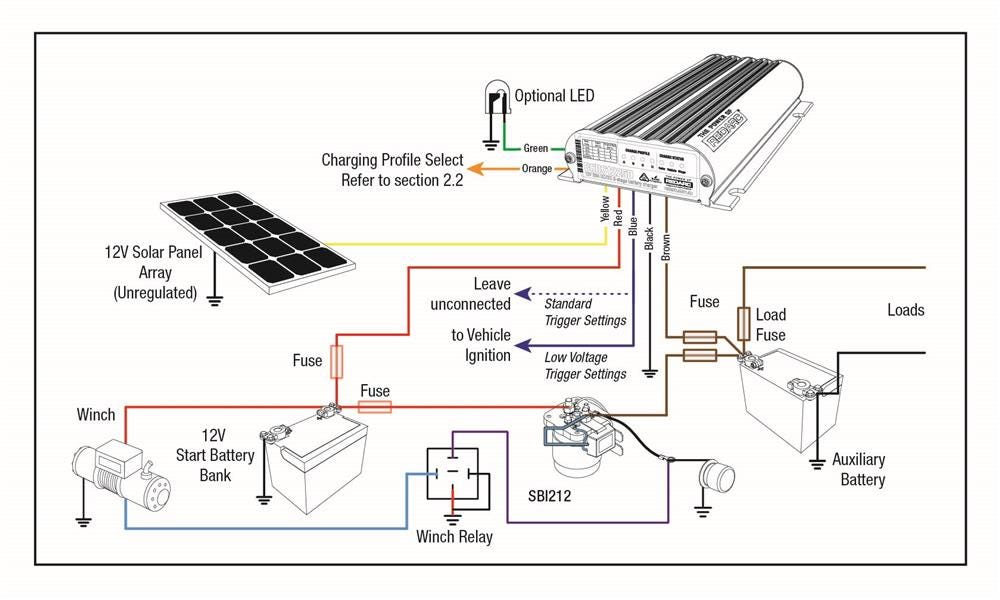
A winch is only as strong as its power supply. Poor wiring leads to slow operation, overheating, and electrical failure.
Use the Correct Cable Gauge
Most 12,000-lb winches require 2-gauge or 1/0-gauge battery cables to deliver full performance. Thinner wires overheat under load and reduce pulling power. Run cables directly from the battery to the winch solenoid and use rubber grommets where wires pass through metal.
Consider a Dual Battery Setup
Frequent winching drains your truck’s starting battery. A dual battery system with an isolator keeps your starter battery safe while powering the winch. This setup ensures you never get stranded with a dead battery after a long recovery.
Choose Trusted Winch Brands
Sticking with reputable manufacturers ensures reliability, support, and long-term durability.
- Warn Industries: Industry leader with excellent build quality, strong warranties, and a wide accessory range. The Zeon series is a top pick for serious users.
- Superwinch: Known for value and innovation. The SRC series features wireless remotes and weather-sealed components.
- Smittybilt: Popular in off-road circles. The XRC Gen2 is affordable, rugged, and often sold with mounting hardware included.
- Mile Marker: Excels in heavy-duty and hydraulic winch applications for extreme durability.
- B&W: Offers premium mounts and bed-rail systems for custom installations.
Keep Your Winch in Top Condition Year-Round
Regular maintenance extends winch life and ensures reliable performance when you need it most.
Clean the Winch After Every Use
Rinse off mud, salt, and debris after off-road or coastal trips. Avoid spraying water directly into the motor or solenoid box. Instead, use a damp cloth and dry all components thoroughly.
Lubricate Moving Parts on Schedule
Follow the manufacturer’s schedule for greasing the winch drum, gears, and cable. Use winch-specific lubricant on steel cable to prevent rust, and stick to dry treatments on synthetic rope to avoid attracting grit.
Re-Spool the Rope Under Tension
Always re-spool the cable under light tension after use. Loose winding causes tangles, pinches, and internal damage to the rope. Mark the middle of the rope with tape to monitor spooling alignment during rewinding.
Frequently Asked Questions About Truck Bed Winches
What size winch should I mount in my truck bed?
For vehicle recovery, choose a winch rated at 1.5 times your vehicle’s weight. A 6,000-lb truck needs at least a 9,000-lb winch. For loading ATVs or equipment, 8,000 to 12,000 lbs is usually sufficient.
Can I mount a winch in my truck bed without welding?
Yes. Bolt-on mounts and universal mounts attach to the frame using heavy-duty hardware and require no welding. They are removable, reusable, and ideal for temporary setups or shared vehicles.
Where is the best place to position a winch in the bed?
The center of the bed, just behind the cab, provides the most balanced pulling angle for most recovery situations. Side mounts work better for long cargo, and under-bed mounts offer theft protection with limited maintenance access.
How do I wire a truck bed winch to my battery?
Run 2-gauge or 1/0-gauge cables directly from the battery to the winch solenoid. Use rubber grommets where wires pass through metal, and consider a dual battery setup with an isolator for frequent winching.
Do I need a fairlead for my truck bed winch?
Yes. A fairlead guides the cable off the drum and prevents fraying. Use a roller fairlead for steel cable and a hawse fairlead for synthetic rope. It is essential for smooth operation and longer cable life.
How often should I inspect my winch mount?
Inspect mounts, bolts, and welds at least once a month under normal use. Check after any heavy pull or off-road session. Look for loose hardware, cracks near weld points, frayed cables, and corroded electrical connections.
Key Takeaways for Truck Bed Winch Ideas
A truck bed winch is more than a recovery tool. It is a force multiplier for work, adventure, and self-reliance. Start by choosing the right mount for your needs, then position the winch for balanced pulls and easy access. Upgrade with smart accessories like fairleads and wireless remotes, and always respect the winch’s rated capacity. With proper wiring, routine maintenance, and safe operating habits, your truck bed winch will deliver reliable performance for years. Pick a setup that matches your most common tasks, install it correctly, and your pickup will be ready for any challenge the trail or jobsite throws its way.