Unloading gravel, mulch, or compost from a pickup truck by hand can wreck your back and eat up your whole afternoon. The HAUL-MASTER 2000 lb. Capacity Truck Bed Cargo Unloader solves this problem by letting you slide up to 2,000 pounds of cargo out the back with a simple hand crank. Getting it installed correctly is the key to smooth, reliable operation, and the process is easier than most buyers expect.
This guide walks you through how to install a truck bed cargo unloader from start to finish. You will learn how to position the dragsheet, route the winch cable, secure anchor points, and run a quick test before your first load. We will also cover real fitment tips for trucks like the Chevy 2500 HD and simple maintenance habits that extend the life of your unloader.
Prepare Your Truck Bed for Installation
A clean, flat bed is the foundation of a good install. Debris or sharp edges can damage the dragsheet or cause snags the first time you crank.
Clear and Inspect the Bed Surface
Remove any tools, mats, or leftover cargo. Wash out dirt and grit, especially near the tailgate hinges and bed rails. Run your hand across the floor to check for rust, dents, or sharp protrusions that could tear the polypropylene sheet. A smooth surface lets the dragsheet glide without catching.
Confirm Your Truck Compatibility
The HAUL-MASTER fits most full-size pickup trucks with standard 6 to 8 foot beds. It is built for half-ton models but also works with heavier-duty trucks. Some owners with wider beds, such as the Chevy 2500 HD, report needing a minor bracket modification for a tight fit. We will cover that fix in detail later.
Position the Dragsheet the Right Way
The 170 in. L x 50 in. W dragsheet is the heart of the system. Correct alignment keeps the load pulling evenly toward the tailgate.
Lay the Sheet Flat from Cab to Tailgate
Unroll the dragsheet so the front edge sits against the bulkhead just behind the cab. Center it side-to-side so it does not ride up on the bed rails. Let the back edge extend slightly past the closed tailgate to give the cable a clean pulling point.
Pro Tip: If your tailgate leaves a gap when closed, fold the back edge over a thin metal bar or tape it down. This prevents snags when you retract the sheet after unloading.
Mount the Winch and Route the Cable
The winch lives inside the cab and connects through the rear wall to pull the dragsheet. Proper routing protects the cable and keeps the cab sealed.
Place the Winch Behind the Front Seat
Set the winch unit on the passenger-side floor behind the front seat where it will not slide around. Most trucks have a pre-drilled grommet or rubber plug in the rear cab wall. Remove it carefully and feed the steel cable through into the bed.
Note: If your truck has no access hole, drill a 3/8 inch opening away from wiring and fuel lines, then seal it with a rubber grommet to keep out water and dust.
Connect the Cable to the Dragsheet Eyelet
At the rear of the bed, find the reinforced loop at the center of the dragsheet’s back edge. Thread the winch cable through this eyelet and lock it with the included S-hook or clamp. Pull firmly to confirm the connection is solid, since this joint takes the full force of every load.
Secure the Anchor Points
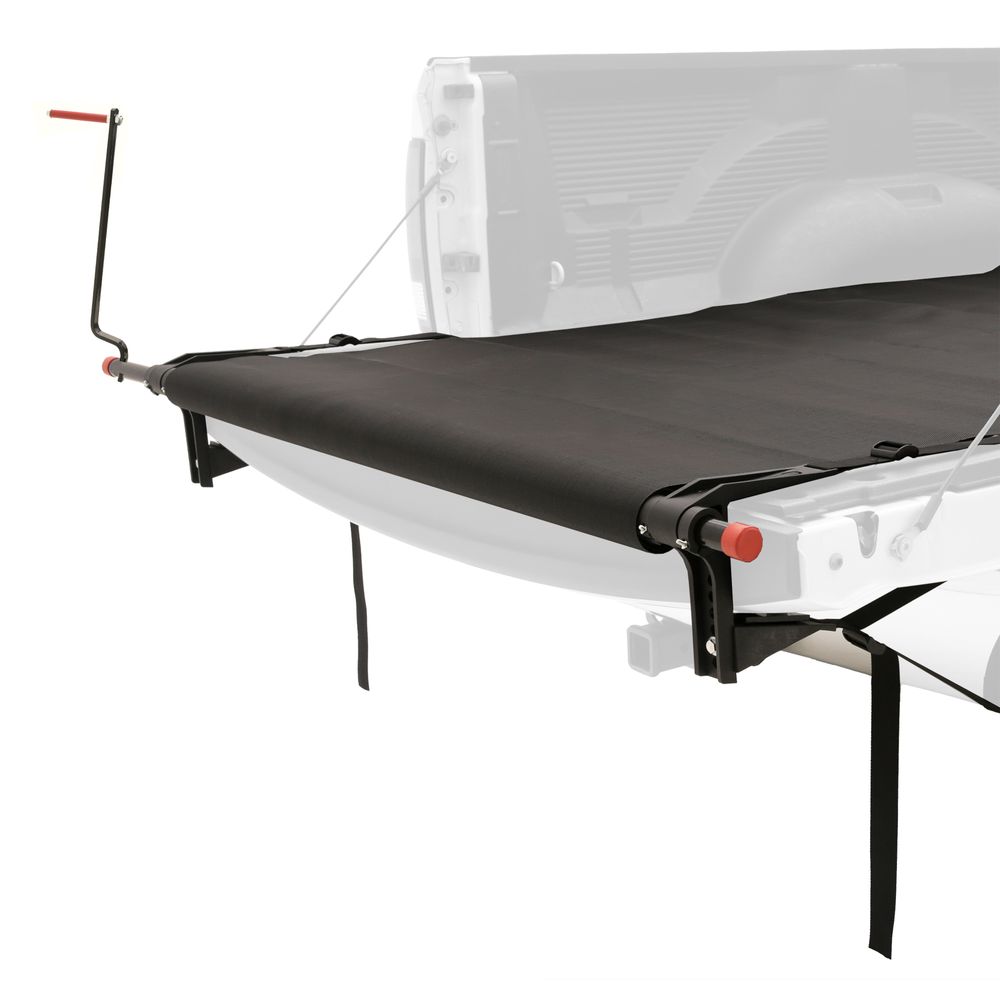
Side anchoring keeps the dragsheet flat as cargo pushes against it. Without tension on both sides, the sheet bunches up and the load shifts.
Fasten Straps Along Both Bed Rails
Attach tie-down straps from the dragsheet edges to stake pockets or bed rails. Keep tension even across both sides. Too loose and the sheet wanders; too tight and you risk stretching the fabric.
Avoid Common Mistake: Do not anchor straps right at the tailgate. Leave at least 12 inches of free movement at the rear so the sheet can slide out smoothly during unloading.
Test the Crank Before Loading
A quick dry run catches problems before you have 2,000 pounds sitting on the sheet. Skipping this step is the easiest way to discover a kink mid-load.
Crank Slowly and Watch for Binding
Turn the crank at a steady, slow pace to retract the dragsheet. Watch for snags, cable kinks, or pinching at the cab entry point. Stop immediately if you hear grinding or feel the handle fighting back.
Extend and Retract Several Times
Reverse the crank to push the sheet back into position. Confirm it lays flat and covers the full bed width. Repeat the cycle two or three times until the motion feels consistent and smooth.
Load and Unload Safely
Once tested, the system is ready for real use. Smart loading habits protect both your back and your new unloader.
Spread Material in a Level Layer
Pour or shovel material onto the dragsheet in an even layer. Avoid piling high near the cab or sides. For dense materials like soil or sand, keep loads under 2,000 pounds and limit volume to about two to three cubic yards.
Expert Note: One verified buyer mentioned that three full yards of compost was too heavy to get moving at first, especially for older users. Starting with a smaller load or having someone give the cargo an initial push helps break static friction.
Lower the Tailgate and Crank at a Steady Pace
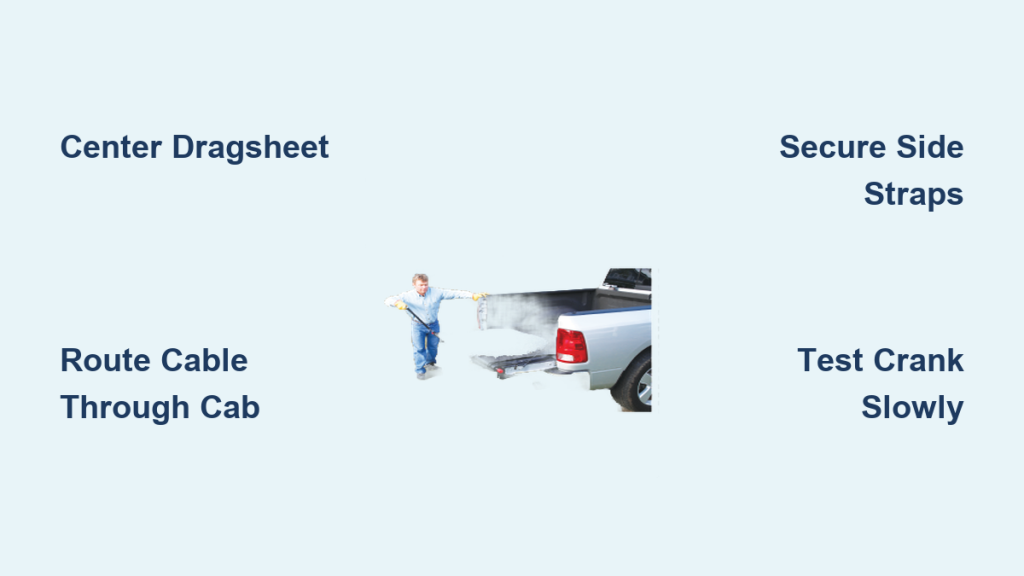
Open and lock the tailgate in its fully down position. Begin cranking at a steady rhythm and let the dragsheet pull the material out gradually. If resistance builds, pause and redistribute material near the front before resuming.
Troubleshoot Fitment Issues on Wider Trucks
Most installs go smoothly, but a few truck models need small tweaks. Knowing these fixes ahead of time saves a trip back to the hardware store.
Add a Bracket for Chevy 2500 HD and Similar Models
A verified buyer with a Chevy 2500 HD reported the cable fit was loose out of the box. The fix was adding a metal bracket to anchor the winch cable more securely to the bed frame. A simple U-bolt or custom bracket from any hardware store works for this modification.
Seal the Cab Entry Point
After routing the cable, seal the hole with a rubber grommet or a bead of silicone caulk. This keeps rain, road dust, and wind noise out of the cab for a quieter, cleaner ride.
Maintain Your Cargo Unloader for Long-Term Use
Simple care after each use keeps the unloader working like new for many seasons. Most maintenance takes only a few minutes.
Clean the Dragsheet After Every Haul
Rinse the sheet with a garden hose after unloading dusty or sticky materials like compost or sand. Let it air dry fully before retracting to prevent mold and fabric breakdown. One buyer recommended sweeping the truck bed after each unload to remove grit that slowly wears the sheet.
Inspect the Cable and Winch Monthly
Check the steel cable for fraying, kinks, or rust spots every few weeks. Apply light machine oil to the winch mechanism every three to six months to keep the gears turning smoothly. Store the crank handle in a dry spot to prevent corrosion.
Store the System Fully Retracted
Retract the dragsheet completely after cleaning and keep the tailgate closed. This shields the system from weather, road debris, and UV damage when the truck is parked.
Maximize Unloading Speed on the Job
A few smart habits turn a good install into a great workflow. These tips come straight from buyers who use the unloader every week.
Catch Material Directly in a Dump Cart
Roll a wheelbarrow or garden cart under the tailgate as you crank. The material drops right in and you skip a second shoveling step. One buyer used this method to fill raised planting beds without ever lifting a full shovel.
Start Heavy Static Loads with a Quick Push
If a load refuses to budge, a short push from a second person breaks the initial friction. Once the sheet starts moving, the winch takes over and the rest slides out on its own.
Frequently Asked Questions About Truck Bed Cargo Unloader Installation
How long does it take to install a truck bed cargo unloader?
Most buyers complete the full install in under 30 minutes. The dragsheet lays flat in minutes, and routing the winch cable through the rear cab wall is the only step that may take extra time depending on your truck model.
Will the HAUL-MASTER fit a Chevy 2500 HD truck bed?
It fits most Chevy 2500 HD beds with a minor modification. At least one verified buyer added a metal bracket to secure the winch cable because the stock fit was slightly loose. After this small tweak, the unloader worked perfectly.
What is the maximum load the cargo unloader can handle?
The unloader is rated for up to 2,000 pounds of cargo. For dense materials like wet soil or sand, keep loads closer to two cubic yards to avoid difficult starts. Lighter materials like mulch or compost can go up to three yards.
Do I need to drill a hole in my truck to install the unloader?
Most trucks already have a pre-drilled grommet or access point in the rear cab wall for routing the cable. If yours does not, you will need to drill a 3/8 inch hole and seal it with a rubber grommet to protect against leaks and noise.
How do I clean and store the truck bed cargo unloader?
Rinse the dragsheet with a hose after each use and let it dry before retracting. Sweep the truck bed to remove grit, then fully retract the sheet and close the tailgate for storage. Monthly cable inspections and quarterly winch lubrication keep everything in top shape.
Key Takeaways for Installing Your Truck Bed Cargo Unloader
A proper install comes down to three basics: center the dragsheet from cab to tailgate, route and seal the winch cable through the rear wall, and keep side straps taut but not overly tight. Test the system with a few dry runs before loading real cargo. For wider trucks like the Chevy 2500 HD, a small metal bracket solves the fitment issue in minutes.
Once installed, rinse the sheet after every haul, sweep the bed, and lubricate the winch every few months. These small habits protect your investment and keep the unloader ready for the next load. Grab your HAUL-MASTER, follow the steps above, and trade your shovel for a hand crank on your very next project.