If you own a Ram 1500 and want to protect your cargo, improve fuel efficiency, and give your truck a sleeker look, installing a tonneau cover is one of the smartest upgrades you can make. This comprehensive guide covers every step for installing soft tri-fold, soft roll-up, and hard folding covers on 2009-2025 Ram 1500 models. You will learn how to avoid common mistakes like bed liner interference and front gaps, and ensure a perfect seal in under 60 minutes for most models.
Confirm Bed Size and Compatibility
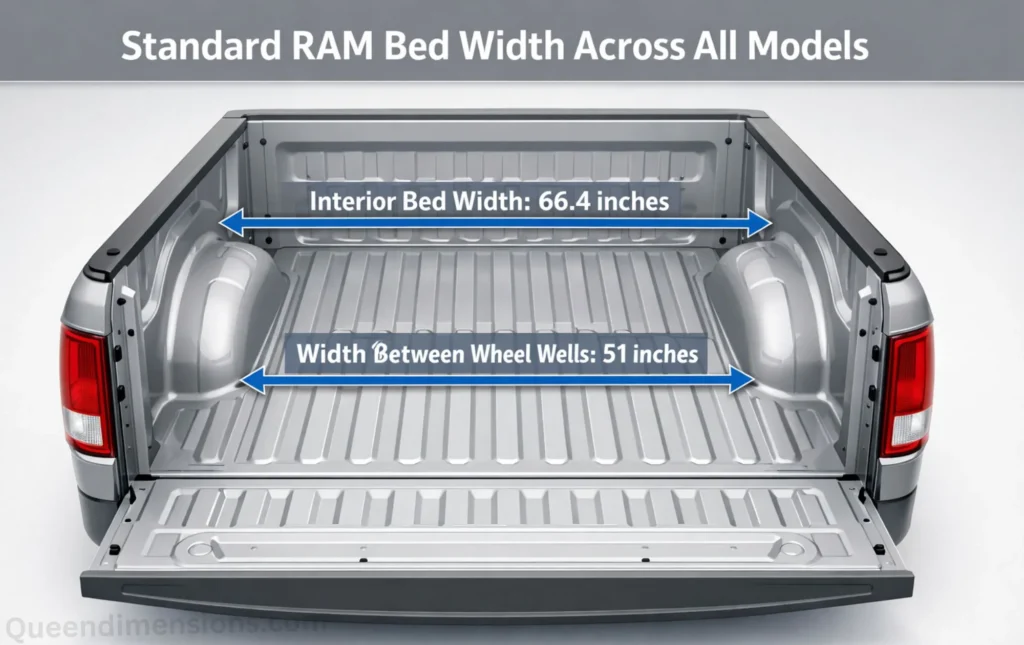
Before opening the box, verify your truck bed length to ensure a proper fit. Installing the wrong cover leads to misalignment, poor sealing, and potential return costs.
Measure the Truck Bed
Use a measuring tape to measure from the bulkhead (front wall of the bed) to the closed tailgate. Here are the standard bed sizes and their compatible cover types.
5.6-ft (66-inch) beds require soft tri-fold covers like the Tyger Auto model. 5.7-ft (68.4-inch) beds work with hard folding models such as BakFlip MX4 and WeatherTech AlloyCover. 6.4-ft (76.8-inch) beds fit soft roll-up covers like Yamot and etrailer models. Always measure inside the bed walls, not over the bed cap or liner.
Match Cover to Model Year
2010-2025 Ram 1500s are compatible with most soft tri-fold and roll-up covers. 2009-2016 models are required for BakFlip MX4 and WeatherTech AlloyCover hard folding options. Covers are designed to follow OEM bed contours, but modifications may be needed for bed liners.
Check Bed Liner Type
Drop-in plastic bedliners often block rail contact with the bulkhead. You will need to cut a notch so the front of the rail touches bare metal. Spray-in bedliners usually do not interfere but inspect for buildup near sealing surfaces. Clamps must contact the steel frame, not just liner material, to prevent loosening over time.
Gather Required Tools and Parts
No power tools are needed for most installations. All hardware comes included, just bring a few basics.
Essential Tools
9/16-inch wrench for clamps (torque to 8-10 ft-lbs). Allen key for adjusting set screws on soft roll-up clamps. Scissors or utility knife for trimming foam strips or cutting bedliner. Drill with ~1-inch bit only if routing drain tubes through kick-out panel. Alcohol-based cleaner for surface preparation. Microfiber cloth or shop-vac for removing debris.
What is Included by Model
Tyger Auto Tri-Fold includes the cover, front/rear clamps, foam sealing strip, weather-stripping, and safety straps. Yamot Roll-Up includes rails, brackets, bulkhead strip, LED light, vinyl cover with support beams. BakFlip MX4 includes hard panels, side rails, clamps, prop rods, drain tubes, and bulkhead seal. etrailer Roll-Up includes rails, 6 clamps, Velcro strips, rubber end caps, and hand knobs.
Prep the Truck Bed
A clean, interference-free bed ensures a watertight seal and secure clamp attachment.
Clean Contact Surfaces
Wipe down bed rails and bulkhead with alcohol-based cleaner. Remove dirt, grease, or wax that could weaken adhesive bonds. Dry with a microfiber cloth, leaving no residue behind. Ensure clamps will contact bare metal, not just the bed liner.
Modify Drop-In Bed Liners
If your Ram has a plastic drop-in liner, it may block the front rail from reaching the bulkhead. Use a utility knife to cut a small square notch where the rail meets the front wall. On BakFlip MX4, this step is mandatory since rails must seat fully against the bulkhead. Avoid cutting structural ribs, only remove material directly under the rail path.
Install Sealing Strips
For tri-fold covers like Tyger Auto, cut the adhesive foam strip to match the inner rail length. Position it 1/8 inch from the inner edge of the rail to prevent overhang. Press firmly along the entire length for full adhesion.
For roll-up covers like Yamot and etrailer, apply the bulkhead sealing strip directly to the steel frame, not the liner. After cleaning with alcohol, press the strip flush and smooth out air bubbles. Pull the cover internal weather strip forward and press it against the bulkhead for a tight seal.
Install Soft Tri-Fold Cover
Ideal for 5.6-ft beds, soft tri-fold covers offer partial access and easy setup.
Position the Cover
Place the fully assembled tri-fold cover onto the bed. Align the front edge flush with the bulkhead. Ensure equal overhang on both sides, with no side hanging lower than the other.
Mount Front Clamps
Slide each front clamp under the bed rail and into the mounting slot. Position vertically so it sits straight when tightened. If the bed liner blocks contact, cut a small opening to expose bare metal. Seat the clamp fully until it clicks or feels snug. Tighten slightly but do not fully torque yet.
Attach Rear Clamps
Rear clamps have three peg slots. Use the innermost slot for best alignment. Push the plastic clip under the bed rail lip and lock it in place. Use a flat-head screwdriver to fully engage stubborn clips. Tighten the screw until firm, minor movement afterward is normal.
Seal Front Gap from Bed Liner
A common issue is light visible between cover and bulkhead due to liner thickness. Fix it with included rubber weather-stripping by removing front safety straps, measuring the cover front edge, cutting the rubber strip to match, applying it along the front edge, and tucking excess underneath to avoid bulging.
Adjust and Tighten Clamps
Re-attach front clamps after sealing. Check that front edge is straight and one rear clamp may angle slightly. If misaligned, loosen clamps, reposition cover, and re-tighten incrementally. Adjust rear clamp position by switching peg slots.
Secure Safety Straps
Lay straps untwisted and flat across the cover. Attach to front clamps and hand-tighten only. Over-tightening can warp the cover or damage clamps. Adjust both sides for equal tension.
Install Soft Roll-Up Cover
Best for quick access and low-profile look, ideal for 6.4-ft beds.
Apply Bulkhead Strip
Clean the front bed wall with alcohol. Press the bulkhead strip firmly onto bare steel, not the liner. Ensure full contact with no gaps or lifting at the edges.
Mount Side Rails and Brackets
Install three brackets per side plus one center bracket for 6.4-ft beds. Position side rails 6-8 inches from the bulkhead. Hand-tighten screws, do not fully tighten yet to allow alignment adjustments.
Seat the Cover Tab
Lift the vinyl edge and slide the square tab into the rail track. Push until flush and fully seated. Repeat on both sides to prevent crimping. Tighten the securing screw on each side once engaged.
Unroll and Stretch the Cover
Unclip the front and let the cover hang over the bed. Unroll completely toward the tailgate. Wrinkles will disappear with sun exposure, no need to stretch manually. Use built-in metal support bars to gently pull taut from front to rear.
Engage Clip System
Insert pull tabs into grooves along the side rails. Ensure even spacing and consistent gap between cover and rail. Confirm middle section is supported to maintain tension.
Final Clamp Tightening
Once aligned, fully tighten all clamps. In cold weather, vinyl stiffens so let it warm in sunlight before final tightening. Loosen Velcro slightly, stretch, then re-secure.
Make Final Adjustments
Use a measuring tape to center the cover with equal distance from cab on both sides. Fully engage the hook-and-loop (Velcro) strip. Close the tailgate ensuring it latches fully and creates a seal. Install rubber end caps under the tailgate handle to prevent wear.
Install Hard Folding Cover
Premium protection for 2009-2016 Ram 1500s with superior security and durability.
Prepare Bulkhead Seal
The pre-installed bulkhead seal sits between the bed cap and tailgate opening. Push it as far rearward as possible. Ensure it extends fully to the bed cap on both sides.
Install Side Rails
Orient the passenger-side rail so the aluminum tab faces inward, creating a ledge with a rubber seal. If a drop-in bedliner is present, notch it to allow rail contact with the bulkhead. Hang the rail on the bed cap and slide forward until it hits the bulkhead. Repeat the same steps for the driver-side rail.
Secure Rails with Clamps
Loosen each clamp and spread it open. Slide the rail into the clamp grooves, sitting as high as possible. Push the rail forward to the bulkhead while keeping it level. Hand-tighten first, then use a 9/16-inch wrench to apply 8-10 ft-lbs of torque. Repeat at mid-bed and rear positions.
Attach Prop Rod and Drain Tube
Snap one end of the prop rod onto the ball stud on the rail. The other end clicks into a hanger bracket to hold the cover open safely. Slide the drain tube over the spout on the rail. Route it through the kick-out panel using the pre-drilled hole if you have a bed rug. If not, drill a ~1-inch hole in the kick-out to guide the tube.
Position the Cover
Place the hard panel cover onto the rails. Align the rubber gasket near the front with the bulkhead seal. Slide forward until the gasket rests fully over the seal. Engage latches, cover should sit flush with no gaps.
Adjust Elevator Bolts
Release latches and fold the cover toward the cab. From underneath, install flat washer, rubber washer, flat washer, locknut on the elevator bolt. Pass bolt through cover top and slotted rail. Install star knob loosely. This allows vertical adjustment and smooth folding.
Final Setup
Fold the cover down and check it is centered without rubbing the rails. Open toward the cab and ensure no side-to-side movement. Snug the star knobs, do not over-tighten. Test latches and prop rod, installation complete.
Check Alignment and Weatherproofing
A few quick tests ensure your cover performs in rain, wind, and daily use.
Test Front Seal
Fold the tri-fold or hard cover forward. Hold the front spring mechanism down as you fold to ensure it locks. If misaligned, loosen clamps, reposition, and retighten.
Inspect Tailgate Seal
Close the tailgate. Have someone look from inside the bed. Any visible light means a gap, tighten clamps or add weather-stripping.
Verify No Daylight Gaps
Walk around the truck and check the front edge against bulkhead, sides along bed rails, and tailgate junction. A properly sealed cover shows zero light leaks.
Test Latch Operation
For roll-up and hard covers, latches should engage smoothly. Open and close 3-5 times to confirm reliability. Lubricate with silicone spray if stiff.
Maintain Your Tonneau Cover
Regular maintenance extends life and keeps your cover looking new.
Monthly Checks
Inspect clamps and straps, vibration can loosen them. Re-tighten to 8-10 ft-lbs as needed. Clean vinyl with mild soap and water, no harsh chemicals. Dry thoroughly to prevent mildew.
Clean Rails and Seals
Wipe down rails and rubber seals monthly. Remove dirt, sand, or salt buildup that can degrade seals. Reapply adhesive if bulkhead strip starts lifting.
Lubricate Moving Parts
For hard covers, spray silicone lubricant on latches and hinges every 3-6 months. Avoid oil-based lubes that attract dust.
Seasonal Drain Tube Check
Clear clogs in drain tubes twice a year using a pipe cleaner or compressed air. This prevents water pooling in rail channels.
Handle Temperature Changes
Material behavior varies with weather, know what to expect.
Cold Weather Tips
Vinyl becomes stiff and less flexible. Avoid forcing the cover open or closed. Let it warm in sunlight before adjusting tension.
Hot Weather Notes
Initial wrinkles or creases relax naturally in heat. No need to manually stretch, sunlight smooths the material. Covers installed in winter may need re-tensioning in summer.
Frequently Asked Questions About Installing a Tonneau Cover on a Ram 1500
How long does it take to install a tonneau cover on a Ram 1500?
Most soft tri-fold and roll-up installations take 30-60 minutes. Hard folding covers may take 60-90 minutes due to more components. One-person installation is feasible for all cover types.
Do I need to modify my bed liner for tonneau cover installation?
Drop-in plastic bedliners typically require notching to allow rails to reach the bulkhead. Spray-in bedliners generally do not interfere but should be inspected for buildup near sealing surfaces. The included hardware is designed to contact bare metal for secure mounting.
Can I install a tonneau cover by myself or do I need help?
All cover types can be installed by one person. However, having a second person helps with holding rails in place during hard cover installation and verifying alignment. The etrailer roll-up model is noted as particularly easy for solo installation.
Will a tonneau cover fit my 2019 Ram 1500 with a 5.7-foot bed?
Yes, 2019 Ram 1500s with 5.7-ft beds are compatible with both soft tri-fold and hard folding covers. Measure your bed inside the walls to confirm exact length, then select the appropriate cover model.
How do I fix the gap between my tonneau cover and bulkhead?
Use the included rubber weather-stripping provided with your cover. Measure the front edge width, cut the strip to match, apply along the front edge, and tuck excess underneath. This seals the gap caused by bed liner thickness.
Do tonneau covers affect my truck bed utility?
Soft roll-up covers block stake pocket access since rails sit across them. Hard folding covers allow full bed access when open. Consider your typical cargo needs when choosing between cover types.
Key Takeaways for Installing Your Ram 1500 Tonneau Cover
Installing a tonneau cover on your Ram 1500 takes 30-60 minutes for most models and pays off in cargo protection, fuel savings, and style. Focus on accurate measurement, clean surfaces, and proper sealing, and you will enjoy years of reliable performance. The most critical steps are verifying your bed size, preparing the surface with alcohol cleaner, addressing bed liner interference with notching, and torquing clamps to 8-10 ft-lbs. Whether you choose a budget-friendly soft cover or a premium hard folding model, this guide ensures a professional-grade installation every time.