

You’re standing in a parking lot with a load of plywood, a stack of lumber, or a weekend’s worth of mulch — but will it actually fit in your truck? The answer depends entirely on the standard pickup truck bed size you’re working with. Pickup trucks are not one-size-fits-all vehicles, and bed lengths shift dramatically based on manufacturer, cab style, and trim level. What one brand calls “standard” may be shorter or longer than what another brand offers, so understanding real measurements is essential before you buy or haul.
This guide breaks down true bed dimensions across top-selling trucks, explains why cab configuration changes your options, and helps you pick the right bed for the cargo you carry. You’ll also learn how to measure a bed accurately and avoid common sizing mistakes that lead to wasted trips and unsafe loads.
Full-Size Truck Bed Dimensions
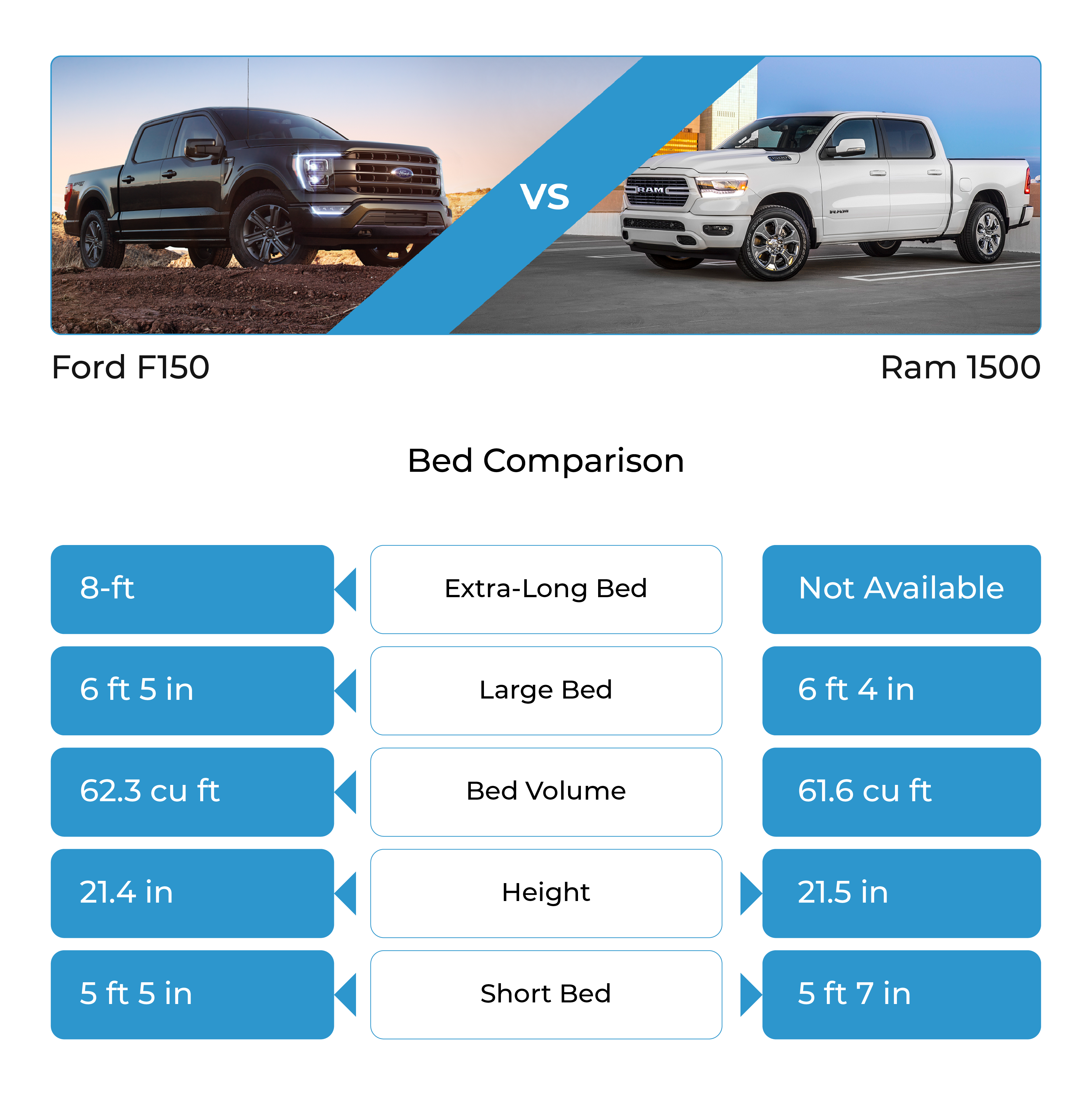
Bed length on full-size pickups is tied directly to cab style. Regular cabs offer the longest beds, while crew cabs trade bed space for rear passenger room. Always verify dimensions for your exact trim, since small differences exist even within the same model line.
Ford F-150 Bed Sizes
The Ford F-150 offers three bed lengths depending on cab and trim. The 5.5-foot (67-inch) bed is standard on SuperCrew models with the 3.65-foot wheelbase. The 6.5-foot (78.9-inch) bed pairs with SuperCrew and SuperCab configurations on the 4.25-foot wheelbase. The 8-foot (97.6-inch) bed is available only on Regular Cab and SuperCab models. Many buyers call the short bed a “6-foot” even though it measures just over 5 feet.
Chevrolet Silverado 1500 Beds
Chevrolet labels the 6.5-foot (78.8-inch) bed as standard on most configurations. It fits all cab styles except the Regular Cab, which pairs with either the 5.3-foot (63.8-inch) short bed or the 8-foot (98.2-inch) long bed. The Crew Cab typically comes with the 5.3-foot bed, while the Double Cab offers both the 6.5-foot and 8-foot options. Confirm bed length at purchase because “standard” varies by cab.
Ram 1500 Bed Lengths
Ram offers two primary bed sizes for the 1500 series. The 5.7-foot (69.7-inch) bed is standard on Quad Cab and Crew Cab models. The 6.4-foot (76.3-inch) bed is available on Crew Cab trims and is often marketed as the “standard” option. Ram does not offer an 8-foot bed on the 1500 series — that size is reserved for the heavier-duty 2500 and 3500 models. The RamBox cargo management system adds utility without increasing bed length.
Mid-Size Truck Bed Measurements

Mid-size trucks like the Toyota Tacoma, Ford Ranger, and Chevrolet Colorado prioritize maneuverability over hauling capacity. Their beds run shorter than full-size options but still handle practical payloads for most users.
Toyota Tacoma Bed Options
The Toyota Tacoma comes with two bed lengths. The 5-foot (60.5-inch) bed is standard on Access Cab models. The 6.1-foot (73.9-inch) bed is available on Access Cab and standard on Double Cab models. Even though it carries the “standard” label, the longer bed is less common due to cab configuration availability. Bed width averages 50.6 inches between the wheel wells.
Ford Ranger Bed Size
The Ford Ranger offers a single bed length across all trims: 5 feet (61 inches). This size balances utility and compact dimensions, making it ideal for urban drivers who occasionally haul gear. The bed includes four tie-down cleats and an available 7-pin connector. While shorter than full-size “standard” beds, it holds its own within the mid-size segment.
Chevrolet Colorado Bed Length
The Chevrolet Colorado provides two bed options. The 5.2-foot (62.8-inch) bed is standard on Extended Cab models. The 6.2-foot (74.4-inch) bed is available on Extended Cab and standard on Crew Cab trims. The longer bed approaches the lower end of full-size capacity, making the Colorado a solid choice for buyers wanting near-full-size hauling in a smaller package.
Compact Pickup Bed Dimensions
Compact pickups like the Honda Ridgeline and Nissan Frontier offer unique bed designs that focus on usability over raw length. While not traditional “standard” trucks, they serve similar roles for many buyers.
Honda Ridgeline Cargo Space
The Honda Ridgeline features a 5.3-foot (63.9-inch) bed with a distinctive unibody design. Unlike steel beds, it’s made of composite material and includes an in-bed trunk for secure storage. Bed width reaches 61.4 inches at the floor, significantly wider than most competitors. Despite its shorter length, the Ridgeline’s flat floor and innovative features make it highly functional for gear, tools, and outdoor equipment.
Nissan Frontier Bed Size
The Nissan Frontier offers two bed lengths. The 5-foot (60.5-inch) bed comes with the King Cab. The 6-foot (72.5-inch) bed is standard on the Crew Cab. The longer bed is often labeled “standard” in marketing materials, but availability depends on cab choice. The bed includes a Utili-Track channel system for flexible cargo management, enhancing usability despite modest dimensions.
Measuring Bed Length Accurately
Don’t rely on brochures or verbal assurances — measure the bed yourself before buying or loading. Actual usable space often differs from advertised length due to tailgate design, wheel well intrusion, or bed liners.
Inside vs. Outside Measurements
Always measure from the bulkhead (back of the cab) to the inside of the closed tailgate. This reflects true usable length. For example, an “8-foot” bed may only offer 94 inches of interior space. Use a tape measure and record length, width (narrowest point between wheel wells), and depth (from bed floor to top of rail).
Account for Wheel Well Intrusion
Wheel wells reduce usable width. Most full-size beds measure 49 to 51 inches wide between the wells — narrower than the overall bed width. If you haul wide items like sheet goods, measure this space carefully. Some trucks, like the Ram 1500, offer flared fenders that slightly increase clearance.
Matching Bed Size to Your Needs

Choosing the right bed size depends on what you haul most often. A mismatch can lead to wasted trips, unsafe overloading, or buying a larger truck than necessary.
Hauling Lumber and Sheet Goods
For 8-foot lumber or 4×8 sheets, you need at least an 8-foot bed — and even then, you must secure overhanging material properly. A 6.5-foot bed can carry 8-foot items diagonally in some models, but only if the bed is wide enough and the tailgate is down. Always check clearance and follow local overhang laws, which typically allow up to 4 feet beyond the rear bumper.
Towing vs. Bed Hauling Trade-Offs
If you regularly tow trailers, a shorter bed may be sufficient since large loads go behind the truck. But if you haul loose materials like dirt, mulch, or tools, a longer bed increases capacity and reduces trips. Consider a 6.5-foot bed as the sweet spot for versatility — long enough for most jobs, short enough for crew cab comfort.
Common Bed Size Misconceptions
Marketing terms like “standard,” “regular,” or “long bed” are inconsistent and can mislead buyers. Always verify actual dimensions before committing.
“Standard” Doesn’t Mean Universal
There is no industry-wide “standard” bed size. What Ford calls standard (6.5 feet) differs from Ram’s (6.4 feet), and neither matches the 8-foot work-truck standard. Never assume bed size based on trim name — check the spec sheet for exact inches.
Cab Size Dictates Bed Length
Many buyers are surprised to learn that choosing a crew cab often limits bed options. For example, the Chevrolet Silverado Crew Cab doesn’t offer an 8-foot bed — only the Regular Cab does. If you need maximum bed space, you may have to sacrifice rear passenger room.
Maximizing Smaller Bed Utility
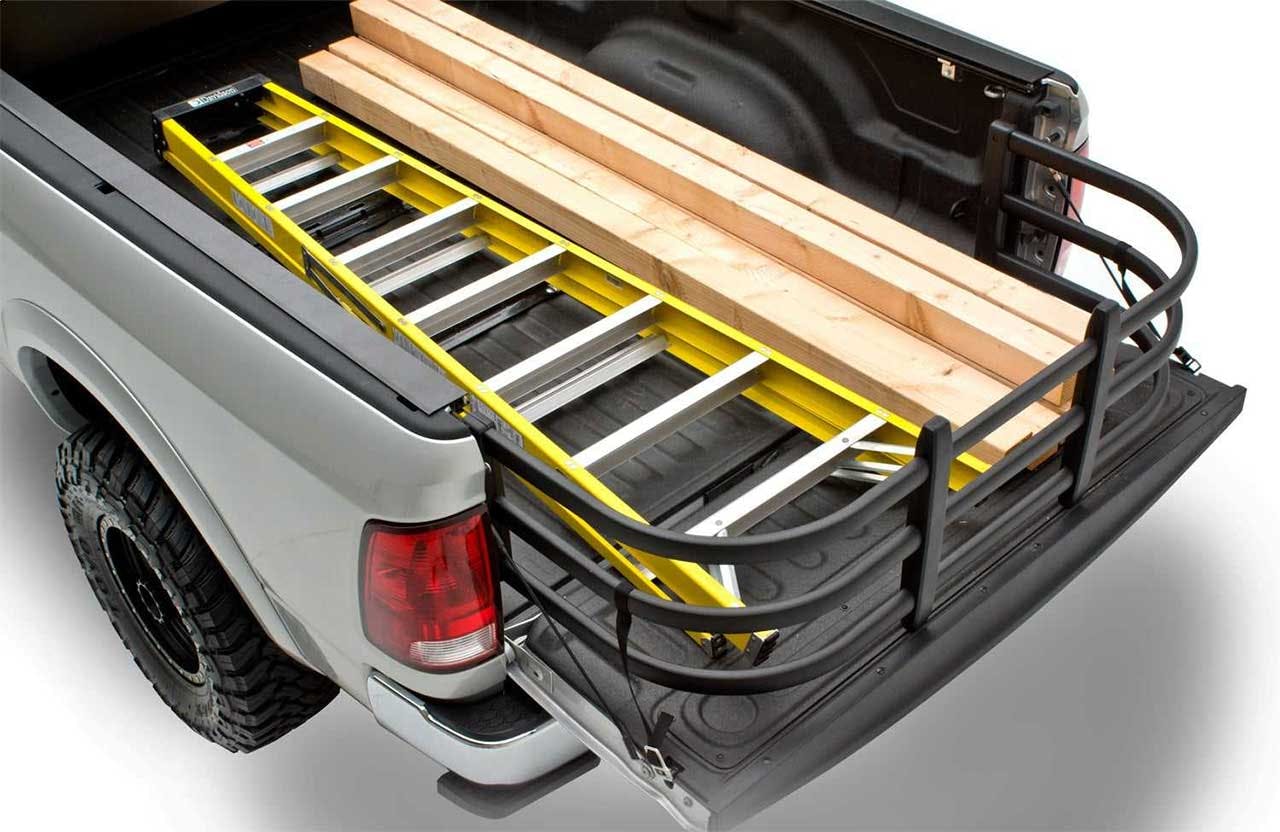
If you’re stuck with a short bed — or prefer a compact truck — smart accessories can boost functionality without changing trucks.
Use Bed Extenders and Rails
A bed extender can add 2 to 3 feet of temporary length for hauling long items. Integrated systems, like those on the Ford F-150, deploy from the tailgate. Roof racks or hitch-mounted carriers can also free up bed space for bulky gear.
Install Organizers and Liners
Cargo management systems like the RamBox or TruXedo TrackRac help organize tools and equipment. A spray-in bed liner protects the surface and improves grip, reducing load shifting during transport.
Frequently Asked Questions About Standard Pickup Truck Bed Size
What is the most common standard pickup truck bed size?
For full-size trucks, the 6.5-foot (78-inch) bed is the most widely marketed “standard” option. It appears on Ford F-150, Chevrolet Silverado 1500, and Ram 1500 models in various cab configurations. However, actual measurements vary slightly by brand.
Does cab size affect bed length?
Yes. Regular cabs typically offer the longest beds (up to 8 feet), while crew cabs usually come with shorter beds (5.5 to 6.5 feet) to preserve passenger space. Double cabs and extended cabs fall somewhere in between.
Can a 6.5-foot bed carry 8-foot lumber?
It depends on the truck. Some 6.5-foot beds can carry 8-foot items diagonally with the tailgate down, but only if width and clearance allow. For frequent lumber hauling, an 8-foot bed is the safer and more practical choice.
What is the shortest bed available on a full-size truck?
The shortest bed on a full-size pickup is typically around 5.5 feet (67 inches), found on crew cab models like the Ford F-150 SuperCrew. Some Chevrolet Silverado configurations offer a 5.3-foot short bed as well.
Which mid-size truck has the largest bed?
The Chevrolet Colorado offers the largest bed in the mid-size segment at 6.2 feet (74.4 inches) with the Extended Cab or Crew Cab long-bed configuration. The Toyota Tacoma’s 6.1-foot bed comes close.
How do I measure a truck bed accurately?
Measure from the inside of the closed tailgate to the bulkhead (back wall of the cab). Record length, width between wheel wells, and depth from floor to rail top. Don’t rely on exterior measurements or marketing claims.
Key Takeaways for Choosing the Right Standard Pickup Truck Bed Size
The true standard pickup truck bed size isn’t a single number — it’s a range shaped by model, cab, and use case. For most full-size truck buyers, a 6.5-foot bed offers the best balance of hauling capacity and everyday drivability. If you regularly transport 8-foot materials or work in construction, an 8-foot long bed is worth the trade-off in rear seat space.
Before you buy, measure the bed yourself, compare exact dimensions across brands, and match the bed to your real-world hauling needs — not marketing labels. Doing so ensures your truck works as hard as you do.