Choosing the right truck bed can transform how you use your pickup. With so many truck bed types on the market, comparing sizes and features feels overwhelming. Each design serves a different purpose, whether you haul lumber, tow campers, or navigate busy streets.
This guide breaks down every major truck bed type, comparing sizes, strengths, and ideal uses. You will learn which bed suits your lifestyle, how length affects payload, and which features matter most. By the end, you will know exactly what to look for when choosing your next truck.
Standard vs. Compact Beds
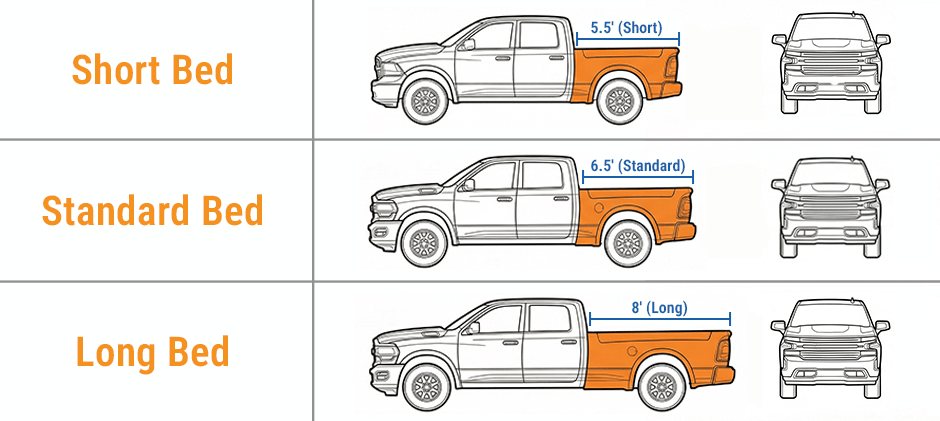
Pickup trucks come in many configurations, but beds generally fall into standard or compact categories. Your choice shapes cargo capacity, fuel economy, and daily maneuverability.
What Defines a Standard Bed
A standard bed typically runs 6.5 to 8 feet long. It suits heavy-duty hauling and appears most often on full-size pickups like the Ford F-150, Chevrolet Silverado 1500, and Ram 1500. These beds carry sheet goods, ladders, and lawn equipment without a trailer. Payload capacity ranges from 1,500 to over 3,000 pounds, depending on frame and suspension.
Standard beds work best for contractors, farmers, and outdoor enthusiasts who haul bulky gear weekly. The tradeoff is slightly lower fuel economy and tougher parking in urban areas.
When to Choose a Compact Bed
Compact beds measure 5 to 6 feet and often come on crew or extended cab models. They balance cabin space with hauling ability, making them popular with homeowners and weekend adventurers.
These beds cannot fit full 8-foot plywood without an extender, but they save fuel and park easier than long beds. Many compact beds now include built-in tie-downs, LED lighting, and EZ Lift tailgates for convenience.
Long Bed Advantages
Long beds deliver unmatched utility for hauling large materials or towing heavy trailers. If your work or hobbies demand maximum space, this option deserves serious consideration.
Maximize Hauling Without a Trailer
Long beds, typically 7.5 to 8 feet, let you carry 8-foot lumber, drywall, or fencing panels flat. This removes the need for roof racks or trailers in most cases. Trucks like the Ram 1500 with the 6-foot-4 bed or the Ford F-150 with an 8-foot bed serve professionals who need every inch.
Better weight distribution also reduces rear axle strain and improves ride quality when carrying long loads. For fifth-wheel or gooseneck towing, a long bed provides better clearance and stability.
Who Benefits Most from Long Beds
Contractors, landscapers, and RV owners gain the most from long beds. The extra length boosts job-site efficiency and cuts down on trips. Overlanding enthusiasts also appreciate the storage for fuel cans, recovery gear, and tent components.
Keep in mind: long beds increase overall vehicle length, which may not fit some garages or driveways. They also add slight aerodynamic drag, reducing fuel economy by 1 to 2 mpg compared to shorter beds.
Short Bed Practicality

Short beds, usually 5 to 5.5 feet, grow more popular on modern crew cab trucks where interior space takes priority. They offer a different kind of value for specific drivers.
Ideal for Urban Drivers
Short beds excel in city driving. Their compact size improves maneuverability for parallel parking and narrow streets. Despite the smaller cargo area, many short-bed trucks still deliver strong towing and payload ratings through advanced frame engineering.
The Chevrolet Colorado with a 5-foot bed and Toyota Tacoma with a 5-foot bed both offer impressive utility without sacrificing agility. These trucks suit urban dwellers who haul light loads, transport bikes, or take weekend trips.
Overcoming Limited Space
The main drawback is limited cargo room. Full 8-foot materials will not fit flat, creating overhang and safety risks. Manufacturers address this with smart features:
- Bed extenders: Tailgates that increase effective bed length
- Foldable tie-downs: Maximize usable space
- Under-rail storage: Secure small tools or accessories
- Modular dividers: Organize gear efficiently
Adding a bed rug or liner protects the surface during frequent loading and unloading.
Fleetside vs. Styleside Beds

These terms often confuse buyers, but they refer to the same modern design, distinct from older fender-well styles. Understanding the difference helps when shopping for accessories.
Modern Side Rails with Smooth Sides
Fleetside and styleside beds feature straight, smooth outer panels running parallel to the cargo box. This design maximizes interior bed width and simplifies manufacturing. It is standard on nearly all modern pickups, including the Ford F-Series, Ram Trucks, and Nissan Titan.
Flat sides make loading wide items easier and improve compatibility with bed covers and tonneau systems. Fender flares no longer intrude into the bed, giving you full use of the cargo area.
Ford originally used “Fleetside” to distinguish smooth-sided beds from the “Flareside” design, while GM used “Styleside.” Today, the distinction is mostly historical.
Why Design Consistency Matters
With fleetside and styleside beds dominating the market, accessory compatibility stays high. You will find more options for bed liners, toolboxes, slide-out drawers, and camper shells. Maintenance is also simpler, since fewer seams mean less dirt buildup and corrosion risk.
This standardized shape improves aerodynamics slightly over protruding fender designs, contributing to better fuel economy.
Flareside Beds: Classic Style
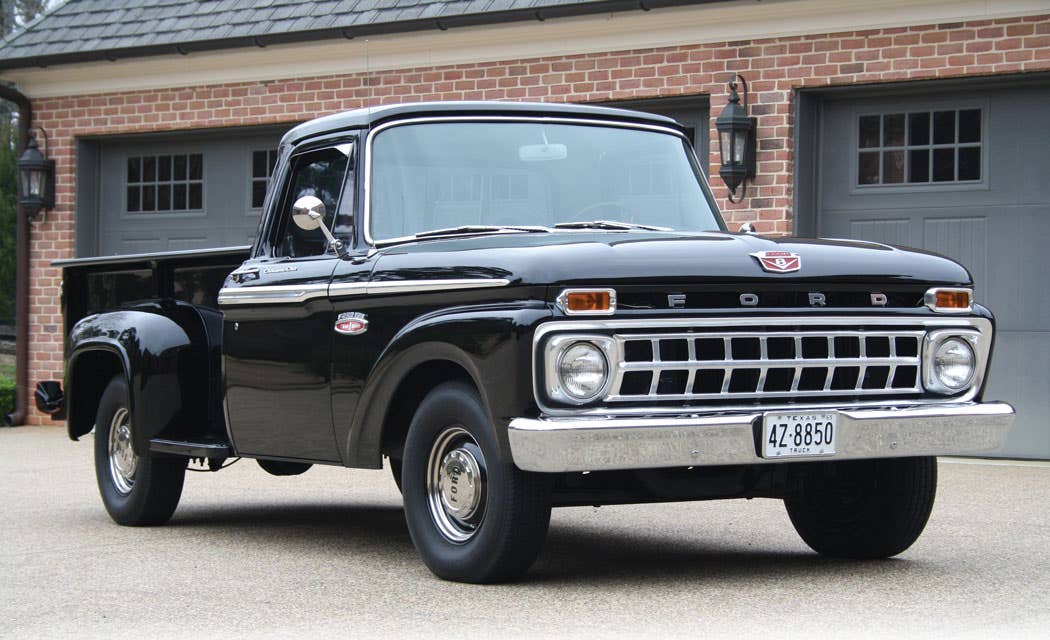
For drivers who value vintage aesthetics, flareside beds offer a distinctive look that stands out among modern trucks. They serve a different kind of buyer.
Distinctive Fender Wings on Sides
Flareside beds feature pronounced fender flares extending outward from the bed, housing the rear wheels. This design appeared on older trucks like the Ford F-100 and Chevrolet Task Force models from the 1950s through 1970s.
Unlike fleetside beds, the wheel wells are part of the body, creating a sculpted appearance. While visually striking, this reduces usable bed width since the fenders take up space along the sides.
True flareside models are rare today, though Ford revived the name for certain Maverick and F-150 trims with styled fender flares, even when the bed structure stays unchanged.
Limited Use in Modern Applications
Reduced cargo space and higher production costs led manufacturers away from true flareside beds. Most current “flareside” references are cosmetic, mimicking the classic look without altering functionality.
Classic truck restorers and custom builders still seek original flareside models for their unique charm. However, for daily work or hauling, fleetside remains the practical choice.
Midsize Truck Beds
Midsize pickups balance full-size utility with compact efficiency. Their bed designs serve a wide range of drivers who want capability without bulk.
Balancing Size and Capability
Trucks like the Toyota Tacoma, Chevrolet Colorado, and Ford Ranger feature beds ranging from 5 to 6 feet. These midsize beds support payloads from 1,500 to 2,000 pounds and tow up to 7,000 pounds, making them capable for most tasks.
They suit small business owners, DIYers, and outdoor adventurers who want a rugged vehicle without full-size dimensions. Many come with spray-on bed liners, integrated stake pockets, and configurable rail systems.
Popular Configurations and Features
Modern midsize beds often include:
- Multi-position tailgates: Swing open sideways or drop down
- Cargo management systems: Adjustable cleats and dividers
- Lockable under-bed storage: Secure tools or valuables
- Available power outlets: Charge devices or run accessories
The Honda Ridgeline stands out with unibody construction and trunk-like rear storage, though its bed is shorter than competitors at just under 5 feet.
Specialty and Custom Beds
Beyond factory options, specialty and custom beds serve niche markets with unique demands. These setups expand what a truck can do for specific professions or hobbies.
Flatbeds for Commercial Use
Flatbeds replace the traditional enclosed bed with an open steel deck, common in construction, landscaping, and utility services. They allow 360-degree access and often include stake pockets, toolboxes, and crane mounts.
Available as aftermarket installations or fleet-specific models, flatbeds handle irregularly shaped loads and simplify loading with forklifts or cranes. However, they offer no weather protection unless paired with a tarp or canopy.
Truck Caps and Camper Shells
A truck cap (or camper shell) is a hard cover installed over the bed, turning it into enclosed cargo space or a sleeping area. These appeal to overlanders, hunters, and tradespeople needing secure storage.
Caps come in fiberglass or aluminum and can include windows, vents, and locking doors. When properly sealed, they protect gear from rain, snow, and theft. Some models even support rooftop tents.
While they reduce open-bed usability, many owners remove them seasonally or use quick-release mounts for flexibility.
Frequently Asked Questions About Truck Bed Types
What is the most common truck bed size?
The 6.5-foot standard bed is the most common size on full-size crew cab trucks. It balances passenger space with hauling capability for most buyers.
Which truck bed type is best for daily driving?
Short beds work best for daily driving in urban areas. They improve maneuverability and parking while still handling light hauling tasks.
Can a short bed truck tow as much as a long bed?
Yes, towing capacity depends more on engine, transmission, and frame than bed length. Many short-bed trucks tow the same as their long-bed counterparts.
Are flareside beds still manufactured?
No, true flareside beds are no longer in production. Ford uses the name for cosmetic trim on some Maverick and F-150 models, but the bed structure follows modern fleetside design.
What is the difference between fleetside and styleside?
There is no structural difference. Both terms describe the smooth-sided, modern bed design. Ford uses “Fleetside” while GM uses “Styleside,” but the beds function identically.
Do midsize trucks have good payload capacity?
Yes, midsize trucks like the Toyota Tacoma and Chevrolet Colorado offer payloads between 1,500 and 2,000 pounds. This handles most personal and light commercial needs.
Key Takeaways for Choosing the Right Truck Bed
Understanding truck bed types helps you match your truck to your real-world needs. Long beds serve contractors and frequent haulers, while short beds suit urban drivers who value maneuverability. Fleetside designs dominate today’s market for good reason: they maximize space, support countless accessories, and simplify maintenance.
Your next step is simple. List the top three items you haul or tow most often, then measure them. Compare those measurements against the bed specifications of trucks on your shortlist. This quick exercise reveals which truck bed type fits your life best, saving you from overbuying or underbuying on your next pickup.